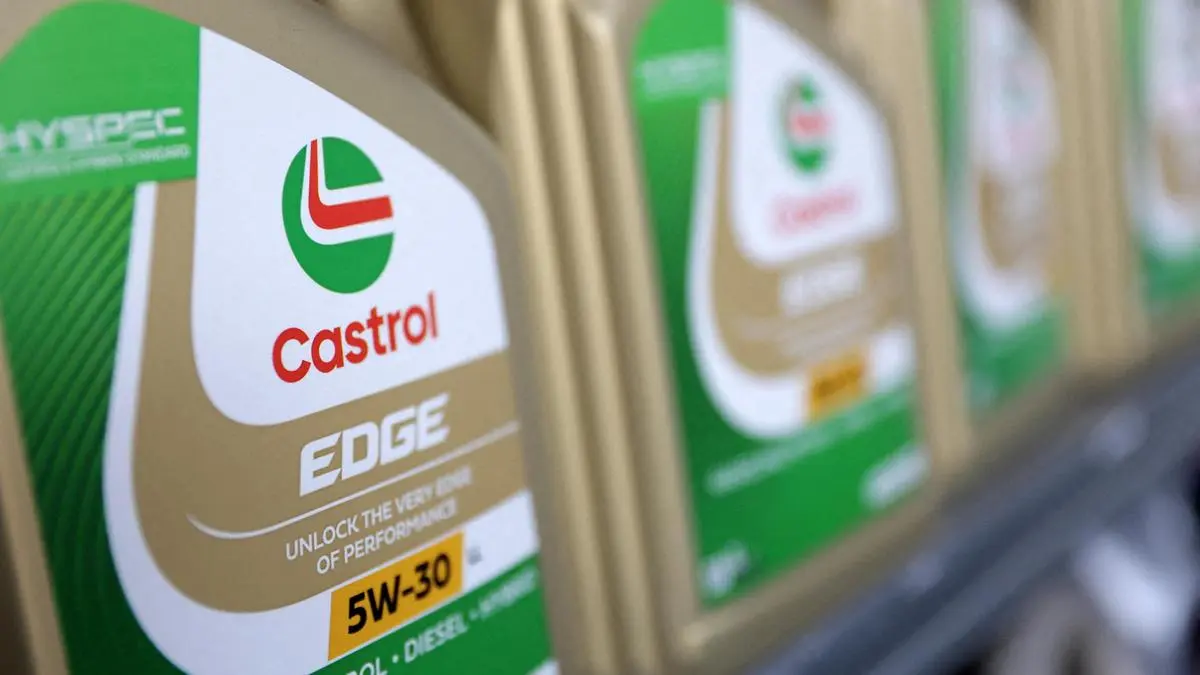
Castrol India reported a 3.7% increase in quarterly profit to ₹242 crore, a result underpinned by sustained demand across its rural distribution network and industrial product lines. The engine oil manufacturer successfully navigated a complex operating environment by leveraging volume growth in premium segments, which offset broader inflationary pressures on input costs.
Rural Penetration and Industrial Volume Gains
The company's ability to capture incremental growth in rural markets remains a primary driver of its recent performance. By expanding its reach into non-urban geographies, Castrol India has effectively insulated its top line from the volatility often seen in metropolitan automotive markets. This expansion strategy is complemented by a robust performance in the industrial segment, where demand for specialized lubricants remains steady as manufacturing activity continues to scale.
These gains suggest that the company is successfully transitioning its product mix toward higher-margin offerings. The focus on premium engine oils allows the firm to maintain pricing power even as competition intensifies in the mass-market lubricant space. The industrial segment, in particular, acts as a critical hedge against cyclical downturns in the passenger vehicle sector.
Operational Efficiency and Margin Management
Maintaining a 3.7% profit growth rate in the current fiscal climate requires disciplined cost management. Castrol India has focused on optimizing its supply chain to mitigate the impact of fluctuating base oil prices, which represent a significant portion of its total expenditure. The company's strategy of prioritizing high-value segments has allowed it to protect its bottom line while simultaneously investing in distribution infrastructure.
For investors monitoring the broader industrial landscape, this performance serves as a proxy for the health of the manufacturing and logistics sectors. When companies like Castrol report volume growth in industrial lubricants, it often signals that underlying industrial output remains consistent. This trend is a key indicator for those tracking stock market analysis to gauge the health of the broader economy.
AlphaScala Data and Future Markers
AlphaScala currently assigns ON Semiconductor Corporation (ON) an Alpha Score of 46/100, reflecting a mixed outlook within the technology sector. While ON operates in a different vertical than Castrol, both companies face the challenge of managing volume growth against shifting global demand patterns. Investors can view the ON stock page to compare how semiconductor-driven industrial demand differs from traditional lubricant-based industrial demand.
The next concrete marker for Castrol India will be the upcoming mid-year inventory adjustment report. This filing will provide clarity on whether the current surge in rural demand is a seasonal anomaly or a sustained shift in consumption patterns. Market participants should also monitor any changes in base oil procurement costs, as these will be the primary determinant of margin stability in the subsequent quarters.