Nearly two decades ago, Harvard law professor Cass R. Sunstein co-wrote "Nudge" with Nobel Prize winner Richard Thaler. The book made a simple case: if you design the easiest path to be the right one, people take it. The UK government liked the idea so much it created a Behavioral Insights Team in 2010.
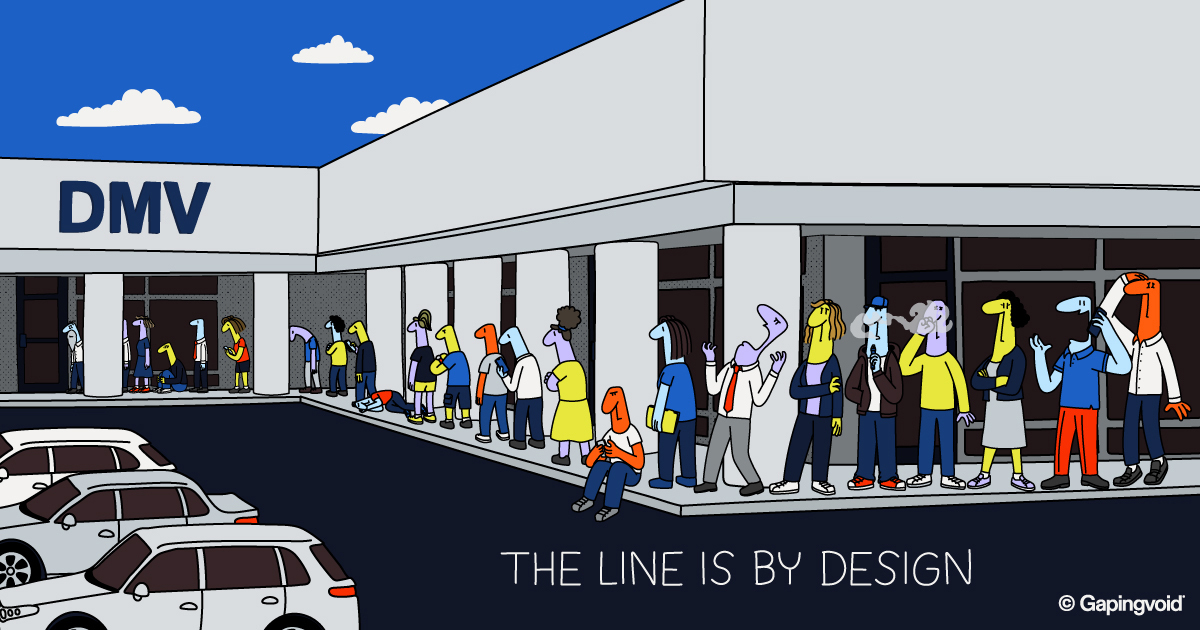
Sunstein's 2022 book "Sludge" looks at the opposite. Sludge is the friction companies build into processes they don't want users to finish. A subscription that takes one click to start but three phone calls to cancel is sludge. Insurance paperwork that tests your patience is sludge. The design does not work for the user. It works against them.
Eighty percent of US households shop on Amazon, Sunstein notes in his book. That number is not an accident. Amazon removes sludge relentlessly – one-click ordering, automatic checkout, easy returns. Every piece of friction costs a sale.
The same logic applies on Wall Street. A brokerage that makes account opening a multi‑day process with notarized forms is building sludge into its customer acquisition. A fund that requires a phone call to redeem shares is telling investors it does not want them to leave. The sludge is a signal. What a company makes hard is what it is afraid of, Sunstein argues.
Some financial firms have caught on. The rise of zero‑commission trading apps was largely a war on sludge. Frictionless onboarding, instant deposits, one‑tap trades. Those features did not appear by accident. They came from removing the sludge that traditional brokers had built for decades.
Sunstein's answer to sludge is to audit it. Find the friction, remove it, repeat. His advice applies well beyond consumer apps. Every handoff in a compliance process, every approval step in a trade settlement, every form in a margin call is a candidate for the audit.
The harder question is why the sludge exists. A company that requires an exit interview to close an account is admitting it cannot keep clients on its merits. Removing the form does not fix the fear that created it.
Sunstein does not offer a cure for that fear. He offers a diagnostic. Start with the friction. Ask what it reveals.