Stocks● Neutral
Cash Loan Over ₹20,000? Penalty Equals Full Amount
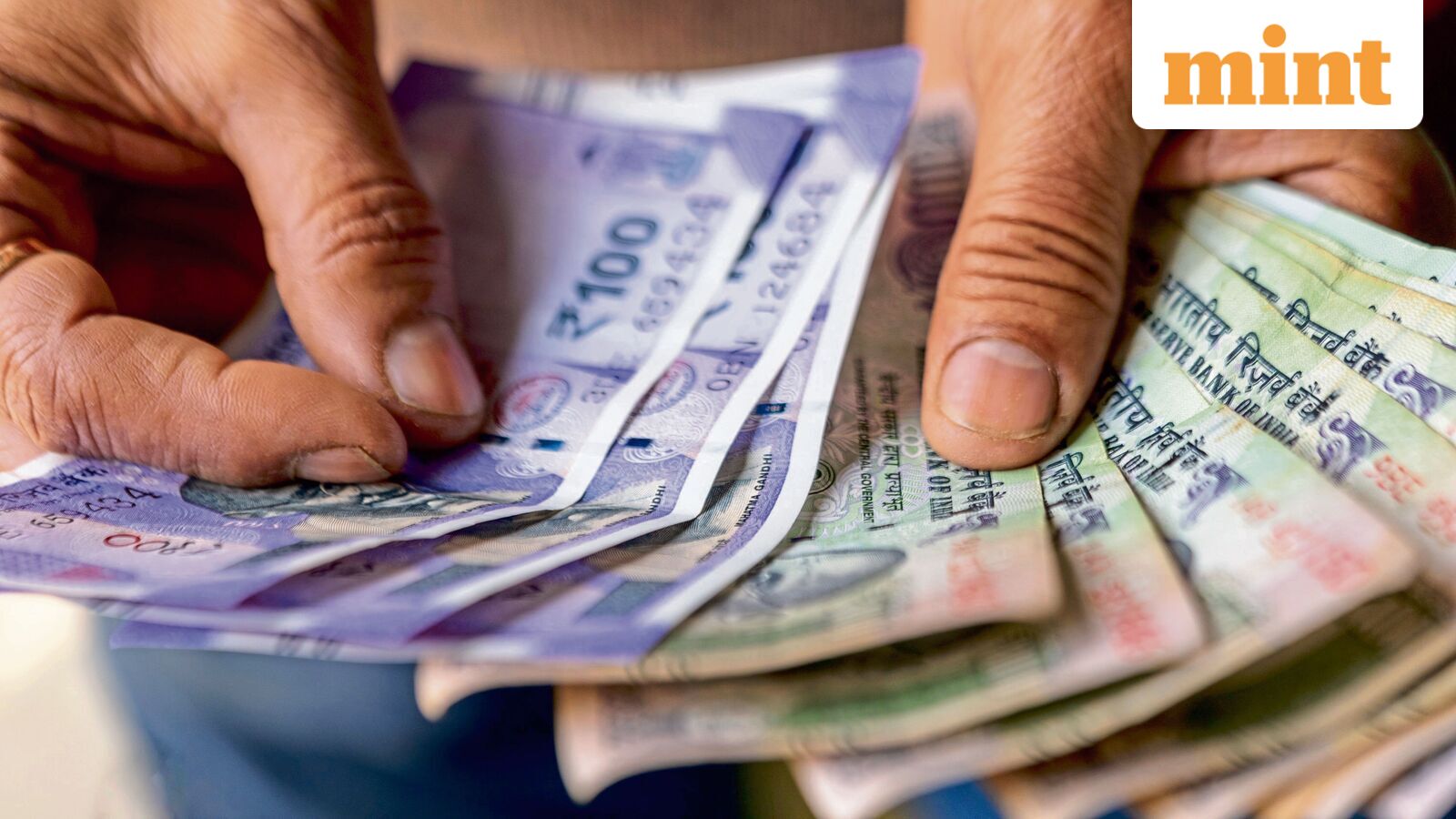
A cash loan of ₹20,000 or more from a friend triggers a penalty equal to the loan. Section 269SS and Section 269ST cover different cash receipts, know the limits and how to avoid the 100% penalty.
Continue with
A cash loan from a friend or relative above ₹20,000 carries a penalty equal to the loan itself. That is the consequence under Section 269SS of the Income Tax Act, and the rule applies whether the lender is family, a business associate, or anyone else.
Siddharth Maurya, Managing Director at Vibhavangal Anukulkara Pvt Ltd, said the law makes no personal exemptions. “Section 269SS, and the regulations in general, will apply, irrespective of the lender being a family member, friend, business associate, or any other person,” he told Mint. The penalty is levied under Section 271D on the borrower who accepts the cash.
Section 269SS: The ₹20,000 Loan-Deposit Ceiling
Section 269SS targets the receipt of loans or deposits in cash. A person cannot accept a loan or deposit of ₹20,000 or more in cash. The limit applies per loan or per deposit, not per day. Borrow ₹20,000 from one friend on Monday and ₹15,000 from another on Tuesday – only the first triggers the restriction.
Maurya clarified the scope. “The restriction on accepting loans or deposits is specific to cash. Even a single rupee above ₹20,000 in cash violates the section.” The penalty equals the amount accepted. A ₹1 lakh cash loan triggers a ₹1 lakh penalty.
Section 269ST: The ₹2 Lakh Daily Receipt Cap
Section 269ST is the broader provision. It covers any receipt of ₹2 lakh or more in cash in a single day, even if split across multiple transactions linked to the same event. “The provision could be triggered if a property seller, jeweler, consultant, trader, or any other recipient received ₹2 lakh or more in cash,” Maurya said.
| Provision | Transaction Type | Cash Limit | Penalty Section | Penalty Amount |
|---|---|---|---|---|
| Section 269SS | Loans and deposits only | ₹20,000 per loan | Section 271D | Equal to the cash amount |
| Section 269ST | All receipts (sales, gifts, fees) | ₹2 lakh per day (single or aggregate) | Section 271DA | Equal to the cash receipt |
The table shows the two key limits. A single cash transaction can violate both. A ₹2.5 lakh cash loan from a friend violates Section 269SS (loan above ₹20,000) and Section 269ST (receipt above ₹2 lakh in a day). Authorities can impose a penalty under either.
Who Faces the Penalty: Borrowers and Recipients
Borrowers carry the penalty under Section 271D when they accept a cash loan above ₹20,000. Recipients of cash for any other reason – a property seller taking a ₹2.5 lakh cash down payment, a jeweler accepting ₹3 lakh cash for a necklace, a consultant taking ₹2.2 lakh cash for services – face penalty under Section 271DA.