Stocks● Neutral
Carney uses icebreaker deal to jab at US fleet, trade fight
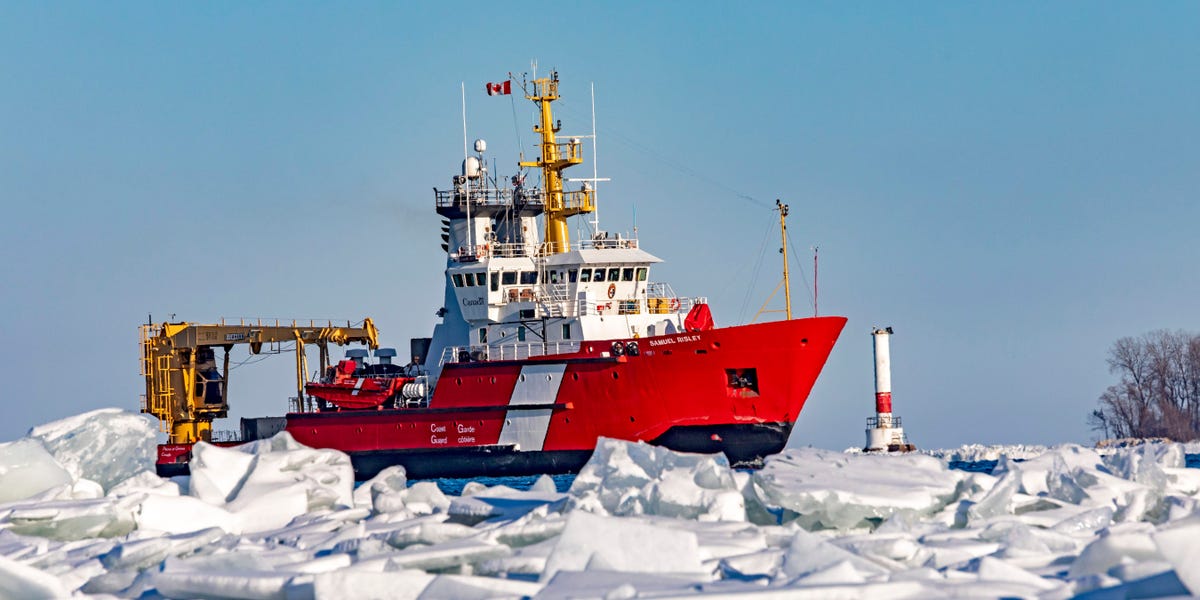
Canada's PM announced an $8.2 billion icebreaker contract and needled the US on its aging polar fleet as trade talks collapsed and new 50% tariffs took effect. The Arctic gap with Russia is widening.
Continue with
Canadian Prime Minister Mark Carney pointed to an unlikely point of leverage in the fractious US-Canada trade relationship on Monday: icebreakers.
Speaking in Quebec, Carney announced a C$11.3 billion ($8.2 billion) contract for shipbuilder Chantier Davie to build six new icebreakers for the Canadian Coast Guard. He framed the deal as a reminder of what the US needs from Canada at a moment when trade tensions are boiling over.
"You know, the United States has a handful, and I'm being generous, of icebreakers," Carney said.
The US Coast Guard operates three polar icebreakers. It has contracts for 11 new Arctic Security Cutters. Davie Defense, a sister company to Chantier Davie, is contracted to deliver five of those cutters, with two to be built in Finland and three in Texas. Washington is also working with Canada and Finland to build broader icebreaker expertise.
Melting Arctic ice is opening new shipping lanes and drawing more naval activity from Russia and China, which has the US and Canada racing to expand their polar fleets. The gap is significant compared with Russia's fleet, which officials and analysts say creates risks for surveillance and response in the region.