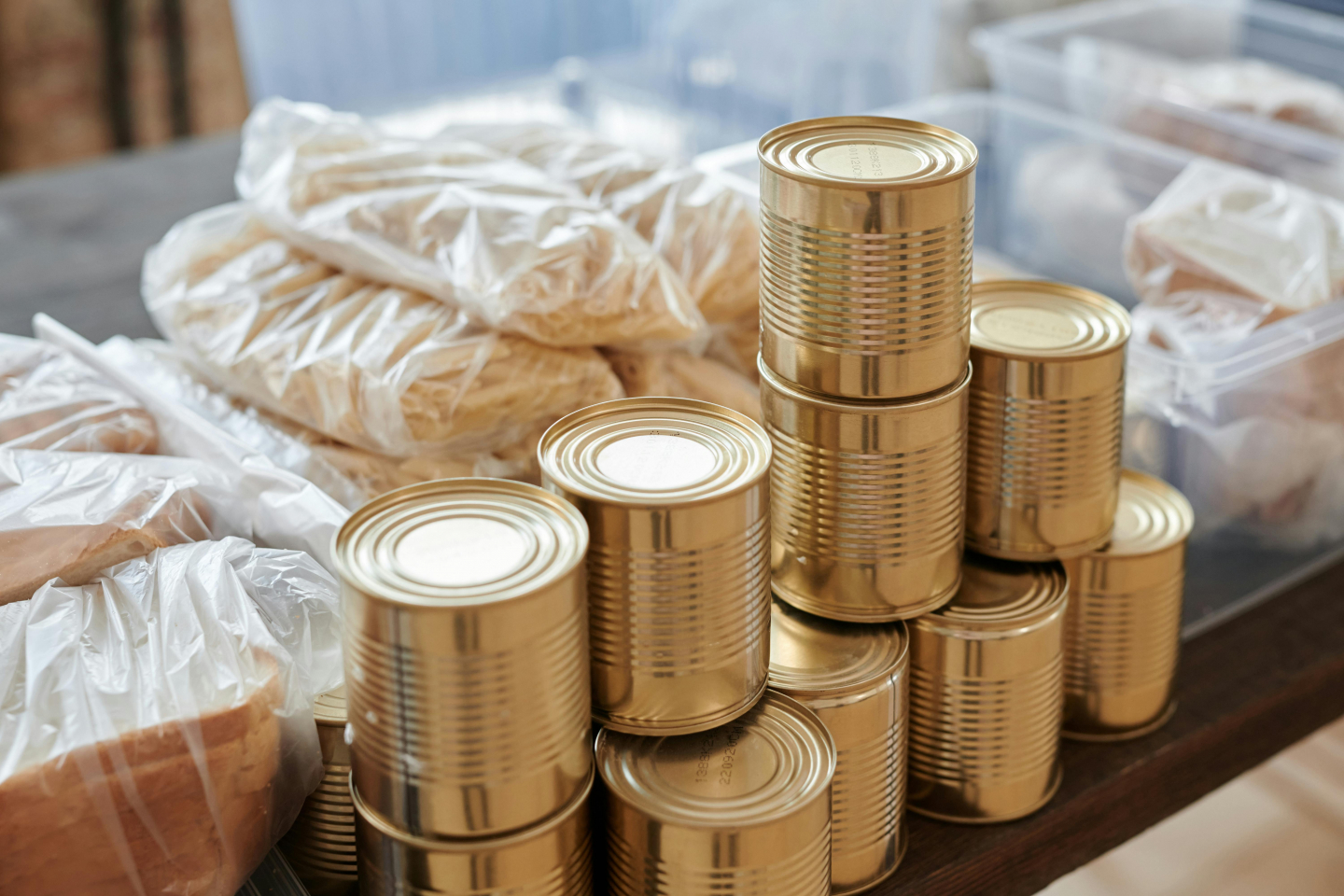
Nearly 6 billion food cans were imported in 2025, up 8% from 2024, as steel tariffs hit U.S. canners but not foreign-filled goods. Del Monte closed a California cannery; 420,000 peach trees were destroyed.
Nearly 6 billion food cans were imported into the U.S. in 2025, an 8% jump from the prior year, as the current tariff structure gives foreign-filled canned goods a price advantage over domestic producers, according to the Can Manufacturers Institute. The U.S. produced roughly 24 billion food cans in the same period, meaning imports now account for about one-fifth of the market.
The distortion stems from the Section 232 tariff on steel. The Trump administration raised the levy on tinplate steel – the material used for food cans – from 25% to 50% in June 2025. That added tens of millions of dollars a month in costs absorbed by the U.S. steel food can supply chain, often passed to consumers. Importers of filled food cans pay no Section 232 tariff at all.
The administration launched a process in May 2025 to apply Section 232 tariffs to "derivatives" – finished products that use the targeted steel – to prevent companies from importing more processed goods to bypass the levy. Empty food cans made the derivatives list. Filled food containers did not. The administration again declined to add them in its most recent proposed additions, which included steel containers filled with oxygen and propane but not food.
"Farm security is national security, and America First," the Can Manufacturers Institute said in a statement. "But the administration is failing to honor those principles with this continued choice."
The impact on U.S. food producers is already visible. Del Monte closed its cannery in Modesto, California earlier this year, citing foreign competition, according to local reports. The closure eliminated 600 full-time positions and 800-900 seasonal jobs. California peach farmers destroyed 420,000 trees in their orchards as a result. Red Gold, a fourth-generation family-owned processor, told industry media that large institutional customers are increasingly turning to canned tomatoes from Egypt and other countries.
About 78,000 people work in U.S. canneries, nearly as many as in all U.S. steel mills. U.S. steel can manufacturing directly supports more than 7,000 jobs across 23 states, CMI data show.
The quickest fix, according to industry groups, is for the Department of Commerce to use existing authority under an April 2, 2026 proclamation to add a targeted list of canned foods to the Section 232 derivatives list at the 50% tariff rate. The Coalition for Prosperous America and more than 30 U.S. food producers and can manufacturers have signed a letter urging the move, starting with canned corn, green beans, and tomatoes – items Americans both produce and import in significant volumes.
Another avenue is the Office of the U.S. Trade Representative, which could add tariffs on imported canned foods via the Section 301 excess capacity tariffs it plans to propose. The bipartisan American CANS Act, HR 914, would require imported filled food cans to more prominently label the country of origin. The administration could also support Buy American provisions in the House and Senate Farm Bills that apply to school lunch programs.
A RealClear poll from late last year found 98% of Trump voters believe it is important that the U.S. grows and produces its own food, including canned goods, rather than relying on foreign imports.
Prepared with AlphaScala editorial tooling from the source reporting linked above. Indexable analysis may include a cited Alpha Score value. Publishing checks screen each story before release. Educational coverage, not personalized advice.