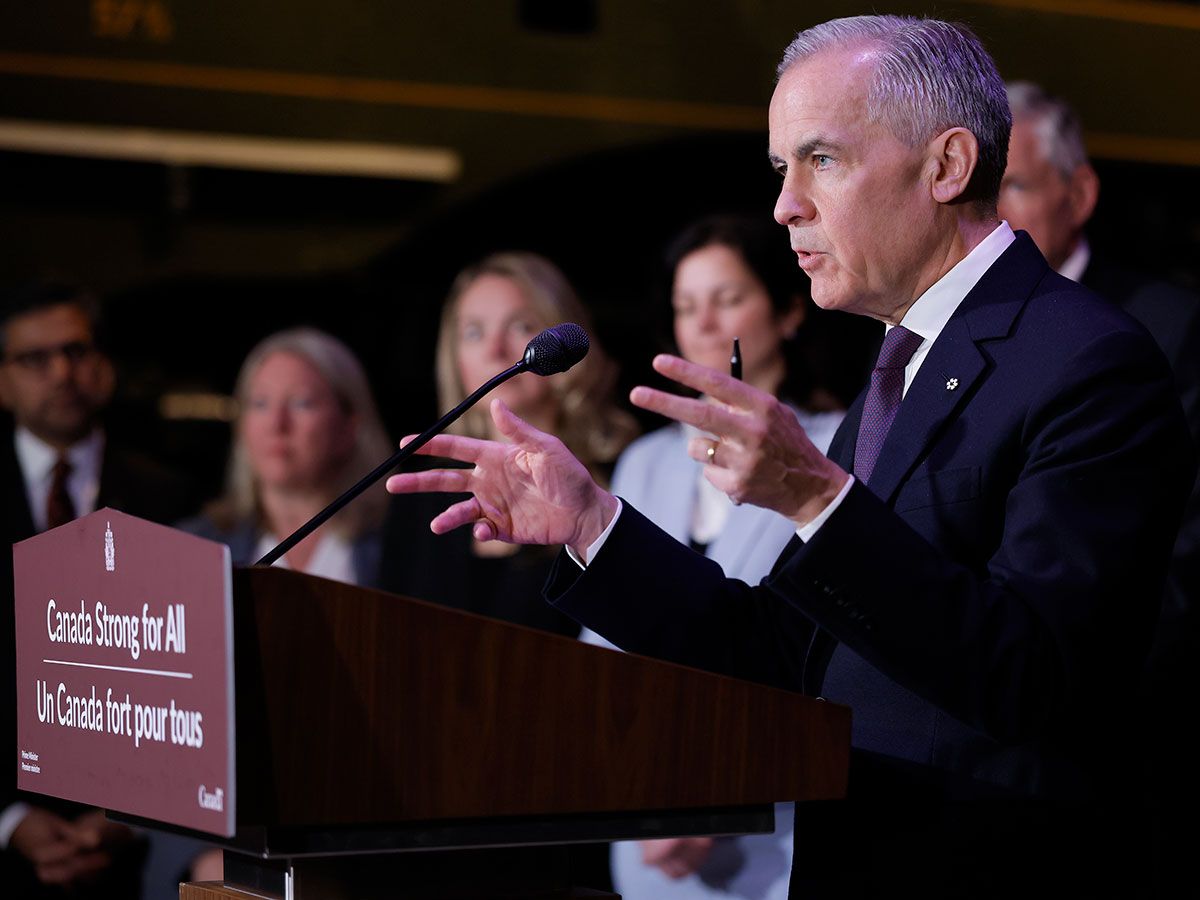
The Canadian government has officially launched a $25 billion sovereign wealth fund designed to facilitate public participation in large-scale nation-building projects. This initiative marks a shift in how the state manages capital allocation for domestic infrastructure, moving away from traditional grant-based funding toward a model that seeks direct financial returns for the public. By positioning the fund as a vehicle for profit-sharing, the government aims to align the interests of the state with the long-term viability of major industrial and utility developments.
Structural Impact on Infrastructure Financing
The creation of this fund alters the landscape for domestic infrastructure development by introducing a state-backed entity capable of deploying significant capital into projects that might otherwise rely solely on private equity or traditional debt markets. This move is intended to de-risk complex projects while ensuring that the upside of successful infrastructure builds is captured by the national balance sheet. For domestic firms operating in the energy, transportation, and utility sectors, the fund represents a new potential partner that changes the cost of capital and the timeline for project approval.
This development connects to broader discussions regarding Canadian Regulatory Friction Outweighs Tariff Risks for Domestic Industry. As the fund begins to evaluate its initial portfolio, the primary focus will likely be on assets that provide stable, long-term cash flows. The integration of state capital into these projects may also serve as a signal to international investors, potentially stabilizing the risk profile of Canadian infrastructure in a volatile global market.
Valuation and AlphaScala Data
The introduction of a sovereign vehicle of this scale creates a new benchmark for domestic asset valuation. While the fund is focused on infrastructure, the broader technology sector remains a point of comparison for capital efficiency. Within the AlphaScala framework, technology firms continue to navigate shifting market conditions:
- ServiceNow Inc. (NOW stock page) holds an Alpha Score of 52/100, currently labeled as Mixed.
- Shopify Inc. (SHOP stock page) holds an Alpha Score of 47/100, currently labeled as Mixed.
These scores reflect the current sentiment within the technology sector, which remains distinct from the long-horizon, asset-heavy nature of the infrastructure projects targeted by the new sovereign fund. Investors should monitor how the fund interacts with existing public-private partnerships, as the entry of a $25 billion player will inevitably influence the pricing of future project tenders.
The Path to Deployment
The next concrete marker for this initiative is the disclosure of the fund's specific investment mandate and the criteria for project selection. Market participants should look for the inaugural list of projects slated for funding, as this will clarify whether the government intends to prioritize green energy, traditional transportation networks, or digital infrastructure. The speed at which the fund deploys its initial capital will serve as a primary indicator of its operational independence and its ability to influence the broader stock market analysis within the region. Future filings regarding the fund's governance structure and reporting requirements will provide the necessary transparency to assess its impact on domestic equity valuations.