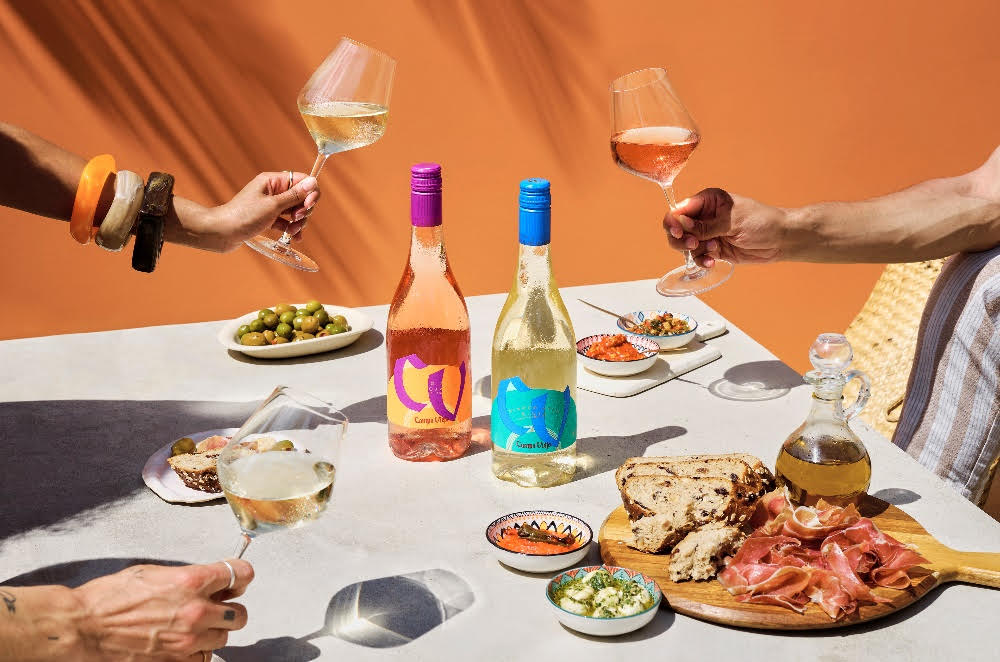
The world's largest Rioja brand is betting that lighter wines can pull new drinkers into a category that has long been defined by bold reds. Campo Viejo – the number one Rioja brand globally – recently introduced a Contemporary duo of Blanco and Rosé wines, a deliberate pivot toward occasions and palates that traditional Rioja rarely captures.
For investors tracking consumer staples and wine companies, the launch is a real-time test of whether a legacy brand can stretch its identity without alienating its core buyer. If Campo Viejo succeeds, it could change the growth trajectory not just for itself but for the broader Rioja Denominación de Origen Calificada (DOCa) , which has seen volume pressure as younger drinkers gravitate toward sparkling, ready-to-drink, and lower-alcohol options.
Why the Product Line Matters for the Wine Industry
The move from Campo Viejo is not a minor SKU extension. The brand is owned by Pernod Ricard, one of the world's largest spirits and wine groups, making this a strategic decision with P&L implications for a multinational. Adding white and rosé to a brand built on Crianza, Reserva, and Gran Reserva reds changes production sourcing, inventory allocation, retail shelf placement, and marketing spend.
What this means: The launch acknowledges that the Rioja category has a distribution bottleneck. Traditional Rioja retailers – wine shops, restaurants, and supermarkets – stock reds heavily. By offering a Rioja Blanco and Rosé, Campo Viejo can expand the brand's presence in sections of the store and menus where it previously had no visibility. That could lift total brand sales without cannibalizing red volumes substantially, because the buyer demographics overlap only partially.
The Consumer Shift Behind the Decision
Wine consumption data across major markets – the U.S., UK, and Germany – shows a steady move toward lower-tannin, lighter-bodied wines, particularly among consumers aged 25–40. The same trend has lifted Prosecco, rosé from Provence, and Sauvignon Blanc from Marlborough. Rioja's traditional appeal – oak-aged reds with high structure – sits at the opposite end of that spectrum.
Campo Viejo's Blanco and Rosé are designed to intercept that shift. They are made from Viura and Garnacha grapes respectively, and the Blanco sees no oak, emphasizing freshness rather than barrel character. This is a break from historical Rioja Blanco production, which often included oxidative styles.
Risk to watch: Price positioning. Campo Viejo's reds sell at a strong value proposition for quality. If the white and rosé are priced too close to Provençal rosé or Albariño, they may struggle on value-perception. If priced too low, they risk cheapening the brand's equity.
The Competitive Landscape
The new releases face direct competition from established players. In rosé, the benchmark is Whispering Angel and other Côtes de Provence brands that own the premium end. In white wine from Spain, Albariño from Rías Baixas and Verdejo from Rueda have strong consumer recognition for freshness. Campo Viejo must convince distributors and consumers that a Rioja label is credible for these styles.
Practical rule: A brand extension is only as strong as the first case a retailer opens. If the initial shelf turn is slow, distribution will contract quickly. The next two to three months of sell-through data in key chains will determine whether this is a permanent line addition or a seasonal test.
Bottom Line for Investors
For Pernod Ricard, the Campo Viejo Contemporary duo represents a low-cost option to test white-space demand. The production investment is modest – the grapes and winemaking are already established in the region. The real cost is in marketing spend and trade marketing support. If the launch lifts Campo Viejo's total U.S. sales by even 2-3% , it would validate the strategy and likely trigger rival Rioja producers to follow, reshaping the category's product mix.
What confirms the setup: Watch for distribution gains in major retail chains (grocery, mass-market) and on-premise listings from accounts that previously did not stock Rioja. Also track repeat purchase rates from first-time buyers.
What weakens it: Low shelf placement, slow restock orders, or price discounting within six months of launch would signal consumer resistance to the concept.
The next concrete marker is the first quarter of full availability after the initial sell-in period – typically 90 days from February 2025 launches. That data will begin to appear in Nielsen or IRI scans by late spring.