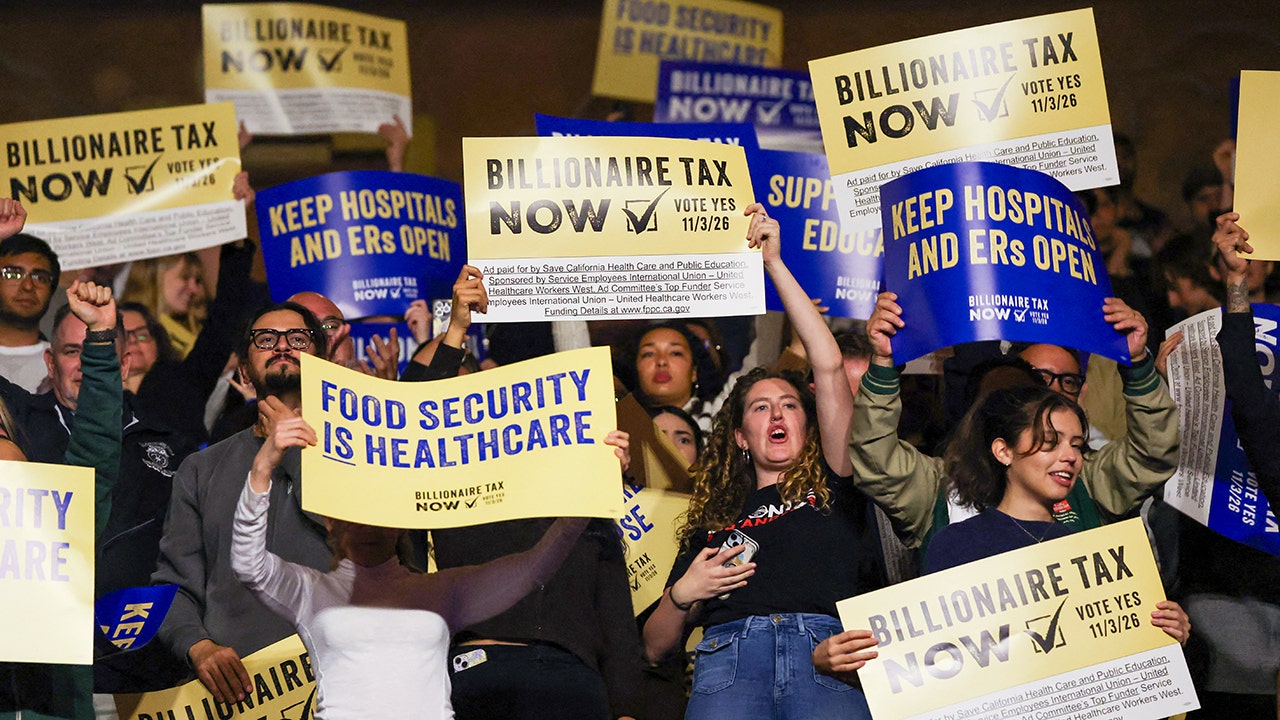
California voters will decide in November whether to impose a one-time 5% tax on residents whose net worth exceeded $1 billion as of Jan. 1, 2026. Supporters of the measure, backed by the Service Employees International Union-United Healthcare Workers West, say it could raise roughly $100 billion. They plan to direct 90% of the revenue toward health care programs and the remaining 10% to education and food assistance. The proposal, branded the "Billionaire Tax," qualified for the ballot this week.
The tax applies to individuals living in California on Jan. 1, 2026, regardless of where they relocate afterward. The measure includes several design features aimed at addressing payment concerns. Eligible taxpayers can spread the liability over five annual installments. Individuals with largely illiquid assets can qualify for a deferral mechanism. Anti-avoidance provisions are intended to block asset shifting or ownership restructuring.
Gov. Gavin Newsom opposes the measure. He called it a short-term solution that could push billionaires to leave the state, further destabilizing an already volatile tax base. Democratic gubernatorial candidate Xavier Becerra and Republican candidate Steve Hilton also voiced opposition. A coalition of health care, education and housing groups warned the proposal would encourage high-income residents to relocate, making California's finances more unpredictable.
The nonpartisan Legislative Analyst's Office projects the tax would generate tens of billions of dollars in its first few years. The office also estimates California's personal income tax collections would later decline by hundreds of millions of dollars annually as wealthy residents adjust their behavior. The state's top 1% of taxpayers already account for nearly half of all personal income tax revenue.
The reliance on high earners creates a structural risk. If even a fraction of the state's billionaires move assets or relocate, the impact on state revenues could be substantial. Opponents argue many Silicon Valley billionaires have already moved assets or threatened to leave California to avoid future tax increases. The SEIU-UHW previously offered to reduce the tax rate to 2% to win Newsom's support. According to CBS News, the governor's office said the lower rate did not change his opposition.
For investors, the ballot measure introduces a layer of uncertainty for California-exposed assets. Municipal bondholders may face heightened fiscal risk if the state's revenue base narrows. Real estate markets in high-net-worth areas could see pressure if wealthy residents accelerate departure plans. Technology companies with concentrated founder wealth may also face governance distractions as insiders manage personal tax exposure.
Traders watching California-specific equities and munis should track ballot polling through the summer. If the measure appears likely to pass, expect increased hedging activity in California general obligation bonds and real estate investment trusts with heavy California exposure. The November election will test whether voters see the tax as a necessary fix for health care funding or a risk to the state's economic base.