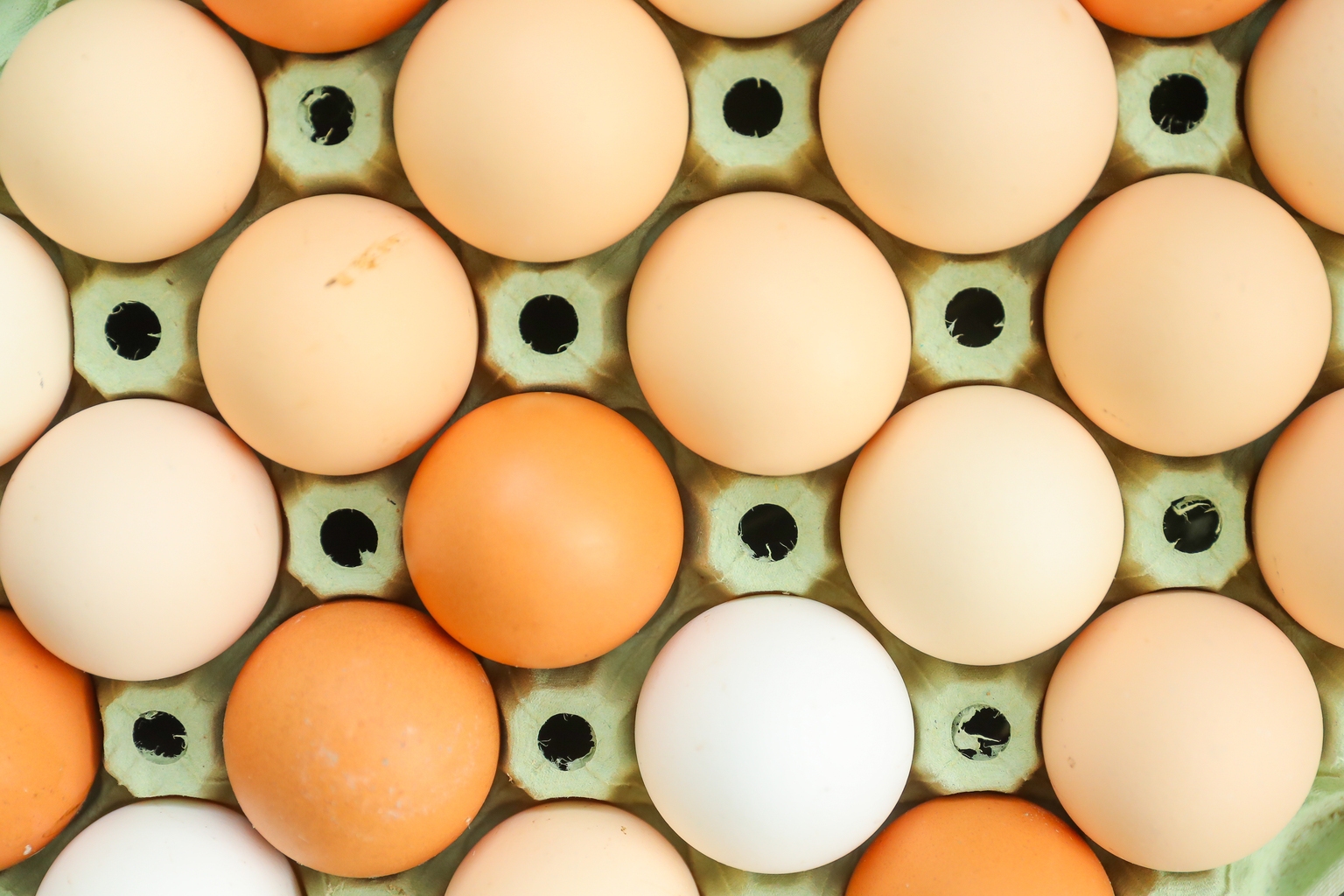
Cal-Maine Foods (CALM) is currently navigating a period of significant margin compression driven by a cyclical decline in egg prices. As the dominant player in the U.S. shell egg market, the company is uniquely exposed to the volatility of commodity pricing, which dictates its top-line performance and operational profitability. The current environment represents a classic bottom-of-cycle scenario where lower market prices for eggs directly erode the company's ability to maintain historical margin levels.
Commodity Price Sensitivity and Margin Erosion
The fundamental challenge for Cal-Maine is the lack of pricing power during periods of oversupply or suppressed demand in the broader egg market. Because the company operates as a high-volume producer, its financial health is tethered to the prevailing market rate for eggs. When these prices drop, the company faces a direct hit to its gross margins, as production costs remain relatively sticky due to feed and labor requirements. This creates a mechanical squeeze where the spread between the cost of goods sold and the realized market price narrows significantly.
Investors often view this as a temporary operational hurdle, but the duration of the cycle is the primary risk factor. In previous downturns, the recovery period has been dictated by supply-side adjustments, such as flock reductions or industry-wide consolidation. Without a clear catalyst for a price rebound, the company must rely on its balance sheet strength to weather the period of suppressed cash flow. The current market pricing for CALM reflects this uncertainty, as participants weigh the potential for a cyclical bottom against the risk of prolonged margin weakness.
Operational Positioning and Cycle Timing
For those evaluating the stock, the focus must remain on the relationship between feed costs and egg market realizations. While the company has historically managed these cycles through scale and operational efficiency, the current downturn is testing the limits of those advantages. The risk is not necessarily a structural failure of the business model, but rather a sustained period of low profitability that could lead to multiple compression. If egg prices remain at these depressed levels, the company's ability to generate consistent earnings per share will remain under pressure.
Market participants should monitor the next set of industry data for signs of a supply contraction. A reduction in the national flock size or an uptick in wholesale egg prices would serve as a primary signal that the cycle is beginning to turn. Conversely, if prices remain stagnant, the company may face further downward revisions to its earnings outlook. The decision to initiate a position in this environment requires a high degree of confidence in the timing of the cycle, as the stock is likely to remain volatile until a clear trend of price improvement emerges. For broader context on how companies navigate such cyclical shifts, see market analysis.
Future performance will depend on the company's ability to maintain its market share while waiting for the commodity cycle to normalize. The next concrete marker for investors will be the upcoming quarterly report, which will provide insight into whether the current margin compression is stabilizing or deepening.