Stocks● Neutral
CAG says BMRCL lost ₹104 crore on Nagasandra metro land lease
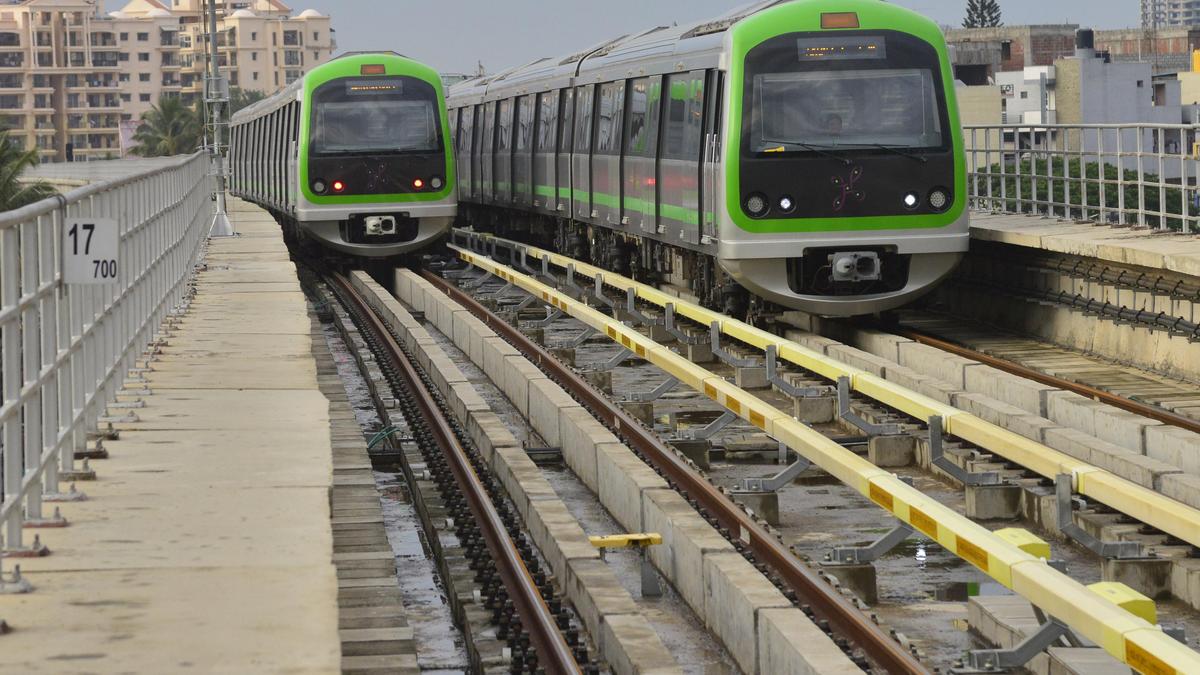
CAG audit finds BMRCL lost ₹104 crore by setting a low premium on a 14-acre Nagasandra lease. Vacant station space cost another ₹39 crore.
Continue with
The Bengaluru Metro Rail Corporation Limited missed out on ₹103.77 crore in potential revenue by setting the minimum development premium too low on a 14-acre land lease near the Nagasandra station, the Comptroller and Auditor General of India said in a performance audit of the Namma Metro Phase 1 and Phase 2 projects.
A consultant first assessed the development premium at ₹320 crore in March 2015. That estimate was later revised. The minimum premium was fixed at ₹240 crore. BMRCL eventually leased the land for ₹251.01 crore, with an annual charge of ₹2.51 crore and a 5% escalation from December 2023.
Based on the guidance value and valuation criteria in effect at the time, the property could have been worth ₹354.78 crore, the CAG said. The auditor calculated the revenue foregone at ₹103.77 crore.
The Nagasandra case was part of a broader concern. Phase 2 financial viability calculations had projected ₹21,282 crore in property-development income on 55 hectares between 2016-17 and 2041-42. As of March 2023, those 55 hectares had not been acquired, the audit found.
BMRCL developed 2.46 lakh square feet of built-up space at metro stations for commercial use. Only 0.23 lakh square feet was actually leased. The remaining 2.23 lakh square feet sat vacant for years, costing an estimated ₹38.53 crore in lost lease revenue during 2019-22, the CAG said. The corporation had no Asset Management Policy to guide monetisation of those spaces.