Back to Markets
Stocks● Neutral

BYD Regulatory Scrutiny Intensifies Over Hungary Operations

April 28, 2026 at 01:41 AMBy AlphaScalaEditorial standardsSource: cnbc.com
BYD Regulatory Scrutiny Intensifies Over Hungary Operations
ONASNOWPATHBYDDF

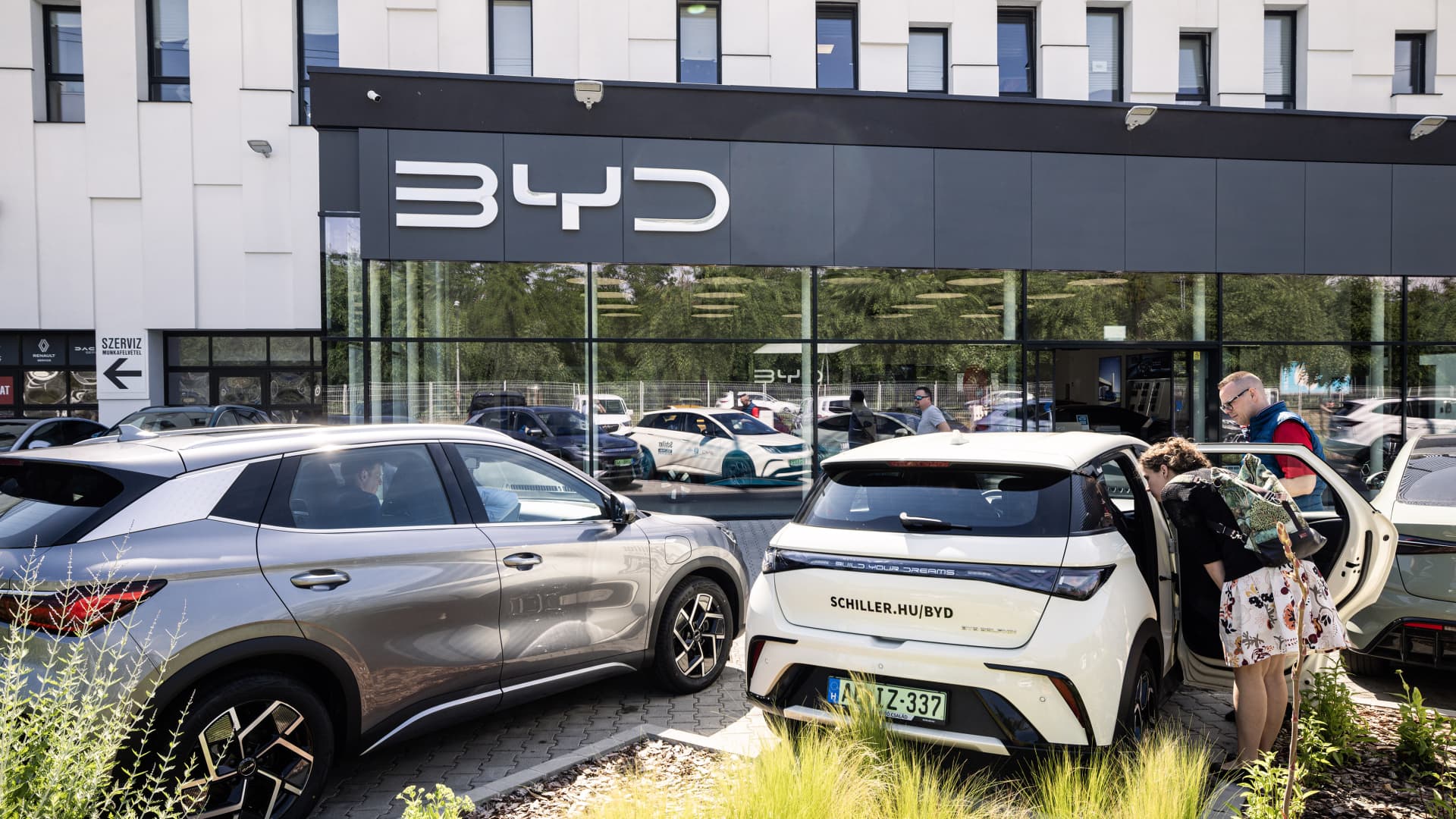
BYD faces increased scrutiny from EU lawmakers following allegations of labor rights violations at its Hungary plant, threatening its European localization strategy.

AlphaScala Research Snapshot
Live stock context for companies directly referenced in this story
Alpha Score
45
Weak

Alpha Score of 45 reflects weak overall profile with strong momentum, poor value, poor quality, weak sentiment.

Consumer Cyclical
Alpha Score
47
Weak

Alpha Score of 47 reflects weak overall profile with moderate momentum, poor value, moderate quality. Based on 3 of 4 signals — score is capped at 90 until remaining data ingests.

Technology
Alpha Score
52
Weak

Alpha Score of 52 reflects moderate overall profile with poor momentum, strong value, strong quality, weak sentiment.

Technology
Alpha Score
57
Moderate

Alpha Score of 57 reflects moderate overall profile with poor momentum, strong value, strong quality, moderate sentiment.

This panel uses AlphaScala-native stock data, separate from the source wire linked above.

European lawmakers have initiated a formal inquiry into BYD following a watchdog report detailing allegations of labor rights violations at the company's manufacturing facility in Hungary. This development marks a significant escalation in the regulatory pressure facing Chinese electric vehicle manufacturers as they attempt to localize production within the European Union to circumvent trade barriers.

Regulatory Friction and Manufacturing Localization

The allegations center on working conditions and labor practices, which directly challenge the narrative of BYD as a seamless entrant into the European industrial landscape. By establishing a footprint in Hungary, the company aimed to integrate itself into the European supply chain and mitigate the impact of potential import tariffs. The emergence of these labor concerns complicates this strategy, as EU regulators are increasingly sensitive to the social and ethical standards governing foreign-owned operations within the bloc.

If the investigation confirms systemic failures in labor management, the company faces more than just reputational damage. The EU has demonstrated a willingness to tie market access to adherence to strict environmental and social governance standards. For a company that relies on rapid scaling to maintain its competitive edge against established incumbents like those analyzed in broader stock market analysis, this scrutiny could delay the operational ramp-up of its European production capacity.

Strategic Risks to European Market Expansion

BYD has invested heavily in its Hungarian plant to serve as a primary hub for its regional distribution. The current investigation forces a pivot in the company's communication and operational strategy. Management must now address these allegations while simultaneously navigating a complex geopolitical environment where trade protectionism is on the rise. Any disruption to the production timeline at this facility would hinder the company's ability to compete on price and availability against European domestic manufacturers.

Investors should monitor the following areas as the investigation progresses:

  • The potential for formal EU sanctions or fines related to labor compliance.
  • The impact of the investigation on the company's ability to secure further regional subsidies or local government support.
  • The degree to which these allegations influence consumer perception in the European market.

This situation highlights the fragility of the localization model for non-European firms. While the company has successfully scaled in its home market, the regulatory environment in the EU demands a higher level of transparency and compliance oversight. The next concrete marker for this narrative will be the publication of the findings from the EU parliamentary committee, which will dictate whether the company faces restrictive measures or a path toward remediation.

As the company navigates these challenges, it remains a focal point for those tracking the global transition to electric vehicles. The outcome of this inquiry will likely serve as a benchmark for how other international manufacturers are treated when expanding their footprint into the European Union. For those interested in broader sector dynamics, comparing these operational hurdles to the strategic shifts seen in other global firms, such as the LendingClub Pivot to Happen Bank Signals Strategic Shift in Consumer Credit, provides a clearer picture of how regulatory environments dictate long-term success.

How this story was producedLast reviewed Apr 28, 2026

AI-drafted from named sources and checked against AlphaScala publishing rules before release. Direct quotes must match source text, low-information tables are removed, and thinner or higher-risk stories can be held for manual review.

Editorial Policy·Report a correction·Risk Disclaimer