Stocks● Neutral
Businessline editorial pushes back on US transhipment scam report
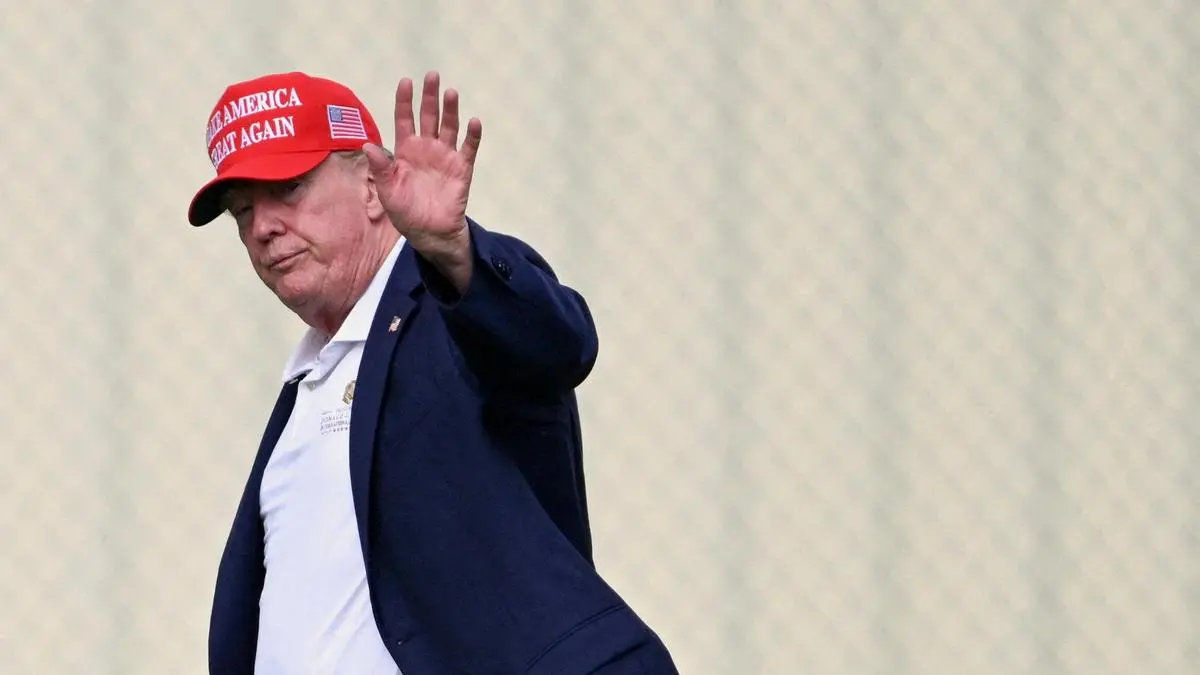
The Hindu Businessline editorial board criticized the report for lacking evidence and argued Trump's tariff policies have failed to revive U.S. manufacturing.
Continue with
A U.S. report accusing India of helping reroute Chinese goods to evade tariffs has drawn a sharp response from The Hindu Businessline editorial board. The report, called 'The Great Transhipment Scam', names India and several other nations. The editorial said the document lacks evidence and relies on faulty logic. It placed the report in the context of Trump's tariff policies, arguing those policies have failed to revive U.S. manufacturing.
The editorial said the risk for Indian exporters is real. If Washington acts on the allegations, it could trigger new trade restrictions or heightened scrutiny of Indian shipments. The board noted that the report appears designed to justify further protectionist measures rather than address genuine transshipment.
Separately, India Inc posted strong Q1 numbers. The editorial board highlighted the resilience of corporate India despite the Iran war and El Nino's impact on the economy. Sectors that performed well included information technology and pharmaceuticals. Those that struggled included metal producers exposed to global demand weakness and auto firms facing rural demand pressure. Through the first quarter, the economy has weathered global storms, the editorial said.
A parliamentary panel report on health and hospitals also drew editorial attention. The report pointed to a lack of regulation in private healthcare, which serves 60% of inpatients and 70% of outpatients. Despite that, corporate hospitals have done well financially, the editorial noted. The board welcomed several panel suggestions, including raising government healthcare spending to 5% of GDP.