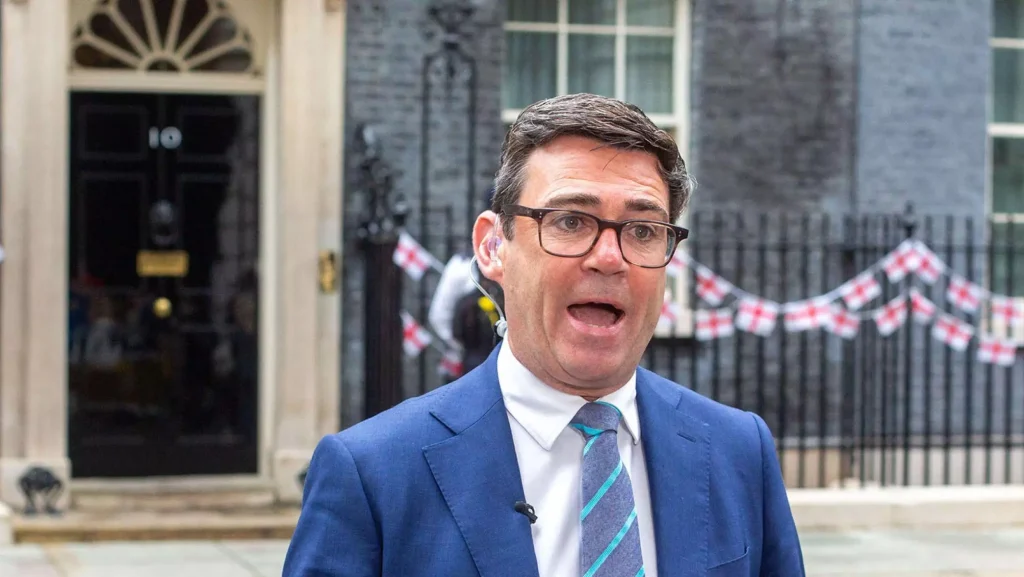
Andy Burnham's plan to lift 140,000 small shops out of business rates would cost £880m a year, hitting large retailers. The autumn budget will decide who pays.
Andy Burnham's proposal to overhaul business rates in favour of small high street shops would cost roughly £880m a year, according to analysis from global tax firm Ryan. The plan would lift more than 140,000 additional small premises out of business rates entirely by raising the threshold for full relief.
The cost estimate lands as UK retail stocks already face pressure from weak consumer spending and rising operating costs. For investors, the plan introduces a new variable: who pays for the shortfall.
The straightforward case is that small shops win. Larger retailers with big property portfolios lose. The £880m hole has to be filled somewhere. The most likely source is higher rates on larger properties. That would hit companies with extensive high street footprints.
The more detailed case depends on three things: how the government chooses to recover the cost, the lease structures of individual retailers, and whether the plan becomes law in its current form.
Ryan's analysis models the cost based on current rateable values and the proposed threshold increase. It does not specify a funding mechanism. That leaves room for negotiation. The Treasury could absorb part of the cost through a central grant. It could shift the burden entirely onto larger ratepayers. Each path produces a different outcome for retail stocks.
Retailers with a high proportion of small-format stores, such as convenience chains or discounters, could actually benefit if their premises fall under the new threshold. Companies that operate many small shops might see their rate bills fall. That would improve margins in a sector where rent and rates eat up a large share of revenue.
On the other side, department stores and large-format retailers face the biggest risk. A 10% increase in rates on a flagship store could add hundreds of thousands of pounds to annual costs. For a retailer already restructuring its store estate, that could accelerate the shift to smaller, more efficient locations.
The plan also has implications for property investors. Retail landlords could see tenant demand shift further toward smaller units. Large spaces become harder to let. That would put downward pressure on rents for big-box stores, compounding the existing trend toward online retail.
Burnham's proposal is still a proposal. It has not been adopted by the government. The cost estimate is based on one set of assumptions. The autumn budget is the next marker. The Treasury will set its own business rates policy then. If the government signals support for a similar threshold increase, the market will start pricing in the winners and losers.
For investors, the property mix matters. Retailers with a high density of small stores and low exposure to large flagship locations are better positioned. Those with big high street footprints and inflexible leases face the most downside.
The analysis was commissioned by Burnham's office and published ahead of the mayoral election. It is not government policy. The numbers are large enough to move the needle for UK retail stocks.
Prepared with AlphaScala research tooling and grounded in primary market data: live prices, fundamentals, SEC filings, hedge-fund holdings, and insider activity. Each story is checked against AlphaScala publishing rules before release. Educational coverage, not personalized advice.