Burger King Sales Jump 8.5% as Whopper Revamp Outpaces McDonald's
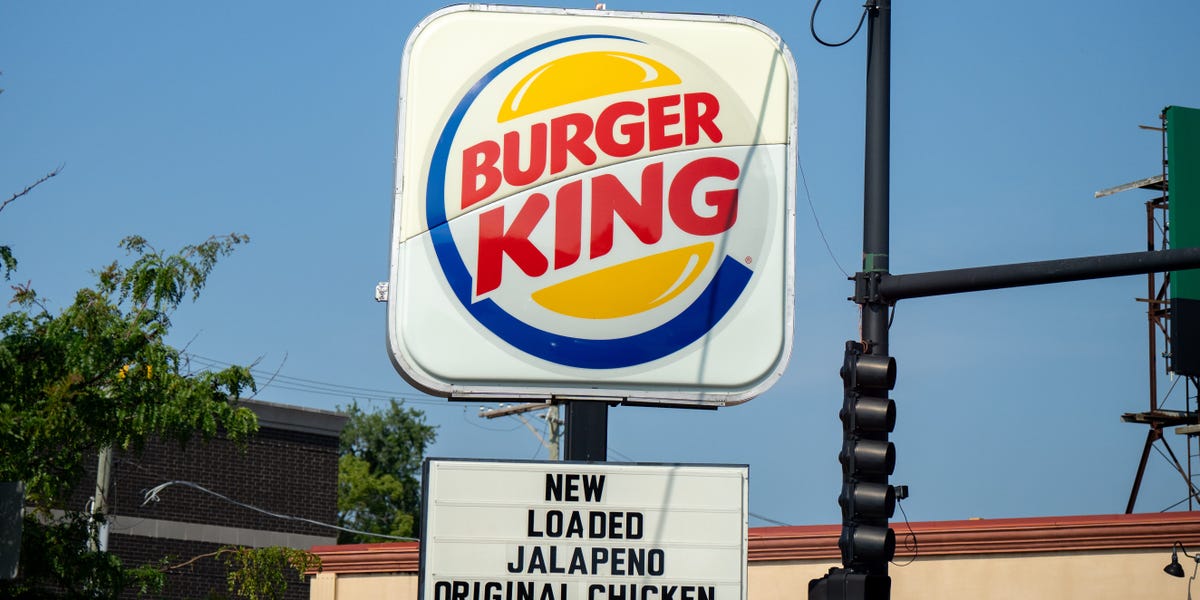
Burger King's US same-store sales rose 8.5% in Q2, while McDonald's grew just 0.8%. The Whopper revamp and value perception shift threaten MCD's dominance. Alpha Score 49.
Burger King's U.S. same-store sales rose 8.5% in the second quarter, while McDonald's grew just 0.8% and Wendy's fell 7%. The gap shows how fast-food competition has reignited as rising prices force customers to rethink their choices.
The shift started when the dollar menu became the three-dollar menu. McDonald's, with roughly twice the U.S. footprint of Burger King or Wendy's, had long been the most convenient option. Convenience no longer outweighs cost. Customers told Business Insider's reader survey that McDonald's no longer feels like a value. They are open to cheaper alternatives – gas stations and convenience stores like Wawa – or trading up to casual sit-down chains like Chili's, which has marketed a Quarter Pounder dupe.
"The fact that you even put Chili's as a rival to McDonald's – we would've never said that before," Mike Perry, founder of restaurant agency Tavern, told BI.
Burger King's turnaround began earlier this year with a new ad campaign. The company acknowledged it had fallen short of expectations, even firing its mascot, the King. At the same time, it revamped the Whopper. The burger now comes in a box instead of a wrapper, preventing the smashing that happens in foil. Whopper sales are up 20% compared with the old version, early data show.
The results put pressure on McDonald's to defend its value positioning. The company's same-store growth of 0.8% in Q2 trails the broader industry average, and the gap to Burger King has widened sharply. McDonald's has responded with limited-time value offers, but analysts say the brand's core perception as a cheap meal has eroded.
McDonald's (MCD) carries an Alpha Score of 49 out of 100, labeled Mixed, reflecting the competitive headwinds. The stock page on AlphaScala provides detailed metrics. The broader stock market analysis shows consumer discretionary names facing margin pressure as input costs rise.
For now, the burger wars are producing clear winners and losers. Burger King's parent company, Restaurant Brands International, has not released full Q2 results, but the U.S. same-store number signals a sustained shift. Wendy's decline of 7% suggests it lacks the scale or the marketing firepower to compete in the current environment.
The question for McDonald's is whether its size becomes a liability. With 13,000 U.S. locations, a price cut across the system would be expensive. A targeted value menu might work, but the chain has already tried that with limited success.
Perry said the industry is in a period of "creative destruction" where old assumptions about brand loyalty no longer hold. "The customer is voting with their wallet, and they're not afraid to go somewhere else," he said.
Burger King's Whopper box may seem like a small change, but it addresses a real complaint. The company is betting that product quality and honest marketing will win back customers who had written it off. Early sales data suggests the bet is paying off.
For McDonald's, the path forward is less clear. The company reports full Q2 earnings on July 29. Investors will be watching same-store traffic numbers and any commentary on value strategy. The burger wars are not over, but the crown is up for grabs.
Drafted by a large language model from the source reporting linked above, then screened by automated publishing checks. It is not read by a journalist before publication. Some articles cite our Alpha Score. Verify prices and figures against the original source. Educational coverage, not personalized advice.