Bunker Hill Mining Hits First Stope Blast, Eyes Q4 Output
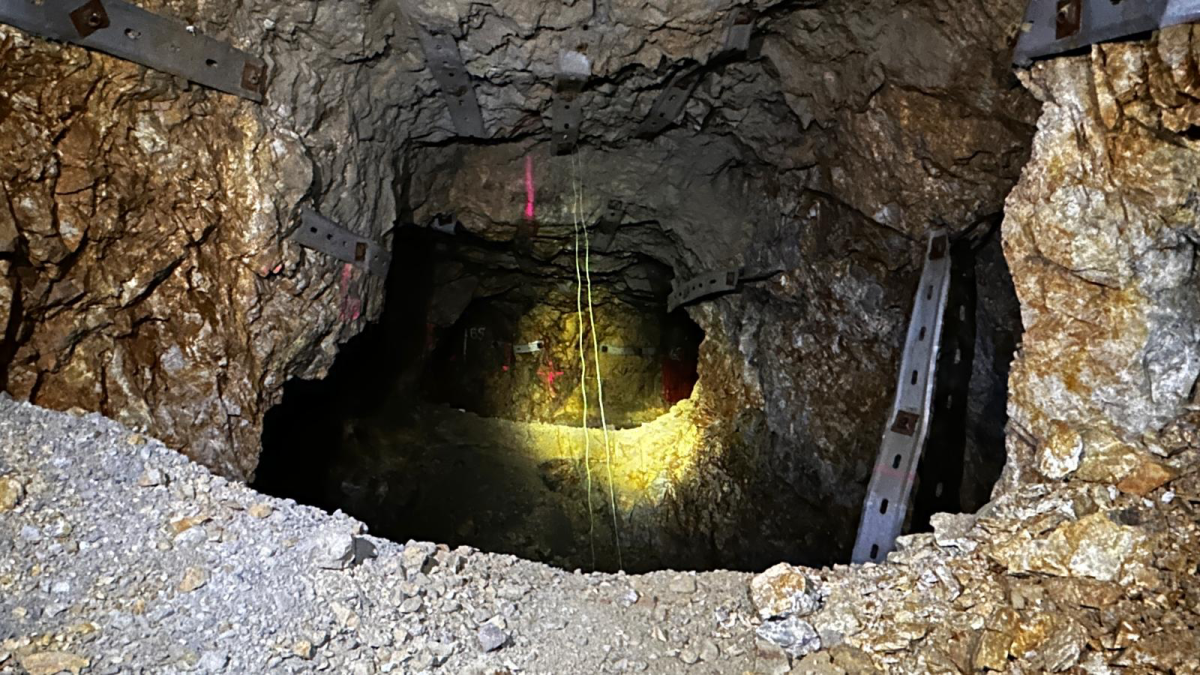
Bunker Hill completed its first production stope blast and logged four years without a lost-time incident, keeping an Idaho mine on track for Q4 commercial output.
Bunker Hill Mining Corp. (TSX: BNKR, OTCQB: BHLL) completed the first production stope blast at its Bunker Hill Mine in Kellogg, Idaho, and said it remains on track to reach commercial production by the end of 2026. The company also reported four consecutive years without a lost-time incident at the site.
Bunker Hill said the blast moves the fully owned operation from redevelopment into sustained underground production. Underground rehabilitation and development work preceded the shot, and mining activity is now ramping toward a 1,800 tonne-per-day operation.
Transverse longhole stoping is the mining method, with ore extracted in a primary-secondary sequence. After ore is pulled, each stope is backfilled with paste made from mill tailings and cement, pumped underground from a paste plant. That paste supports the ground so secondary stopes can be mined safely.
A newly commissioned tails filter press feeds the paste plant, part of the processing circuit that will turn mine ore into concentrates. Because the tailings go back into the mine, the operation needs no surface tails facility, a design Bunker Hill says keeps the environmental footprint smaller.
Bunker Hill went four years without a lost-time incident and completed a full year without a recordable safety incident as of the release. The milestones grew out of disciplined operational practice and continuous training, with strong workforce engagement across site activities, the company said. Its safety program is built around proactive risk identification and hazard mitigation.
President and CEO Sam Ash said the achievements belong to the team. "Four years without a lost-time incident demonstrates the strength of our team and their commitment to operating safely," he said. "The first production stope blast is another significant step in the transformation of Bunker Hill from a historic mine under redevelopment to a producing operation."
"Four years without an LTI and a full year without a recordable incident are exceptional accomplishments in our industry, particularly during an active restart phase," he said. "We are proud of our team for setting and maintaining this standard."
Alan Longley, health and safety manager, said the record reflects the restart's operating style. "We need to execute complex work safely while maintaining productivity and momentum, and our safety performance shows that we are doing just that," he said. "Embedding safety into every aspect of our operations is foundational to how we build this company."
The Bunker Hill Mine sits in northern Idaho's Silver Valley, one of North America's oldest silver producing districts. Bunker Hill, a U.S. operation with listings in Toronto and over the counter, expects to sell silver-lead-zinc concentrates. Established infrastructure and a significant mineral resource base support the restart, the company said. Price moves in those metals are covered in AlphaScala's commodities analysis.
Bunker Hill repeated that the production decision was not based on a feasibility study, a factor the company says adds uncertainty around metallurgical recovery and mining costs. The release named the need for additional project financing and the risk that capital and operating costs exceed estimates as factors that could push commercial production beyond year-end. Metal price swings are a separate variable for a ramp that depends on concentrate sales. The company disclaimed any obligation to update those forecasts, barring legal requirements.
With the mill already operational, Bunker Hill's near-term priorities are raising underground mining rates and getting the processing circuit to run steadily. The company also wants to build operating consistency before pushing output toward the levels in its mine plan.
"We remain focused on disciplined execution and are on track to achieve commercial production by year-end," Ash said.
Drafted by a large language model from the source reporting linked above, then screened by automated publishing checks. It is not read by a journalist before publication. Some articles cite our Alpha Score. Verify prices and figures against the original source. Educational coverage, not personalized advice.