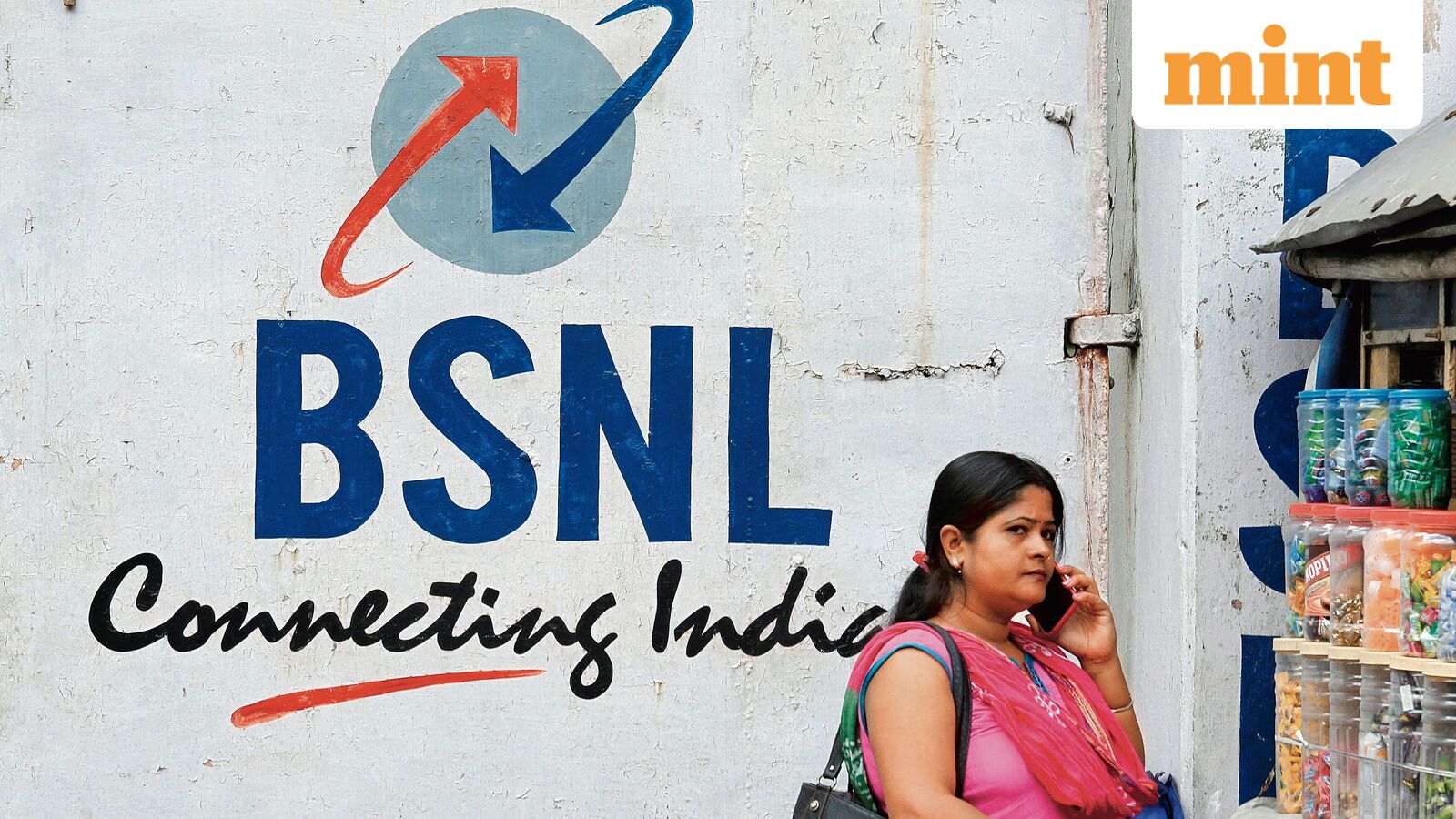
Bharat Sanchar Nigam Ltd has signaled a strategic shift in its revenue model by setting an ambitious average revenue per user target of ₹150 for the 2027 fiscal year. This objective follows a recent 42% increase in ARPU to ₹101, a move that underscores the state-owned operator's attempt to stabilize its financial standing in a competitive telecommunications landscape. The company is pinning these expectations on the aggressive rollout of its 4G network and the migration of its subscriber base to higher-value service plans.
Network Modernization and Revenue Strategy
The core of the company's growth plan rests on the transition from legacy infrastructure to modern 4G capabilities. By upgrading its network, the operator intends to improve service quality and data capacity, which are essential prerequisites for convincing existing users to transition toward premium offerings. This infrastructure push is designed to reduce the churn rate that has historically plagued state-run telecom entities while simultaneously increasing the lifetime value of its current customer base.
Increasing the ARPU to ₹150 requires a fundamental change in how the company bundles its services. The strategy involves moving away from low-cost, entry-level connectivity toward tiered plans that offer more data and integrated digital services. This shift is critical for the firm as it attempts to narrow the gap with private sector competitors who have long utilized data-heavy plans to drive their own revenue metrics. The success of this transition depends on the speed of the 4G rollout and the ability of the company to maintain network reliability during the migration phase.
Sectoral Read-Through and Competitive Positioning
The broader telecommunications sector remains sensitive to pricing power and infrastructure investment cycles. While private operators have already established deep 4G and 5G penetration, the state-run entity is playing a catch-up game that requires significant capital expenditure. The move to target a specific ARPU milestone suggests a more disciplined approach to financial reporting and operational efficiency than the company has demonstrated in previous years.
Investors looking at the broader stock market analysis often monitor how infrastructure-heavy firms balance debt loads against the need for rapid technology deployment. For this operator, the path to ₹150 is not merely a marketing goal but a test of its operational agility. The company must demonstrate that it can retain its subscriber base while simultaneously raising prices, a delicate balance that often dictates the long-term viability of telecom assets.
AlphaScala data currently reflects varying sentiment across the technology and consumer sectors, with ON stock page holding a mixed Alpha Score of 45/100, while TGT stock page maintains a moderate score of 59/100. These metrics highlight the importance of sector-specific execution in achieving valuation targets.
Next Steps for Operational Benchmarking
The next concrete marker for this strategy will be the quarterly reporting of subscriber migration rates to 4G-enabled plans. Analysts will specifically look for evidence that the increase in ARPU is being driven by organic plan upgrades rather than one-time promotional pricing. Any delays in the 4G rollout schedule will likely force a revision of the FY27 target, making the upcoming infrastructure deployment reports the primary indicator of whether the company can meet its financial objectives.