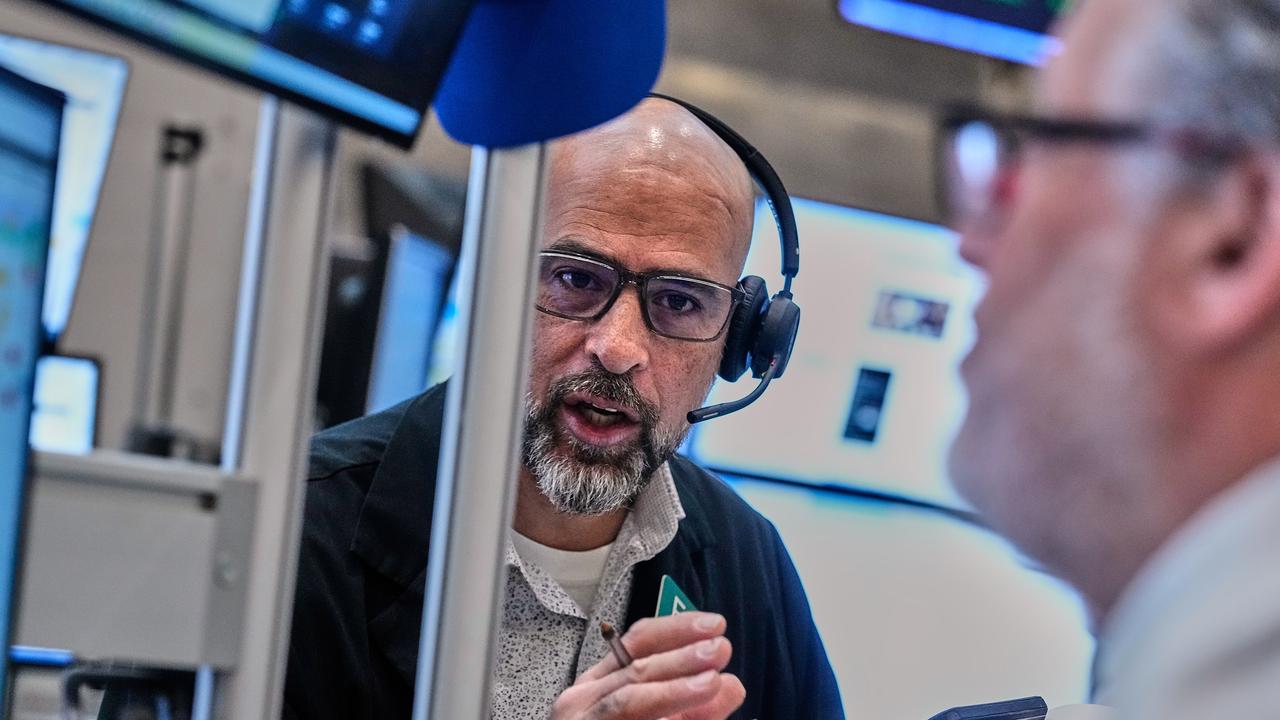
Wall Street ended in two camps on the session. The S&P 500 and Dow Jones Industrial Average posted gains, lifted by optimism around progress toward ending the Iran war. The Nasdaq Composite fell, dragged by a chip-sector sell-off triggered by disappointing results from Broadcom (AVGO) . The divergence between macro sentiment and sector-level stress makes this a session worth dissecting for positioning clues.
Broadcom’s Miss and the Semiconductor Read-Through
Broadcom reported results that missed revenue expectations, sending its stock lower and pulling the broader semiconductor complex down with it. The company, a bellwether for networking and custom AI chips, cited a normalizing demand environment in certain enterprise segments. That language spooked a market that has priced AI infrastructure as a near-guaranteed growth line.
The simple read is that Broadcom’s miss signals a broader slowdown in chip orders. The better market read requires examining the mechanism. Broadcom’s business splits between AI-specific chips (its TPU-like custom ASICs for hyperscalers) and legacy enterprise chips (switches, routers, storage). The miss came from the latter. Enterprise clients that over-ordered during the pandemic inventory binge are now destocking. That is a cyclical dynamic, not a structural AI problem. The AI pipeline – contracts with Google, Meta, and other cloud builders – remains intact.
The risk is that the market treats all semi news as AI news. When a namesake like Broadcom misses, traders sell first and differentiate later. That creates a dislocation: the AI supply chain stocks that fell in sympathy may now be mispriced relative to their actual exposure. Articles such as Broadcom's AI Pipeline Looks Stronger Than the Sell-Off Suggests and the analysis in Broadcom Beats But Drops: What the Selloff Says About Semis point to a similar pattern – a sell-off that creates entry points for the AI-specific names.
Iran Peace Progress: A Macro Tailwind That Reduces Risk Premia
On the other side of the tape, broader indices gained as reports indicated meaningful progress toward a resolution of the Iran conflict. The mechanism here is straightforward: a de-escalation reduces the risk premium baked into equities, particularly for energy and defense stocks that had rallied on the war premium. It also lowers the probability of supply disruptions in oil, which had contributed to sticky inflation fears.
WTI crude fell on the news, pressuring energy names but relieving margin pressure on airlines, transports, and consumer discretionary companies that had been absorbing higher fuel costs. The Dow’s advance reflects that rotation – out of war-beneficiary sectors and into cyclicals that benefit from lower input costs and a more stable geopolitical backdrop.
The simple read is that peace is good for stocks. The better market read is that the equity risk premium is narrowing. If the Iran situation resolves, the Fed’s job becomes slightly easier – lower oil takes the edge off inflation prints – which could shift rate expectations. That would be a positive for duration-sensitive sectors like real estate and tech, yet only if the chip sell-off does not spill over.
Decision Point: Watch for Sympathy Unwind and Iran Follow-Through
This session sets up two concrete decision points for traders:
- Broadcom and semi positioning: If Broadcom’s AI revenue line proves solid in the coming earnings calls or conference presentations, the sympathy sell-off in NVIDIA (NVDA) , AMD (AMD) , and other AI-exposed semis should unwind. If enterprise weakness spreads to the AI segment, the sell-off will deepen. The key number to track is hyperscaler capex guidance – if Google, Microsoft, or Meta reaffirm or raise their spending plans, the AI thesis holds.
- Iran ceasefire execution: The market has priced in a high probability of resolution. If talks stall or hit a new hurdle, the risk premium will snap back. That would hit the cyclicals that rallied today and may lift energy and defense again. The next diplomatic update – likely within days – will determine whether this rotation has legs.
The two catalysts are independent but intersect through positioning. A broad market advance driven by macro relief can mask sector-specific weakness. The Nasdaq’s decline today is a warning that not all rally legs are healthy. Traders who chase the Dow’s move without filtering out the semi risk are taking a hidden bet that Broadcom’s miss is a one-off.
What to Track Next
Broadcom will host its earnings call this week. Listen for the AI revenue split and any commentary on the enterprise destocking timeline. Separately, the State Department statements on Iran will be the macro anchor. A formal ceasefire agreement would extend the rally in cyclicals; a breakdown would reverse it.
For traders building a watchlist, the chip sell-off creates a potential mean-reversion play in AI-adjacent semis if the macro tailwind holds. That trade depends on confirmation that Broadcom’s miss is a cyclical, not structural, event. Until that confirmation arrives, the prudent stance is to stay neutral on the sector and let the data decide.