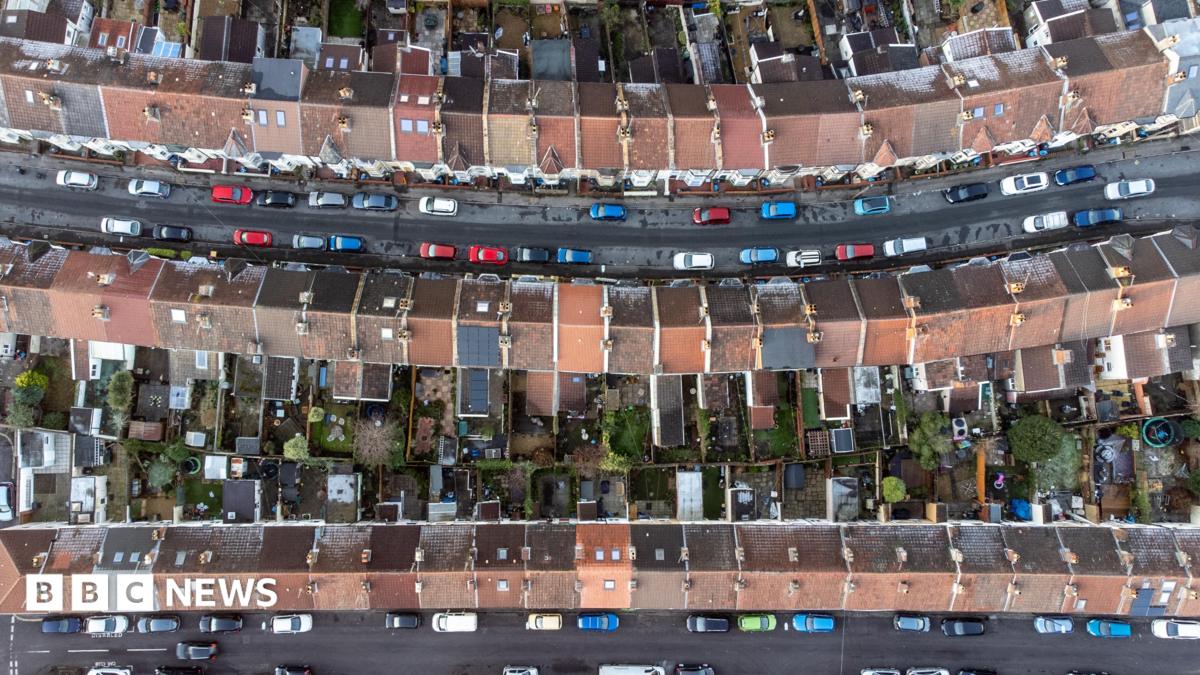
Bristol is the second most expensive UK city to build after London, with rising costs stalling affordable housing projects and leaving 20,000 households waiting.
Bristol is the ninth most expensive place on earth to build, according to a global index from consultancy Arcadis. The city ranks second in the UK behind London.
The ranking comes as Bristol struggles with a housing shortage. More than 20,000 households are on the waiting list for social housing. Developers say rising labour, energy and material costs are making some projects harder to deliver.
Simon Rawlinson, head of strategic research at Arcadis, said UK projects face extra costs from building standards and regulation. “There’s an expectation that UK buildings are high quality,” he said. “People might not believe that, but if you go somewhere like the US you’ll see a very different type of building.”
Regulations around environmental efficiency, biodiversity net gain and building safety add costs, Rawlinson explained. “That’s not to say we shouldn’t have these things, but they all add complexity… and that is one of the reasons why houses in the UK are so expensive.”
Bristol’s density and limited development space also drive costs higher. “Bristol is a very densely populated city, the sites that are now available are quite small and congested, they’re not the easiest to develop so you have to do quite irregular designs,” Rawlinson said. The Arcadis index noted the impact of the city’s clean air zone and competition for workers and materials from the Hinkley Point nuclear project, which can push up prices.
House prices in Bristol are more than nine times the average local household income, according to the Office for National Statistics. The city is the least affordable in England for private renters – the average rent eats up 45% of the average salary.
One of the factors driving up rental costs is the conversion of family homes into student housing. Some housing experts believe more purpose-built student accommodation could ease future pressure on the wider market.
Developers face significant upfront costs for land, design, materials and labour. They rely on investors to get projects off the ground, and those investors want to see a profit. “A lot of the profit margin is there to provide a risk cushion,” Rawlinson said. “At the moment when you put all the development costs – the land, the materials, the labour, the finance, everything else – it doesn’t give a cushion.”
One example is the Temple Island development. In 2022, Bristol City Council agreed that Legal & General could develop the site and expected 40% affordable housing. By April 2026, L&G said that was no longer viable because of tougher regulatory requirements and higher costs for labour, materials and energy. Council officers also said the £10.2 million cost of connecting the development to Bristol’s heat network was equivalent to “in the region of 50 to 60 affordable dwellings”.
Councillors approved the scheme with zero affordable housing. That allowed L&G to apply for a Homes England grant to make 106 units – 20% of the total – affordable.
Council leader Tony Dyer defended the decision. “Nobody can live in planning permission,” he said. “A stalled development delivers zero affordable homes – and zero homes overall.”
Paul Smith, managing director of Places for People, the second biggest social housing developer in the country, said he still believed Bristol can build good affordable homes. “When you’re seeing the number of affordable homes dropped through the planning system by the council, a lot of people think that’s the council backtracking,” he said. “But it’s actually them listening to the Housing Association sector.” He said in some cases developments can work better if Homes England grant funding is used to secure affordable homes.
Last year, 687 new affordable homes were built in Bristol – the most in 20 years. Of those, 450 will go to social housing and the rest to shared ownership. At that rate, it would take more than 40 years to clear the social housing backlog. In the same period, 137 social homes were sold through the right-to-buy scheme.
The government has announced £39 billion for social and affordable housing over the next decade, including £27 billion of grant funding for affordable homes outside London. It aims to deliver 300,000 affordable homes nationwide, including 180,000 for social rent.
Maxine Strait, 60, has been told she will need to move because the housing association property she lives in is “unmaintainable” after years of damp, leaks and mould. “I looked this morning, there’s nothing,” she said. “Loads of people are out there sleeping on sofas, because there’s nowhere to put anybody.” She added, “They are building quite a bit but it’s all for students, not for the normal person on the Housing Register.”
Drafted by a large language model from the source reporting linked above, then screened by automated publishing checks. It is not read by a journalist before publication. Some articles cite our Alpha Score. Verify prices and figures against the original source. Educational coverage, not personalized advice.