India's proposal for a BRICS Urban Research and Knowledge Network was accepted at the 13th Urbanisation Forum. Each member will designate a nodal organization. The network aims to share best practices on housing, municipal finance, and climate resilience.
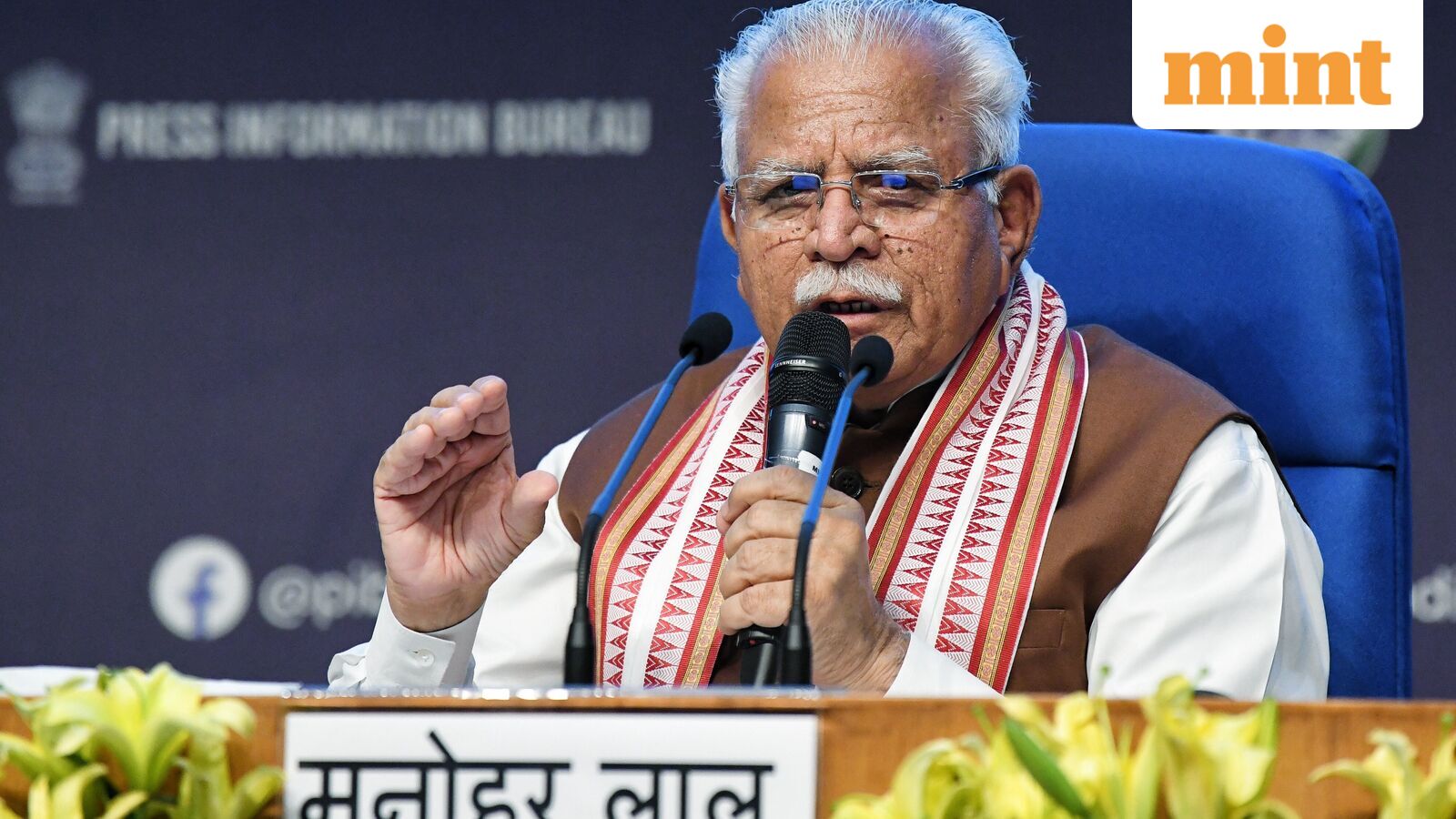
BRICS member nations have accepted an Indian proposal to create a formal knowledge-sharing network on urbanization, Union housing and urban affairs minister Manohar Lal said Friday in New Delhi.
The network, called the BRICS Urban Research and Knowledge Network, will function as a chair-led mechanism for research and collaboration among member countries, Manohar Lal said at the close of the BRICS Urbanisation Forum 2026. The 13th forum was held under India's BRICS chairship, and the network was one of the key outcomes underlined in the Urban Ministerial Declaration, according to a housing ministry statement.
Each member nation will designate one nodal organization to participate in the network, the minister said.
The two-day forum in New Delhi concluded with member nations recognizing the need for stronger local authorities, growth in digital innovation in urban governance, and the importance of sustainable and climate-resilient urban development, the ministry's statement said. Delegations from Brazil, China, Egypt, Ethiopia, Indonesia, Iran, Russia, South Africa, and the United Arab Emirates participated alongside India as host.
Member nations discussed affordable and adequate housing, access to basic amenities, climate and disaster resilience, and municipal finance. India's Swachh Bharat initiative was showcased during the discussions, Manohar Lal said.
The declaration reaffirmed a commitment to people-centered urban development and emphasized creating resilient cities with equitable access, the ministry said.
The push comes as India plans to strengthen its urban local bodies. Finance minister Nirmala Sitharaman in her February FY27 budget speech announced incentives for urban local bodies that tap debt markets for infrastructure financing.
Prepared with AlphaScala research tooling and grounded in primary market data: live prices, fundamentals, SEC filings, hedge-fund holdings, and insider activity. Each story is checked against AlphaScala publishing rules before release. Educational coverage, not personalized advice.