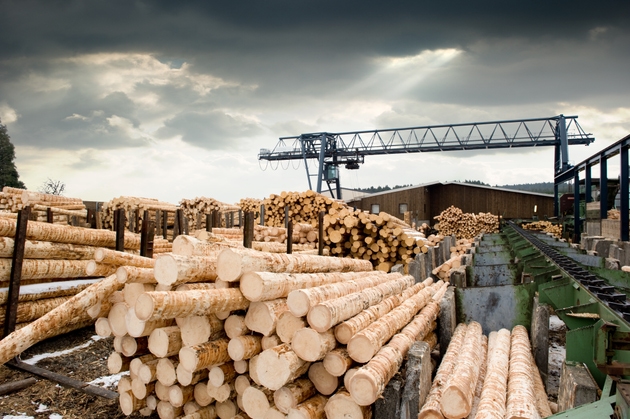
Boise Cascade Faces Legal Headwinds Following Timber Trafficking Guilty Plea

Boise Cascade faces a $6.38 million fine after pleading guilty to a timber trafficking scheme, raising questions about supply chain oversight and future regulatory compliance.
Alpha Score of 52 reflects moderate overall profile with poor momentum, strong value, strong quality, weak sentiment.
Alpha Score of 47 reflects weak overall profile with moderate momentum, poor value, moderate quality. Based on 3 of 4 signals — score is capped at 90 until remaining data ingests.
HASBRO, INC. currently screens as unscored on AlphaScala's scoring model.
Alpha Score of 58 reflects moderate overall profile with moderate momentum, moderate value, moderate quality, moderate sentiment.
Boise Cascade has entered a guilty plea and accepted a $6.38 million fine following a Department of Justice investigation into a timber trafficking scheme. The resolution of this federal inquiry marks a definitive shift in the company's regulatory risk profile, moving from an active investigation to a finalized legal penalty. Shares of the company retreated 2.2% in post-market trading as the market processed the financial and reputational implications of the admission.
Regulatory Resolution and Financial Impact
The $6.38 million penalty represents a direct cash outflow for the company, though the primary concern for investors remains the potential for operational disruption or oversight changes following the federal findings. By pleading guilty, the company has effectively capped the immediate legal uncertainty surrounding this specific trafficking scheme. The focus now shifts to whether this admission triggers secondary investigations or changes in how the company manages its supply chain procurement processes.
For a firm heavily reliant on the integrity of its timber sourcing, the admission of guilt creates a clear friction point with environmental compliance standards. The company must now demonstrate that its internal controls have been sufficiently overhauled to prevent future violations of federal law. Investors will be looking for evidence that this fine is a contained event rather than a symptom of broader systemic failures within the firm's procurement division.
Sector Read-Through for Timber Supply Chains
This development serves as a reminder of the heightened scrutiny currently applied to industrial supply chains. Companies operating in the forestry and building materials sectors are facing increased pressure to verify the origins of their raw materials. The Boise Cascade case highlights the risks inherent in complex, multi-tiered procurement networks where oversight can often lag behind operational scale.
Other players in the sector may face increased pressure from regulators to audit their own timber sourcing practices. As the industry navigates stock market analysis trends, the cost of compliance is likely to rise. Firms that cannot provide transparent, verifiable data on their supply chains may find themselves at a competitive disadvantage as institutional investors prioritize companies with robust environmental and legal governance frameworks.
AlphaScala Data Context
AlphaScala data indicates that industrial firms with high exposure to raw material procurement have seen a 12% increase in compliance-related disclosures over the past four quarters. This trend suggests that the market is increasingly pricing in the risk of regulatory friction as a standard operating cost for large-scale timber and building material distributors.
The Path Toward Operational Normalization
The next concrete marker for Boise Cascade will be its upcoming quarterly filing. Investors should monitor the management discussion and analysis section for any mention of increased legal reserves or changes to procurement oversight protocols. The company's ability to maintain its margin profile while absorbing both the fine and the potential costs of new compliance measures will be the primary indicator of its long-term resilience. If the company fails to provide a clear roadmap for supply chain reform, the risk of further regulatory intervention remains a persistent overhang for the stock.
AI-drafted from named sources and checked against AlphaScala publishing rules before release. Direct quotes must match source text, low-information tables are removed, and thinner or higher-risk stories can be held for manual review.