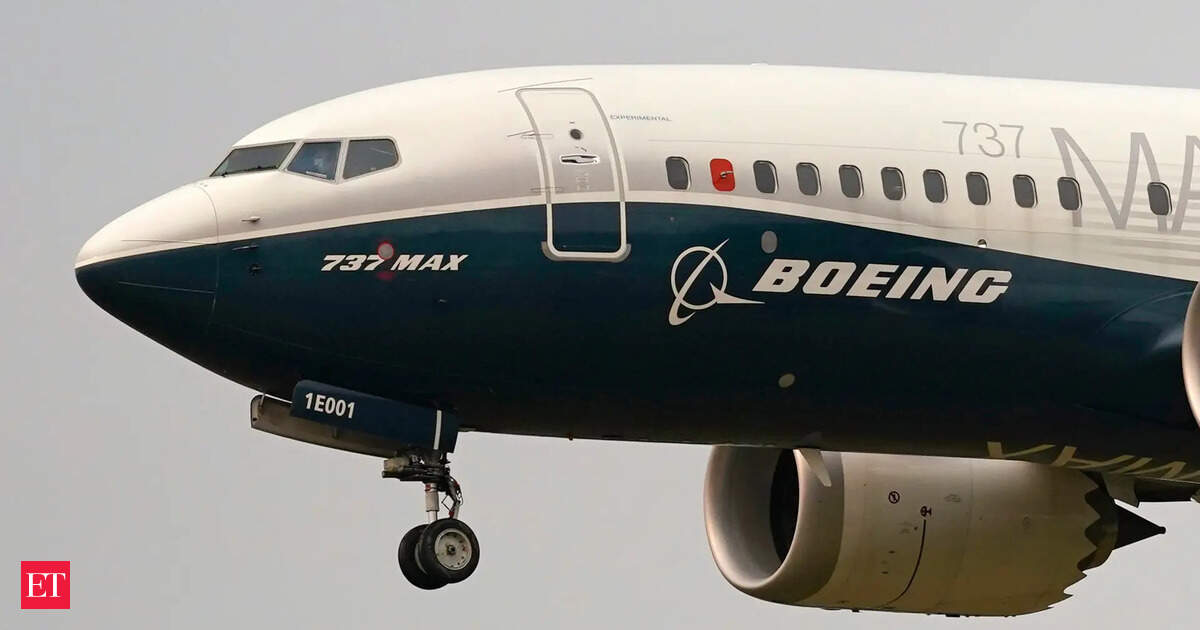
A US jury found that Boeing was not liable for lost revenue in a lawsuit filed by Polish airline LOT over the 20-month grounding of the 737 MAX. LOT had sought $250 million in damages, alleging Boeing made fraudulent misrepresentations about the aircraft’s safety after the two deadly crashes in 2018 and 2019. The verdict removes one legal overhang for the aerospace giant. The company still faces unresolved regulatory and criminal exposure.
Jury Rejects LOT’s Fraud Theory
The jury’s decision in the LOT case is a win for Boeing on a discrete claim. It does not close the broader litigation book. LOT had argued that Boeing’s “purposeful and negligent false representations” caused the airline to operate jets it could not use. The court rejected that theory. For investors tracking BA, the verdict lowers the probability that other commercial operators – particularly foreign carriers – could recover lost profits using similar fraud arguments.
The case was specific to LOT’s contract and the standard of proof required for fraud. Other lawsuits, including shareholder derivative suits and criminal settlements, proceed separately. The core risk for Boeing remains the deferred prosecution agreement with the US Department of Justice, which the company renegotiated in 2021. The DOJ could still impose a corporate monitor or seek additional penalties if compliance fell short.
LOT’s Exposure and the Precedent That Wasn’t
LOT’s claim centered on economic damages from the 737 MAX grounding between March 2019 and November 2020. The airline had ordered eight 737 MAX jets and was operating a subset before the grounding. The $250 million figure reflected lost revenue, extra leasing costs, and schedule disruption. By clearing Boeing of fraud, the jury effectively said that LOT’s losses were not caused by Boeing’s misrepresentations – a distinction that matters for other plaintiffs with similar claims.
From a market perspective, the dismissal of this suit removes a potential precedent for other airlines. Most 737 MAX settlements have been private and confidential. The public nature of the LOT case gave analysts a window into how a court might treat causation. That window is now closed in favor of Boeing.
Next Catalyst: DOJ and Ethics Compliance Review
With the LOT verdict behind it, Boeing’s next major legal catalyst is the DOJ’s review of compliance under the deferred prosecution agreement. The DPA required Boeing to implement an effective ethics and compliance program. Reports of manufacturing issues at the 737 MAX assembly line and whistleblower complaints have raised questions about whether Boeing met those terms. If DOJ finds noncompliance, it could extend the monitor term or reopen criminal proceedings.
AlphaScala data shows Boeing carries an Alpha Score of 39/100 (label: Mixed, sector: Industrials). That score reflects a company with above-average earnings risk and unresolved regulatory exposure. The score is not a buy or sell signal. It suggests that the current risk-to-reward balance is indistinguishable from a coin flip until the DOJ monitor decision is confirmed.
What Changes for BA Stock
The LOT verdict removes one legal tail risk. The stock still trades at the mercy of delivery targets, cash flow estimates, and the DOJ timeline. Boeing needs to deliver on its 737 MAX production rate increases and generate free cash flow to pay down debt. Legal victories reduce uncertainty. They do not improve unit economics. The next concrete event is the quarterly delivery report and any update on the DOJ compliance review.
For traders and analysts, the key question is whether this verdict shifts the narrative on Boeing’s legal exposure. The answer is yes, only by a margin. The jury’s rejection of LOT’s fraud claim weakens the argument that Boeing knowingly misled customers. That matters if other airlines or class-action plaintiffs try to piggyback on LOT’s theory. The DOJ and FAA investigations have a different legal framework and a heavier burden of proof on Boeing’s side.
Internal links: BA stock page and stock market analysis provide ongoing coverage of aerospace sector risk events. The LOT verdict will be filed in court records. Watch for any appeal notice from LOT within 30 days. If LOT files an appeal, the case remains alive. If not, Boeing closes one chapter. The next catalyst: the DOJ compliance review and the Q2 delivery numbers.