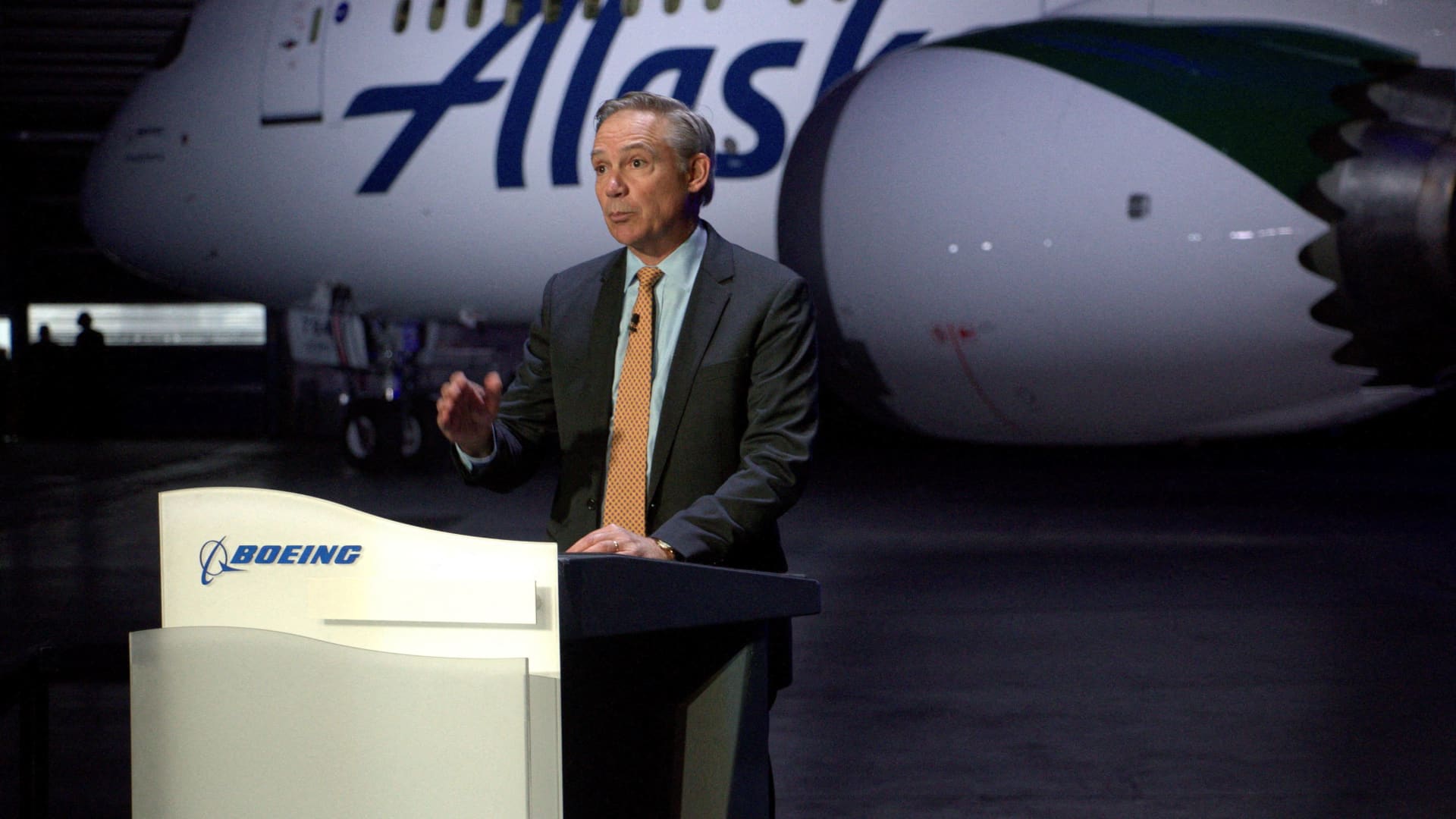
Boeing has signaled a shift in its operational narrative by confirming expectations for the certification of its 737 Max 7 and 10 models before the end of the year. This timeline provides a concrete horizon for the company as it works to stabilize its production environment and address the regulatory hurdles that have constrained its narrowbody output. The announcement follows a period characterized by delivery delays and heightened scrutiny of the firm's manufacturing processes.
Certification Path and Delivery Horizons
The company is positioning the certification of the Max 7 and 10 variants as a primary catalyst for its medium-term recovery. While the regulatory approval is anticipated within the current calendar year, the actual delivery of these aircraft to customers is slated for 2027. This gap between certification and delivery underscores the complexities involved in scaling production lines while maintaining rigorous quality control standards. For stakeholders, the focus now shifts to whether the company can maintain this schedule without further regulatory friction or supply chain bottlenecks.
Operational Read-Through and Industrial Impact
Boeing's ability to narrow its losses in the most recent period is directly tied to an uptick in aircraft deliveries. This improvement suggests that the company is beginning to clear the backlog of inventory that accumulated during previous production pauses. The industrial sector is closely monitoring these delivery metrics as a proxy for the broader aerospace supply chain's health. As Boeing works to normalize its output, the ripple effects are felt across a wide range of component suppliers and logistics partners that rely on consistent production cadences.
AlphaScala data currently assigns BA an Alpha Score of 44/100, reflecting a mixed outlook as the company navigates these industrial challenges. This score captures the tension between the firm's established market position and the ongoing operational hurdles it must overcome to restore consistent profitability. Investors tracking stock market analysis will note that the company's performance remains highly sensitive to its ability to meet these revised delivery and certification milestones.
Next Decision Points
The immediate path forward for Boeing involves the successful navigation of the final certification phases for the Max 7 and 10. Any deviation from the current timeline will likely be viewed as a signal of continued operational instability. Beyond the regulatory process, the company must demonstrate that its production ramp-up can occur without compromising the safety and quality standards that have become the central focus of its corporate governance. The next major marker will be the confirmation of certification milestones, which will serve as the primary indicator of whether the company has successfully transitioned from a period of crisis management to one of sustained operational recovery. The firm's ability to execute on these specific delivery targets will determine its trajectory in the competitive narrowbody market over the next several years.