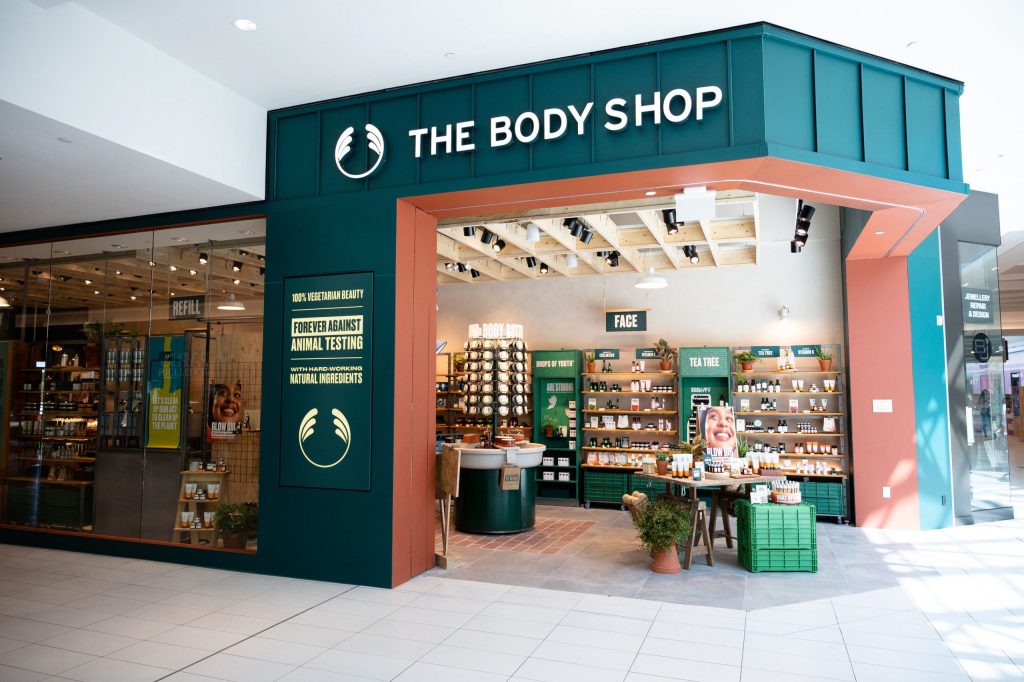
The Body Shop is now live on Uber Eats across the UK, bringing its full product range to the delivery platform. Customers in most urban postcodes can order and receive items in under 30 minutes, according to the company. The move adds a major cosmetics brand to Uber’s non-food retail lineup and tests whether on-demand beauty delivery can generate repeat business.
The partnership is the latest push from Uber Eats into beauty and wellness. The platform already delivers products from chains like Boots and Superdrug in some markets. The Body Shop, with 100% vegan and ethical sourcing, gives Uber a dedicated cosmetics name that rivals cannot easily replicate.
Why On-Demand Beauty Changes the Unit Economics
Uber Eats has been expanding beyond restaurant food for two years. The logic is straightforward. A typical The Body Shop basket runs between £20 and £35, well above a sandwich order. The platform’s fixed logistics cost per route barely changes whether the box holds a pizza or a moisturiser. Higher order values per drop mean better gross margin per route.
The inventory model is also different. The Body Shop operates about 120 stores in the UK. Each location now functions as a micro-fulfilment hub. Uber’s algorithm routes a courier to the nearest shop with the item in stock, not to a central warehouse. That cuts delivery distance and time. The two companies had to integrate their point-of-sale systems so the app knows real-time stock before the customer taps order.
The store-as-hub distribution network gives The Body Shop last-mile capacity it could not have built on its own without millions in investment. For Uber, it fills off-peak hours. The Body Shop’s weekday foot traffic peaks at lunch and late afternoon. Delivery orders smooth that curve.
The Margin Trade-Off for The Body Shop
The Body Shop gains younger customers who default to app-based shopping for groceries, cosmetics, and everything in between. Revenue per store could lift if delivery orders fill gaps in the sales day.
Delivery platforms charge commissions that typically run 25% to 30% of the order value. The Body Shop must price its products to absorb that cost and still make a profit on the transaction. The channel could cannibalise higher-margin in-store sales without bringing incremental volume. That risk is real.
The brand already modernised its e-commerce operation with a redesigned website in 2025 and an investment in click-and-collect. The Uber Eats deal gives it a third-party instant-delivery channel without the fixed cost of its own fleet. The commission is a variable cost, not a fixed one. Whether that trade-off works depends on repeat rate.
Uber’s Retail Ambitions: Speed Over Price
Uber Eats is not trying to be a general e-commerce marketplace like Amazon. It is positioning as an urgent-need delivery network. The Body Shop fits that profile: someone runs out of face cream or wants a last-minute gift. The purchase intent is immediate, not considered over days.
That is a different model from scheduled beauty subscription boxes. Uber bets that speed matters more than price for a segment of the cosmetics market. If that bet is right, The Body Shop gets a distribution advantage over brands that only sell through traditional e-commerce or physical stores.
The competitive read-through is broader. Amazon has expanded same-day delivery for beauty products in the UK and US. Deliveroo offers non-food items through its Hop grocery arm but has not pushed deep into dedicated beauty. Uber’s tie-up with The Body Shop gives it a named-brand exclusive that rivals cannot easily replicate.
What to Track Next
The most important metric is not first-week order count but repeat rate. If consumers use Uber Eats to buy The Body Shop once and never come back, the partnership is a marketing expense. If they reorder – especially if they add Body Shop items to a food order – the unit economics improve dramatically.
Uber will also watch average delivery time for the new category. The platform has to decide whether to use dedicated couriers for beauty or mix orders in the same driver runs as food. A broken shipment costs the company and the brand.
For The Body Shop, the deal is a liquidity test. It needs the Uber channel to generate enough incremental revenue to offset the platform commission and the operational complexity of real-time inventory syncing. If it works, other ethical beauty brands will queue for the same slot.
AlphaScala’s proprietary Alpha Score for Uber sits at 45/100, labelled Mixed. The score reflects the tension between strong ride-hailing demand and the still-uncertain profitability of the delivery segment. The Body Shop deal is a small but concrete step in proving the non-food delivery thesis. Investors will watch quarterly segment reports for delivery revenue per order and gross margin trends in the UK across 2026.
Follow the UBER stock page for updates on delivery metrics and the broader retail push. For more sector analysis, see stock market analysis.