Stocks● Neutral
B&M CEO admits pricing errors, tests discount sector
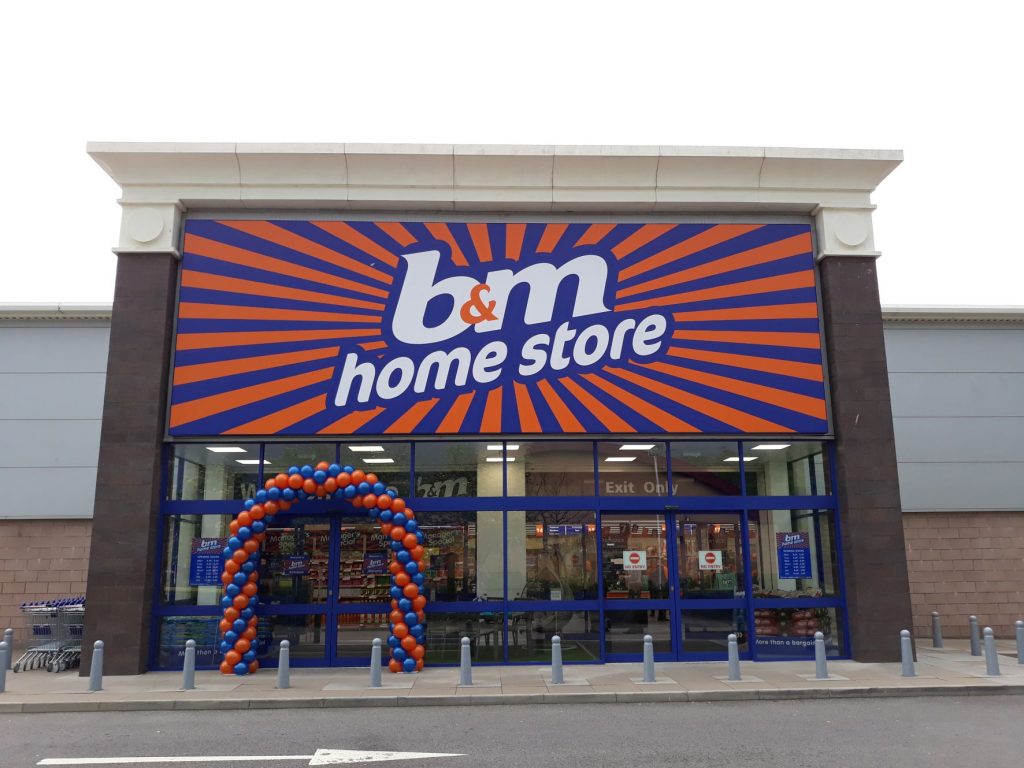
B&M CEO Tjeerd Jegen admits weak pricing, promotions, and range complexity caused self-inflicted slowdown. Read-through for discount peers Poundland, Home Bargains, Aldi, Lidl.
Continue with
B&M Chief Executive Acknowledges Self-Inflicted Weakness
B&M chief executive Tjeerd Jegen told The Times that the discount retailer’s recent underperformance was partly self-inflicted. He pointed to weak pricing, underwhelming promotions, and an overly complicated product range as the core problems. The admission is rare for a value-chain CEO. Most attribute struggles to inflation or supply-chain costs. Jegen instead laid out operational failures.
A discount retailer’s promise is simple: the lowest price for acceptable quality. When that promise blurs, customers defect. B&M lost focus on its own formula. The pricing was not sharp enough to maintain the value perception that drives footfall. Promotions lacked impact, failing to convert window shoppers into buyers. The product range had become too complex, confusing customers and slowing shelf turns.
The Mechanism: How Range Complexity and Pricing Errors Compound
A complicated range increases inventory carrying costs and raises the risk of markdowns. When a discount retailer stocks too many SKUs, it loses the purchasing leverage that comes with bulk orders. B&M likely saw gross margin compression as slow-moving items had to be cleared at deeper discounts. The pricing errors compounded the problem: if the headline price on a core item drifts above a psychological threshold (say, £1 or £5), the customer perceives the store as expensive, even if other items are fairly priced.
Customer traffic is the lifeblood of discount retail. Once traffic drops, the fixed costs of stores and logistics become a heavier burden. B&M’s admission implies that traffic has been soft. The company is now trying to reverse that trend by fixing the proposition.
Discount Sector Slowdown: Cyclical or Structural?
B&M’s struggles are not isolated. The wider value retail sector has shown signs of slowing after a post-pandemic boom. During the cost-of-living crisis, discounters gained market share as households traded down. With inflation easing and real wages rising modestly, some consumers are returning to mid-market retailers. That shift could be cyclical – a natural rotation as economic conditions change.
A structural risk also exists. The discount sector’s growth attracted new entrants and aggressive expansion. Aldi and Lidl have been opening stores rapidly, squeezing the middle ground. Poundland has been revamping its range. Home Bargains has maintained disciplined pricing. In this environment, a misstep like B&M’s can lose market share quickly, and regaining it is expensive.