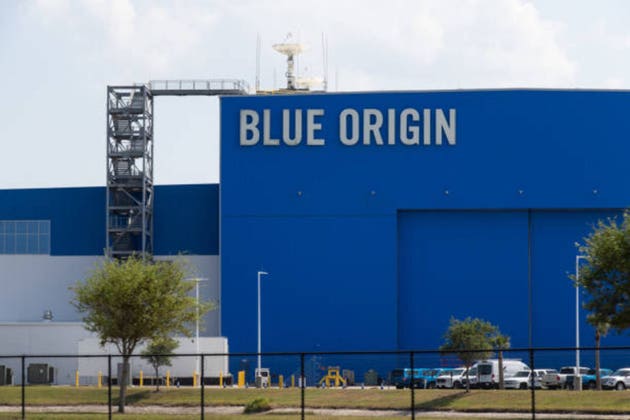
Blue Origin has introduced a $9.50 strike price for its new employee stock option plan, signaling a shift in how the firm manages talent and capital structure.
Blue Origin has introduced a new employee stock option plan featuring a $9.50 strike price, a move that signals a shift in how the private aerospace firm manages internal incentives. This adjustment comes as the company intensifies its operational pace, specifically targeting the launch schedule for its New Glenn rocket and its ongoing contributions to NASA’s Artemis program. By formalizing these equity terms, the firm is creating clearer liquidity pathways for its workforce, a structural change that often precedes significant shifts in corporate maturity or capital structure.
The introduction of a $9.50 strike price provides a concrete valuation benchmark for employees who have historically operated under the umbrella of a private, founder-led entity. For those tracking the aerospace sector, this represents a transition from purely mission-driven compensation to a model that incorporates tangible equity upside linked to company performance. The timing is notable as the firm balances the high-stakes development of the New Glenn vehicle against the competitive pressure of the broader space economy. If the company successfully hits its upcoming launch milestones, this strike price will likely serve as the baseline for future valuation assessments.
While Blue Origin remains a private entity, the move to standardize equity incentives invites inevitable comparisons to other major players in the space industry, particularly those with public market aspirations. Investors often look at stock market analysis to gauge how private aerospace firms might eventually be priced if they were to enter public markets. By establishing a clear strike price, Blue Origin is effectively signaling to its talent pool that it intends to compete for human capital on the same terms as firms that offer liquid, tradeable equity. This is a critical mechanism for retaining specialized engineering talent in an environment where technical expertise is the primary driver of project success.
The shift toward a structured option plan suggests that management is preparing for a period of increased capital intensity or potential future funding rounds. For the internal stakeholders, the $9.50 strike price creates a clear path to value realization, provided the company can maintain its current trajectory on the Artemis contracts. However, the risk remains that any significant delay in the New Glenn launch schedule could compress the perceived value of these options, potentially leading to a misalignment between employee expectations and the firm’s actual progress. The success of this incentive program depends entirely on the company’s ability to convert its current development pipeline into consistent, reliable launch cadence. Future updates regarding the vesting schedules or any changes to the strike price will serve as the next concrete markers for how the firm intends to manage its capital structure as it approaches its next phase of growth.
AI-drafted from named sources and checked against AlphaScala publishing rules before release. Direct quotes must match source text, low-information tables are removed, and thinner or higher-risk stories can be held for manual review.