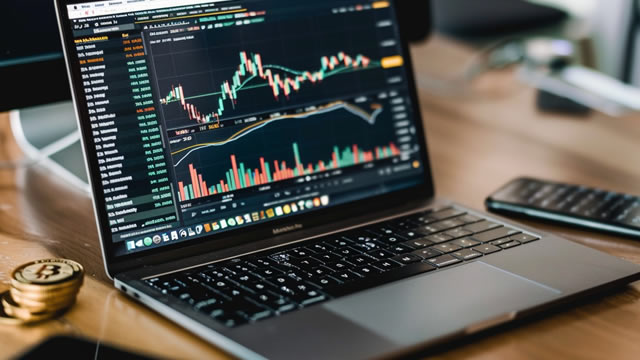
Blockchain.com has submitted confidential documents to US regulators for an initial public offering. The wallet and exchange platform, which has processed over $1 trillion in crypto transactions since its 2011 founding, is now preparing to test public market appetite. The filing joins a rising number of digital asset firms aiming for listings, a move that signals confidence in the sector's ability to meet SEC disclosure standards.
Blockchain.com Files Confidential S-1 Under JOBS Act
The paperwork was filed under the Jumpstart Our Business Startups (JOBS) Act, which allows the company to keep financials private until a public S-1 amendment. That structure gives Blockchain.com flexibility to time the offering around market conditions. In a sector where sentiment can shift on a single regulatory headline, that timing control is valuable.
For traders and allocators, the filing marks a concrete step toward public markets. The company generates revenue from transaction fees, custody services, and its lending product. An eventual public prospectus would break out those lines, revealing profit margins and growth consistency. That disclosure will become a benchmark for valuing other late-stage crypto infrastructure firms.
Exposure: Second-Order Effects on Crypto Exchange Valuations
The simple read is that another crypto IPO validates the sector. The better market read involves Coinbase as a precedent. Coinbase went public in 2021 through a direct listing at a high valuation; its stock has since traded in a wide range, reflecting the volatility of crypto trading volume and transaction-based earnings. Blockchain.com faces the same structural risk: its revenue is tied to price cycles.
A successful Blockchain.com IPO would likely reinforce confidence in the crypto exchange model, benefiting peers such as Kraken and Gemini that are not yet public. A flop or a material delay could tighten private-market valuations for other digital asset firms planning to list. The filing also draws attention to compliance infrastructure, particularly given the DOJ's ongoing scrutiny of crypto exchanges for anti-money laundering lapses. That context makes Blockchain.com's disclosure of sanctions compliance and AML controls a key factor for investors. Read more about DOJ probe implications.
What Could Derail the Listing
Clear signals from the SEC that it views crypto exchange disclosures as sufficient would reduce legal risk. A strong S-1 showing diversified revenue streams not purely tied to trading fees would also improve the chances of a stable post-IPO trading pattern. Balance sheet transparency around holdings of Bitcoin and Ethereum matters: if Blockchain.com reports large unrealized gains on its own crypto treasury, that could support valuation. Track Bitcoin and Ethereum profiles for on-chain flows that influence such holdings.
A sudden regulatory pushback, such as the SEC questioning the classification of certain products, could derail the timeline. Any liquidity stress or withdrawal suspension at a major exchange during the quiet period would taint the entire IPO cohort. If the broader market for tech growth stories continues to deteriorate, Blockchain.com may be forced to cut valuation expectations or withdraw entirely. See broader crypto market analysis for sector sentiment context.
Next Milestones to Watch
The confidential filing means the next public marker is the public S-1 amendment. That document will reveal revenue growth rates, customer acquisition costs, and specific risk factors. Anti-money laundering and sanctions compliance will likely feature prominently. Traders should also watch the crypto derivatives market for positioning shifts around the IPO date. A successful float could trigger short-covering in exchange tokens and related infrastructure plays. A delay would reinforce skepticism about the sector's path to public markets.
Blockchain.com's move is not a direct catalyst for immediate price action in Bitcoin or Ethereum. Those assets trade on macro and on-chain flows rather than exchange IPOs. The real test is whether the company can convince the SEC and public market investors that its business is sustainable beyond the next retail cycle.