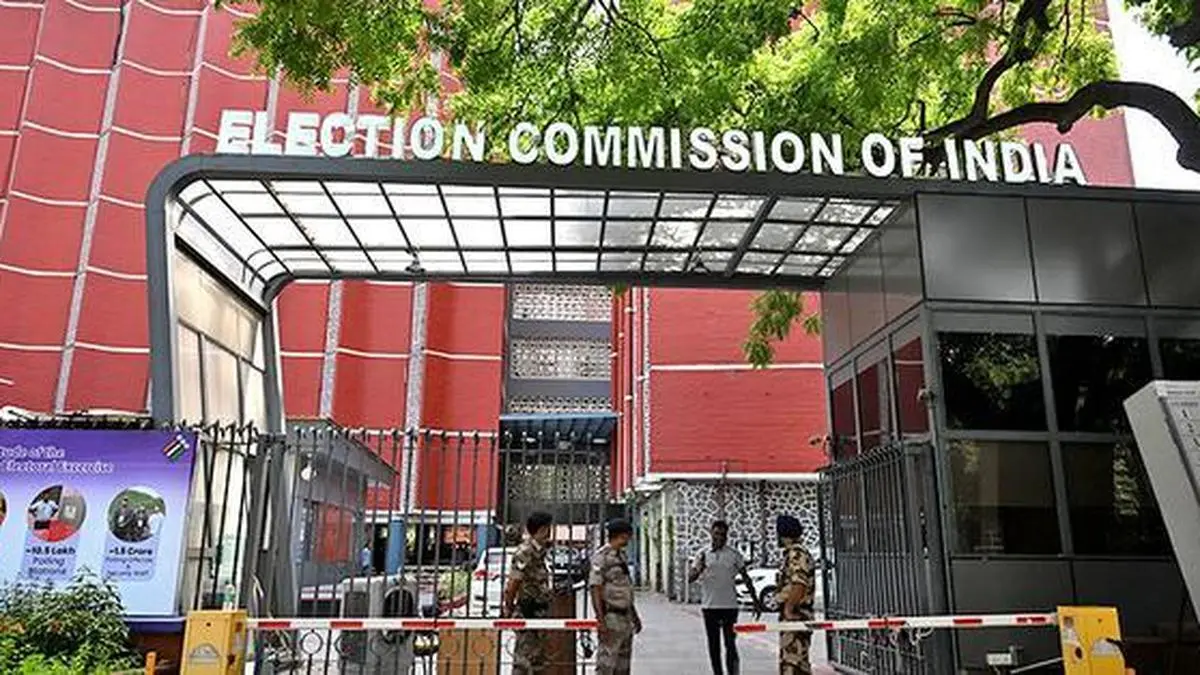
The BJP's 207-seat win in West Bengal ends a 15-year TMC rule. The EC's formal notification now triggers the constitutional process for new government formation.
The Election Commission of India has officially issued the notification for the constitution of the new West Bengal Legislative Assembly, formally concluding the electoral cycle. This administrative step follows the Bharatiya Janata Party's decisive victory, where the party secured 207 seats in the 294-member assembly. The outcome marks a significant shift in the regional political landscape, ending the Trinamool Congress’s 15-year tenure in the state.
The issuance of the notification to the Governor of West Bengal serves as the final procedural requirement from the Election Commission. By certifying the election results, the commission has cleared the legal path for the swearing-in of the newly elected representatives. This transition is a critical phase in the state's governance, as the notification triggers the constitutional mechanisms required to appoint a new Chief Minister and cabinet. The commission emphasized that the entire electoral exercise, spanning from the initial polling phases to the final counting of votes, was conducted in accordance with the statutory framework to ensure transparency.
The scale of the BJP's victory, capturing 207 out of 294 seats, provides the party with a substantial majority. This result is a departure from the previous political status quo, which had been dominated by the Trinamool Congress for over a decade and a half. For market observers and institutional stakeholders, the change in administration often signals a shift in state-level policy priorities, particularly regarding industrial land acquisition, infrastructure development, and local regulatory environments. The transition of power will likely influence the state's fiscal trajectory and its approach to private-public partnerships in the coming years.
While the election results are a political event, the subsequent formation of the government creates a new baseline for policy implementation. Investors looking at regional exposure should note that the stability of the new administration will be tested by its ability to manage the transition from the previous government's long-standing policies. The focus will now shift to the first legislative session and the introduction of the state budget, which will provide the first concrete indicators of the new government's economic agenda. Historically, such significant shifts in state leadership can lead to re-evaluations of regional project timelines and regulatory compliance expectations.
The immediate period following the notification is characterized by the formalization of the executive branch. The Governor will now invite the leader of the legislative party to form the government, a process that typically follows the notification of the assembly's constitution. For those tracking the impact of political shifts on the stock market analysis, the primary focus remains on how the new administration balances its campaign promises with the existing fiscal constraints of the state. The stability of this transition will be confirmed once the cabinet is sworn in and the first policy directives are issued, signaling the new government's commitment to its stated economic platform. The conclusion of the election cycle removes the uncertainty that typically precedes such transitions, allowing for a clearer assessment of the state's legislative priorities for the next term.
AI-drafted from named sources and checked against AlphaScala publishing rules before release. Direct quotes must match source text, low-information tables are removed, and thinner or higher-risk stories can be held for manual review.