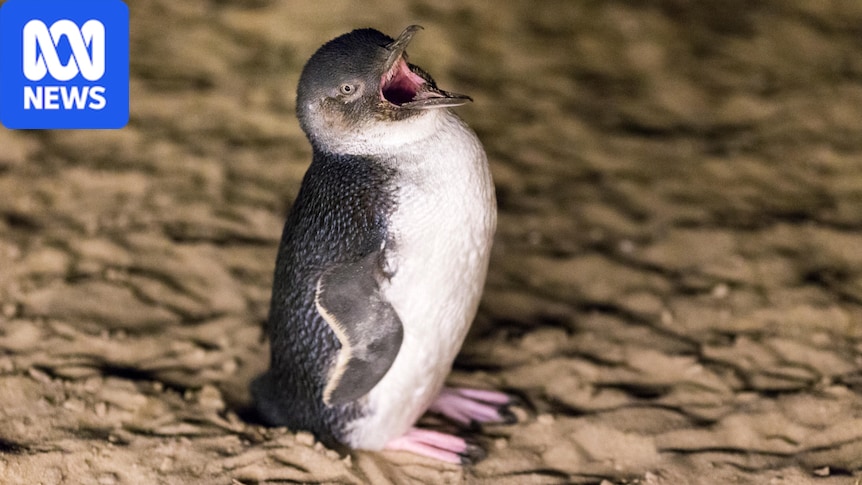
Victoria's H5N1 cases grow to seven; Environment Victoria warns of 'mass deaths' for the tourist-drawing colony if the virus reaches the island.
Conservationists are warning that the H5 bird flu strain could cause mass deaths among Phillip Island's little penguin colony, a population of more than 40,000 birds that draws tourists from around the world.
Victoria confirmed its first H5N1 case last week at Portland, on the state's southwest coast. Seven cases have now been recorded in the state, and at least 78 across Australia since the first detection in Western Australia in June.
Environment Victoria's nature campaigns manager, Chris Schuringa, said the virus could have "devastating effects" if it reaches the island. "It's very alarming how quickly things are moving," she said. "Unfortunately, we are likely to see really high mortality rates once this spreads."
Schuringa said little can be done once birds contract the virus. "The virus is transmitted very quickly and quite easily, so really any area is at risk," she said. The strain could also spread to the island's seal colony and other marine animals. "It's really only a matter of time before it spreads to other species. Acting now is critical."
Environment Victoria is calling on the state government to restore funding to agencies such as Parks Victoria, Zoos Victoria and biosecurity staff within the Department of Energy, Environment and Climate Action to strengthen the frontline response.
Victoria's chief veterinary officer, Graeme Cook, said penguin colonies elsewhere in the world have suffered mass die-offs from bird flu. He noted that trials have shown penguins can be vaccinated without adverse side effects. He could not confirm whether the vaccine would be administered before H5N1 reaches Phillip Island.
"Decisions on whether to vaccinate what we term rare captive and threatened birds has been considered," Cook said. The decision to vaccinate is complex, he added. The current vaccine requires handling twice. In wild bird populations you cannot capture them the same way you could capture captive birds within zoological establishments.
Cook said the federal government ultimately decides vaccine policy for native species.
Phillip Island Nature Parks, which manages the penguin colony, said it is monitoring the situation closely and has an active Avian Influenza Response Plan in place. The plan includes increased biosecurity measures for field staff, such as cleaning and disinfecting footwear and vehicles when moving between sites.
"The Nature Parks has been planning for the arrival of this bird flu strain since 2023, and we continue to work closely with the Department of Energy, Environment and Climate Action on an effective response," a spokesperson said in a statement. The organisation said it has invested significant resources into improving the health and resilience of wildlife habitat on the island in recent years. Attractions, reserves and beaches remain open.
Bass Coast Shire mayor Brett Tessari said he hopes wildlife agencies are properly prepared. "We're relying on the emergency response that's been years in the workings," he said. "As far as the economic impact goes it will affect us, we're a tourist mecca for penguins."
The bird flu threat comes on top of the loss of the Australian MotoGP and World Super Bikes events earlier this year. "It's just another hit for Phillip Island in particular," Tessari said. "If our penguins get impacted as well the island's copping it a bit so we're hoping the proper agencies step in and do what they need to do."
The virus has not yet been detected on Phillip Island.
Drafted by a large language model from the source reporting linked above, then screened by automated publishing checks. It is not read by a journalist before publication. Some articles cite our Alpha Score. Verify prices and figures against the original source. Educational coverage, not personalized advice.