Stocks● Neutral
BioThera Raises $1.5M on Skincare-First EV Strategy
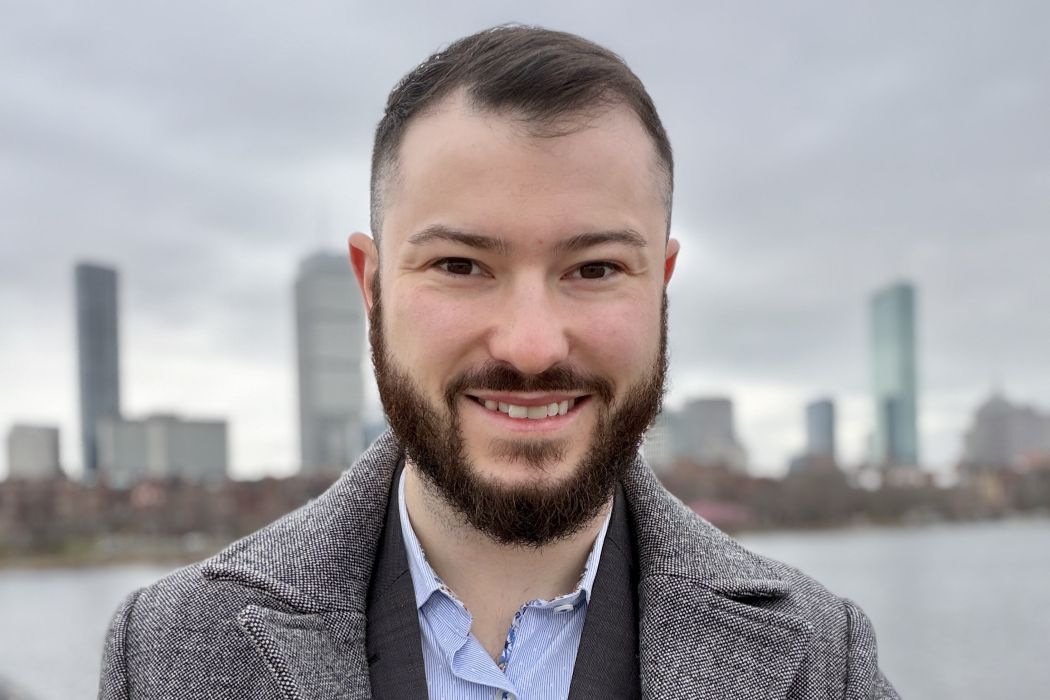
BioThera's $1.5M seed round funds an EV skincare serum. The startup aims to use cosmetic regulatory path to speed therapeutic launch. Second trial later this year.
Continue with
Ottawa-based BioThera Solutions has closed a $1.5-million USD seed round to back its strategy of using a cosmetic skincare serum as a springboard for therapeutic extracellular vesicle (EV) manufacturing. The company's founder and CEO, Frédéric St-Denis-Bissonnette, told the source publication that the skincare product is a "wedge" – a faster, lower-cost path to market than the years-long therapeutic regulatory route.
BioThera's serum is derived from aloe vera EVs, which the company refines into a patented solution. The CEO said he has been using the serum for over a year and claims it reduces wrinkles and hydrates skin. Health Canada approved the product for cosmetic use, which allowed BioThera to file patents and run a clinical trial. The product was registered with Health Canada within 18 months, while St-Denis-Bissonnette was still finishing his PhD. He said a comparable company pursuing a therapeutic route would have taken eight years.
The real asset, St-Denis-Bissonnette said, is the company's scalable EV isolation method. Standard methods extract only small volumes, he said. BioThera's process can handle 1,000 times the input volume without degrading the EVs, according to the CEO. Scaling that claim from a lab batch to commercial production is one of the key risks the seed round is meant to address.
The $1.5M is being matched by non-dilutive funding from programs such as the NRC Industrial Research Assistance Program. BioThera plans to use the capital to file patents in new jurisdictions and expand its direct-to-dermatologist sales. A second clinical trial is scheduled for later this year to test the EVs' effect on irritation from lasers and microneedling.