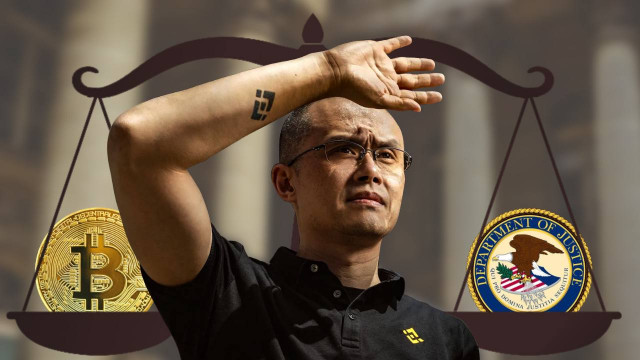
The Allegation: A Calculated Industry Siege
In a series of recent disclosures, Changpeng Zhao, the foundational force behind Binance and a pivotal figure in the digital asset landscape, has leveled serious accusations against his domestic competition. According to Zhao, major U.S.-based cryptocurrency exchanges engaged in a multi-million dollar lobbying campaign specifically designed to prevent his potential presidential pardon and to obstruct Binance’s reentry into the U.S. market.
The claims suggest a high-stakes geopolitical and regulatory theater where incumbents sought to leverage political influence to stifle a formidable rival. For market participants, these allegations offer a rare glimpse into the shadow-lobbying efforts that often dictate the pace of regulatory change within the burgeoning crypto sector.
The Competitive Landscape and Regulatory Moats
Since Binance’s high-profile settlement with U.S. authorities—which saw the exchange pay $4.3 billion in fines and Zhao step down as CEO—the company has been navigating a complex path toward operational rehabilitation. For domestic competitors, Binance’s potential return to the U.S. represents a significant threat to market share.
Zhao’s assertion that his rivals poured millions into efforts to keep him sidelined highlights the "regulatory moat" strategy. In this environment, established players often utilize compliance-focused narratives to lobby for the exclusion of competitors who have previously fallen afoul of the Department of Justice or the SEC. By positioning Binance as a pariah, these exchanges effectively sought to cement their own dominance by proxy of government gatekeeping.
Why This Matters for the Crypto Market
For investors and traders, this revelation underscores a critical reality: the crypto market is no longer a Wild West of retail speculation, but a highly institutionalized political landscape. The intersection of lobbying, regulatory compliance, and presidential intervention creates a volatile environment for asset pricing.
When major industry players invest heavily in political outcomes, it impacts the "regulatory alpha" of the sector. If these allegations are substantiated, it suggests that the U.S. crypto market is being shaped less by organic competition and more by defensive lobbying aimed at restricting consumer choice and market access. Traders should be aware that such "regulatory capture" attempts can lead to sudden shifts in market structure, impacting liquidity and the long-term viability of major exchanges.
Historical Precedent and Future Implications
Lobbying in the digital asset space has surged over the past 24 months, with total expenditure by crypto firms reaching record highs. Historically, such intense lobbying is often a precursor to major legislative pivots. The fact that Zhao is now speaking out suggests a shift in his strategy—moving from a defensive posture to a proactive challenge against his accusers and competitors alike.
As we look ahead, market participants should monitor how these allegations affect the public perception of the "Big Three" U.S. exchanges. Furthermore, any subsequent disclosures regarding the specific entities involved in this lobbying campaign could trigger reputational risks for those firms, potentially prompting a re-evaluation of their standing among institutional investors who prioritize transparency and fair-market practices.
What to Watch Next
Investors should keep a close eye on any potential investigations into lobbying disclosures. If the claims of multi-million dollar expenditures are validated by public records or watchdog groups, we could see a reactionary shift in the political discourse surrounding Binance’s future in the United States. Furthermore, keep an eye on Binance’s own regulatory filings, as any progress on their U.S. operational status will serve as a direct barometer for the efficacy of these alleged industry-led blockades.