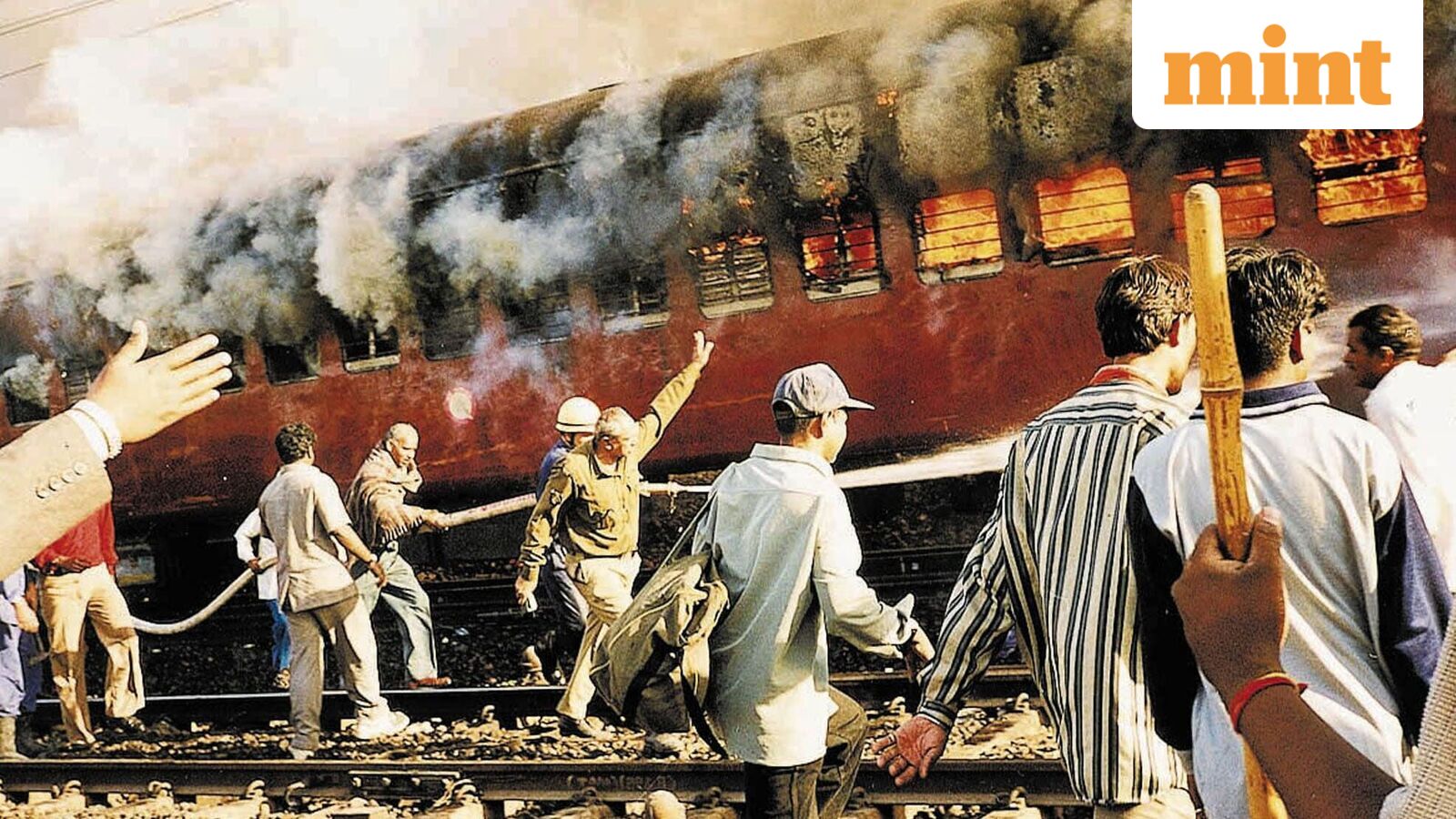
Fire on Sasaram-Patna train gutted one coach. Short circuit suspected. Risk event for Indian Railways could affect PSU stocks and infrastructure project timelines.
A fire gutted one coach of the Sasaram-Patna fast passenger train on Monday morning while the train was parked on platform 6 of Sasaram railway station in Bihar. The Times Now report cited preliminary investigations pointing to a short circuit as the likely cause. Fire tenders extinguished the flames and the situation was brought under control. No casualties were reported.
The incident is an operational risk event for Indian Railways, the state-owned rail network that carries over 23 million passengers daily. A single coach fire, even when contained without injuries, triggers scrutiny of maintenance protocols, rolling stock safety standards, and electrical system reliability across the fleet. For a system already operating near capacity, this type of event can lead to delayed trains, revised schedules on the affected route, and increased inspection requirements that act as a drag on throughput.
For investors, the direct exposure is to Indian Railway public sector undertakings (PSUs) listed on Indian stock exchanges. These include IRCTC, Rail Vikas Nigam (RVNL), Indian Railway Finance Corporation (IRFC) and RailTel. While the fire itself is isolated and unlikely to affect financial fundamentals immediately, it adds to a regulatory risk narrative that can weigh on sentiment. Repeat incidents of coach fires or safety failures can trigger demands from the Indian Parliament for faster replacement of older coaches, higher capital expenditure allocations, or stricter vendor compliance rules – all factors that alter the operating environment for railway-linked stocks. The timeline for escalation depends on the investigative report from the **Commission of inquiry if mishap category is serious.
A transparent causes-of-failure analysis from Indian Railways, followed by a public timeline for retrofitting affected coach models with fire-resistant wiring and automatic fire-suppression systems, would contain the reputational damage. Faster adoption of LHB coaches (which have better fire safety features) across remaining routes would also signal systemic improvement.
A second similar incident within weeks on a different section of the network would imply a wider maintenance gap rather than a single faulty coach. Delayed release of the investigation report or shifting of blame without technical correction would erode passenger and institutional confidence further. For PSU stocks, the price reaction depends on whether this event accelerates the Ministry of Railways' Vande Bharat – era infrastructure replacement plan. A slower-than-expected upgrade schedule would amplify the risk premium priced into these equities.
For market participants tracking Indian railway stocks, the next decision point is the publication of the official investigation findings by the Commissioner of Railway Safety. Until then, this incident remains a watchlist item for operational risk in Indian infrastructure assets, not a catalyst for immediate portfolio action.
The broader context of infrastructure risk events is relevant here. AlphaScala has covered similar operational risk patterns in other sectors, such as the CBI dead end in NSE colocation probe and the Philippines' heat index risks for crops and power. Both cases illustrate how a single failure point of failure, when left without systemic follow-through, can escalate into a multiyear reputational and regulatory drag. Investors in Indian railway-linked securities should monitor whether railway management treats this fire as a one-off or as a signal for deeper asset renewal.
Prepared with AlphaScala research tooling and grounded in primary market data: live prices, fundamentals, SEC filings, hedge-fund holdings, and insider activity. Each story is checked against AlphaScala publishing rules before release. Educational coverage, not personalized advice.