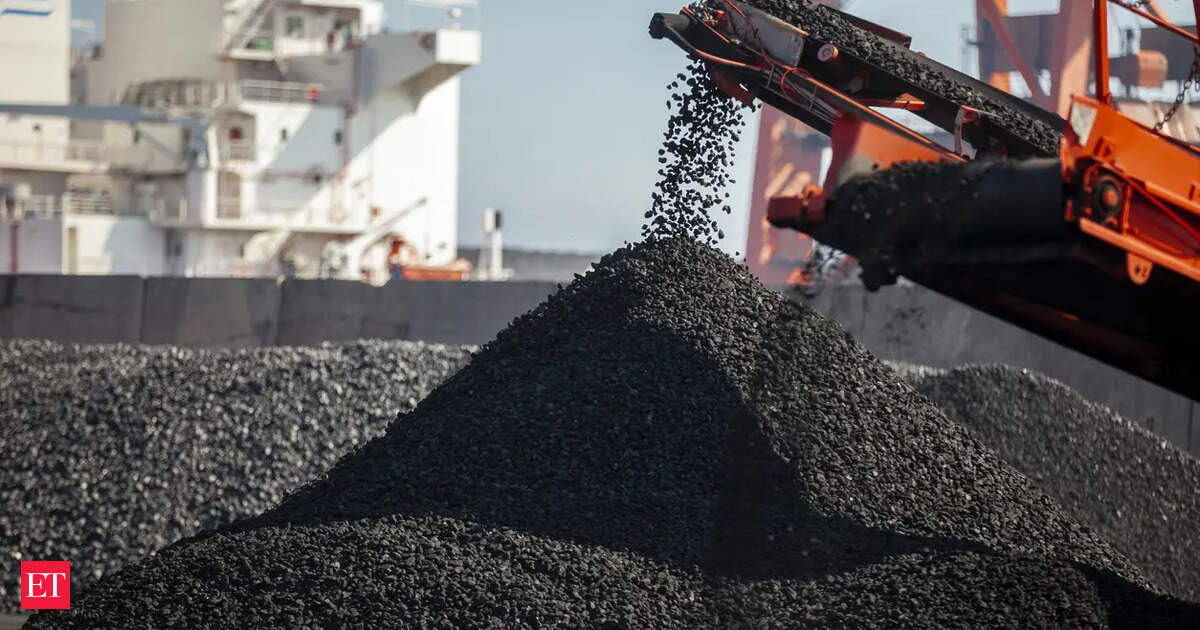
Bharat Coking Coal Shifts Strategy to Incentivize Rail-Based Offtake

Bharat Coking Coal has launched a performance-based incentive scheme to boost rail-based coal offtake and lower costs for power consumers, aiming to stabilize energy supply chains.
Alpha Score of 55 reflects moderate overall profile with moderate momentum, moderate value, moderate quality. Based on 3 of 4 signals — score is capped at 90 until remaining data ingests.
HASBRO, INC. currently screens as unscored on AlphaScala's scoring model.
Alpha Score of 58 reflects moderate overall profile with moderate momentum, moderate value, moderate quality, moderate sentiment.
Alpha Score of 56 reflects moderate overall profile with poor momentum, strong value, strong quality, weak sentiment.
Bharat Coking Coal Ltd, a subsidiary of Coal India, has introduced a performance-based incentive scheme designed to accelerate coal offtake and reduce operational costs for power sector consumers. The program shifts the focus toward volume-based targets, specifically rewarding power companies that increase their coal lifting through rail logistics. By tying financial incentives to quarterly performance metrics, the company aims to stabilize the supply chain and mitigate the logistical bottlenecks that often disrupt power generation schedules.
Optimizing Logistics and Supply Chain Efficiency
The initiative addresses the persistent challenge of coal distribution across the power sector. By prioritizing rail-based transportation, Bharat Coking Coal seeks to bypass the inefficiencies associated with road-based logistics, which are typically more expensive and prone to capacity constraints. This move aligns with broader efforts to ensure that power plants maintain adequate fuel stocks, thereby supporting national energy security and reducing the volatility associated with spot-market procurement.
For power producers, the scheme serves as a mechanism to lower the effective cost of fuel. By hitting specific lifting targets, firms can offset the rising expenses associated with coal procurement and transportation. This structure creates a direct link between operational efficiency at the plant level and the overall cost of electricity generation. The focus on quarterly targets provides a predictable framework for power companies to manage their fuel inventory and budget for energy inputs.
Strategic Implications for Energy Markets
This policy shift reflects a broader trend among state-linked energy entities to prioritize market stability over short-term margin expansion. By absorbing some of the logistical cost burden, the subsidiary is positioning itself to maintain consistent demand from industrial consumers. This approach is critical as the domestic power sector faces increasing pressure to meet rising electricity demand while managing fuel price fluctuations. The success of this incentive structure will likely be measured by the reduction in inventory gaps at major power plants and the stabilization of rail-based delivery timelines.
Market participants should monitor the adoption rates of this scheme among major power utilities. If the incentive structure effectively shifts a significant portion of coal movement from road to rail, it could lead to a more resilient power grid and reduced fuel-related disruptions. The next concrete marker for this initiative will be the first round of quarterly performance reporting, which will reveal whether the financial incentives are sufficient to alter long-standing procurement behaviors among power producers.
AlphaScala currently tracks several key players in the technology and healthcare sectors, including NOW stock page with an Alpha Score of 56, AS stock page at 47, and A stock page at 55. While these firms operate in different industries, the broader stock market analysis suggests that supply chain optimization remains a primary driver of valuation across all capital-intensive sectors. As energy costs remain a significant variable for industrial output, the ability of companies to secure reliable and cost-effective fuel supplies will continue to influence their competitive positioning.
AI-drafted from named sources and checked against AlphaScala publishing rules before release. Direct quotes must match source text, low-information tables are removed, and thinner or higher-risk stories can be held for manual review.