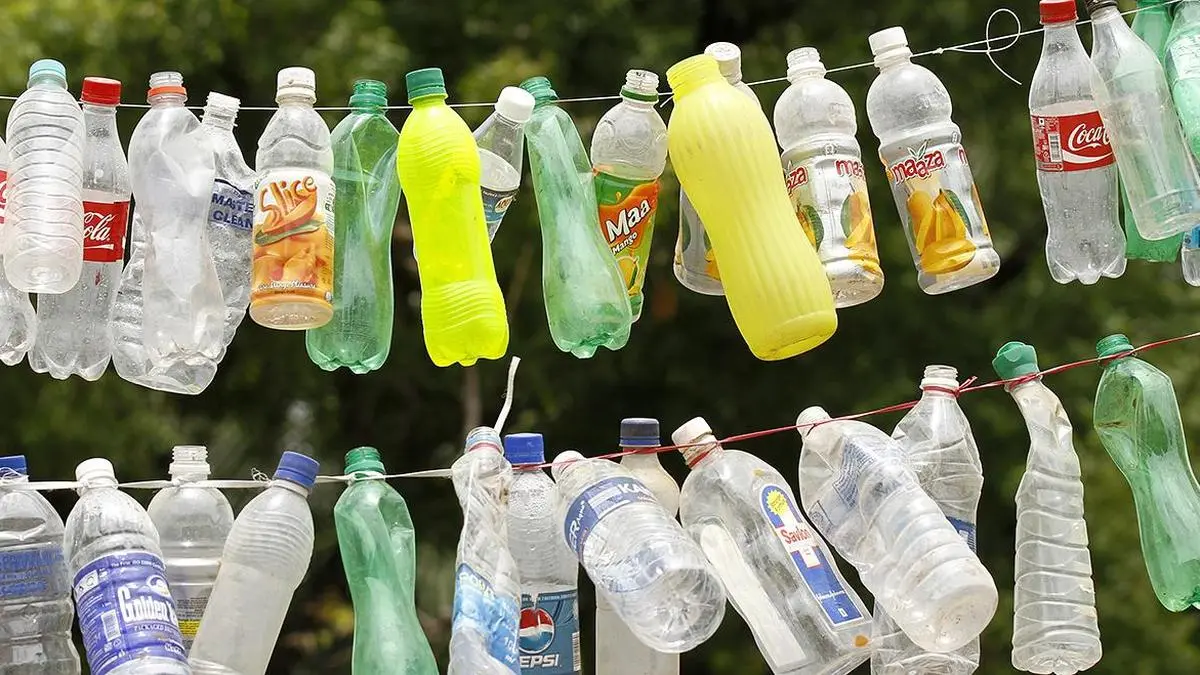
The beverage industry has formally signaled that current regulatory targets for recycled polyethylene terephthalate (rPET) content in packaging are becoming increasingly difficult to achieve. Industry participants report that the global supply of food-grade recycled material is failing to keep pace with the aggressive legislative timelines mandated by various government bodies. This supply-demand mismatch creates a structural hurdle for companies attempting to balance sustainability commitments with operational feasibility.
Supply Chain Constraints for Food-Grade Polymers
The core of the issue lies in the scarcity of high-quality, food-grade recycled plastic. While mechanical recycling processes are well-established, the output often fails to meet the stringent safety and purity standards required for direct food and beverage contact. Beverage manufacturers are now navigating a market where the competition for this limited supply has intensified, driving up input costs and complicating long-term procurement strategies.
Industry bodies are advocating for a recalibration of these targets to align with the current reality of the recycling infrastructure. Without an expansion in collection systems and advancements in chemical recycling technologies, the industry faces a potential compliance crisis. The current bottleneck is not a lack of intent but a physical limitation in the processing capacity of the global supply chain.
Operational Impact and Regulatory Path
For major beverage producers, the inability to source sufficient rPET directly impacts their ability to meet public-facing environmental, social, and governance (ESG) goals. Many firms have tied their capital expenditure plans to these sustainability targets, assuming a steady increase in the availability of recycled materials. The current shortfall forces a pivot in strategy, as firms must now weigh the costs of non-compliance against the premium pricing of scarce recycled resins.
This development highlights a broader tension between aggressive climate policy and the practical limitations of industrial circularity. Investors should monitor the following areas for further clarity on how this sector manages the transition:
- The potential for regulatory bodies to introduce flexible compliance timelines or credit-based systems.
- Shifts in capital allocation toward proprietary recycling technologies or partnerships with waste management firms.
- The impact of rising resin costs on gross margins for companies with high exposure to plastic packaging.
AlphaScala data indicates that companies with diversified packaging portfolios have shown higher resilience to input cost volatility compared to those reliant on single-stream plastic solutions. As firms adjust their procurement models, the focus will shift toward the next round of legislative reviews where government agencies will decide whether to maintain current mandates or provide relief to the industry. The upcoming policy updates will serve as the primary indicator for how beverage producers manage their stock market analysis and long-term packaging strategies in the face of persistent supply constraints.