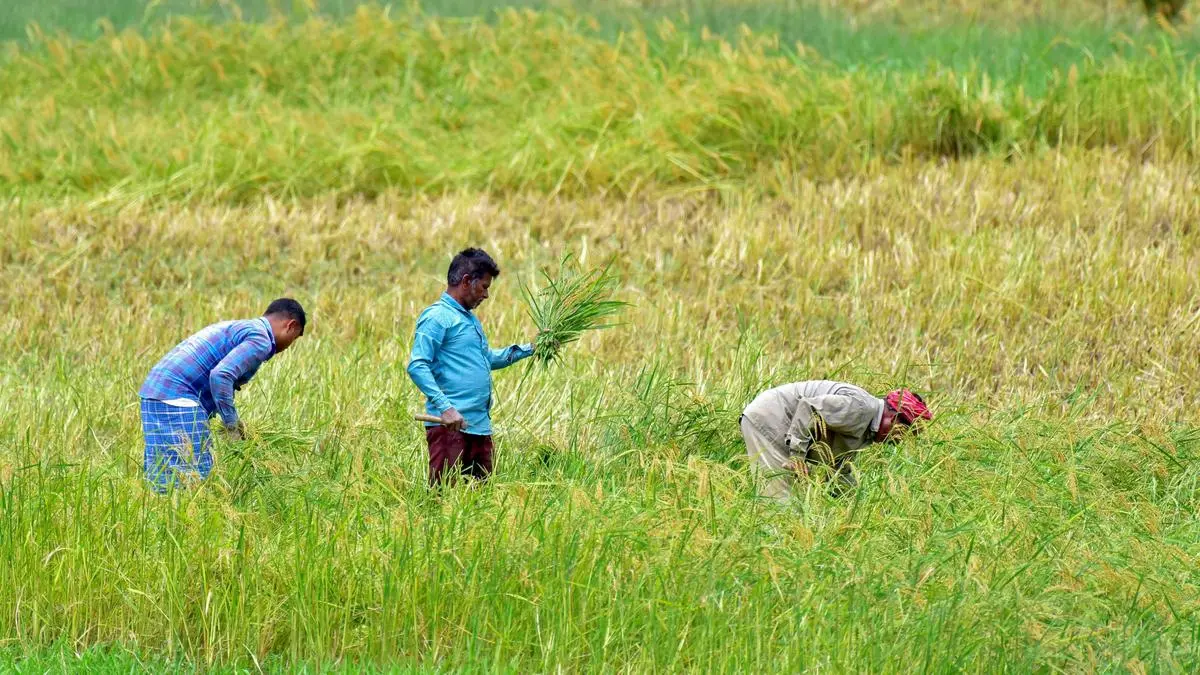
India is shifting its approach to agricultural waste management by converting millions of tonnes of crop residue into renewable energy. This transition targets the massive volumes of stubble left behind from rice and wheat harvests. Rather than allowing this biomass to be burned in fields, which contributes to seasonal air quality crises, the government is incentivizing its collection for industrial use.
Scaling Biomass Energy Infrastructure
The strategy relies on the deployment of decentralized processing units that convert agricultural waste into compressed biogas and biofuels. By establishing a supply chain for crop residue, India aims to create a circular economy that provides farmers with a secondary income stream while reducing reliance on imported fossil fuels. The infrastructure buildout focuses on integrating these biomass plants into the existing energy grid to ensure consistent power delivery.
This initiative serves as a critical component of the broader national energy transition. The ability to process organic waste at scale offers a solution to both waste management challenges and energy security concerns. Success depends on the efficiency of collection logistics and the ability of processing facilities to maintain operational viability throughout the harvest cycles.
Economic Impact on Rural Markets
Transitioning to a waste-to-energy model alters the economic landscape for rural agricultural regions. Farmers are moving from a disposal-focused mindset to one where crop residue functions as a tradable commodity. This shift requires significant investment in machinery for baling and transporting biomass from remote fields to processing centers.
Investors are monitoring the development of these supply chains as a proxy for the growth of the renewable energy sector in India. The integration of agricultural waste into the energy mix provides a hedge against volatile global fuel prices. The next major milestone for this sector involves the expansion of long-term purchase agreements between biomass plant operators and state-run energy distributors. These contracts will determine the long-term profitability of the waste-to-energy conversion model and dictate the pace of future facility construction across the country. For more on broader trends, see our stock market analysis.