Commodities● Neutral
Betting Markets Raise Odds of Hormuz Reopening by Late Summer
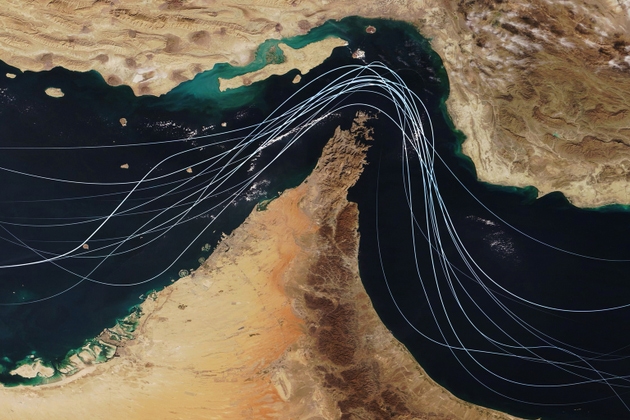
Kalshi traders raise odds that Strait of Hormuz shipping normalizes by late summer on U.S.-Iran interim deal talks. For CL1 crude, the risk premium shifts. What to watch next.
Continue with
Kalshi prediction market traders have raised the probability that Strait of Hormuz shipping returns to normal by late summer. The shift is tied to fresh U.S.-Iran interim deal discussions. For CL1 crude oil futures, this directly reduces the supply risk premium embedded in prices. The waterway handles roughly one-fifth of global oil traffic. A return to normal flows would remove a key bullish driver.
Kalshi Odds Shift on U.S.-Iran Deal Talk
The simple read: if tanker traffic resumes without incident, oil supply increases and prices decline. That logic has already pushed crude lower on earlier Hormuz headlines, as covered in our past analysis of Strait of Hormuz Hopes Send Oil Below $95, Lift Airlines.
The better market read requires a closer look at the mechanism. Kalshi odds are not a price forecast. They represent the market’s assessment of a binary event – will shipping normalize by September 30? The shift from lower to higher probability changes how commodities trading teams size hedges and how inventory managers decide whether to hold or release strategic stocks. It alters the expected value of the disruption tail risk, not the spot price directly.
An interim deal would likely involve the U.S. easing certain sanctions in exchange for Iran halting enrichment steps. The Strait of Hormuz shipping guarantee would serve as a de-escalation signal. Betting markets now price that scenario as more probable. The path has clear failure points. Iran has walked away from similar talks before. The U.S. administration faces domestic political resistance to any concessions.
How the Risk Premium Adjusts for CL1
For oil futures, the odds shift acts as a supply risk calibrator. A full normalization by late summer would remove the risk premium that analysts attribute to Hormuz tension. That premium varies but traders often estimate it in the $2–$4 per barrel range for Brent and WTI. If talks stall, that premium snaps back and prices rally. The asymmetry matters. Downside from normalization is limited by OPEC+ spare capacity. Upside from failed talks could be amplified by already tight inventory levels.