Stocks● Neutral
Best and Worst Ways to Use Extra Home Space, Per Designers
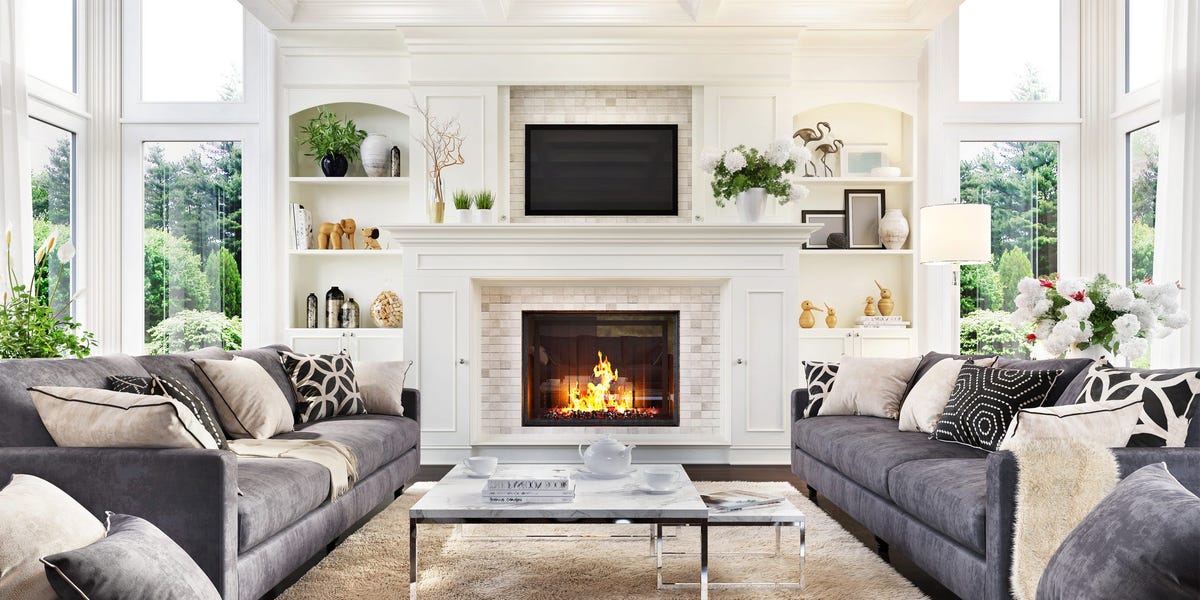
Interior designers share the best and worst ways to use extra space in your home, from closet organization to avoiding built-in furniture that hurts resale value.
Continue with
Interior designers see a lot of mistakes in how homeowners fill extra square footage. The most common error: adding furniture without a plan. The best approach: treat the space as a problem to solve, not a void to fill.
Mark Cutler, an interior designer at CutlerSchulze, said the first fix is often the closet. Homeowners stuff every inch of a large closet, then complain about clutter. His advice: store off-season clothes separately, use vacuum bags under the bed, and keep only the current wardrobe in the closet. "Having all that extra space means you should be able to space out your wardrobe," Cutler said.
Betty Brandolino, founder of Fresh Twist Studio, focuses on storage that doubles as display. She recommends bookshelves with lower cabinets or drawers, and using baskets for hidden storage. "We love to style bookshelves with decor items, baskets, picture frames, and, of course, books. It's all about scale, color, and texture," she said. Adding wallpaper to the back of a bookcase can give the piece extra definition.
Amanda Oninski, an interior designer at FLOOR360, sees primary suites with empty corners that could become meditation areas. A custom-cut area rug serves as a floor cushion, and window treatments adjust the light. The goal is calm, not another piece of furniture.
Charli Hantman, owner of August Black Interior Design, said the instinct to fill every corner with a large sofa or armchair is wrong. Wall art and sculptures create depth without crowding the floor. Gallery walls can bring personality to a room without adding furniture.