Bessent and Reeves Clash Over Iran Conflict Economic Toll
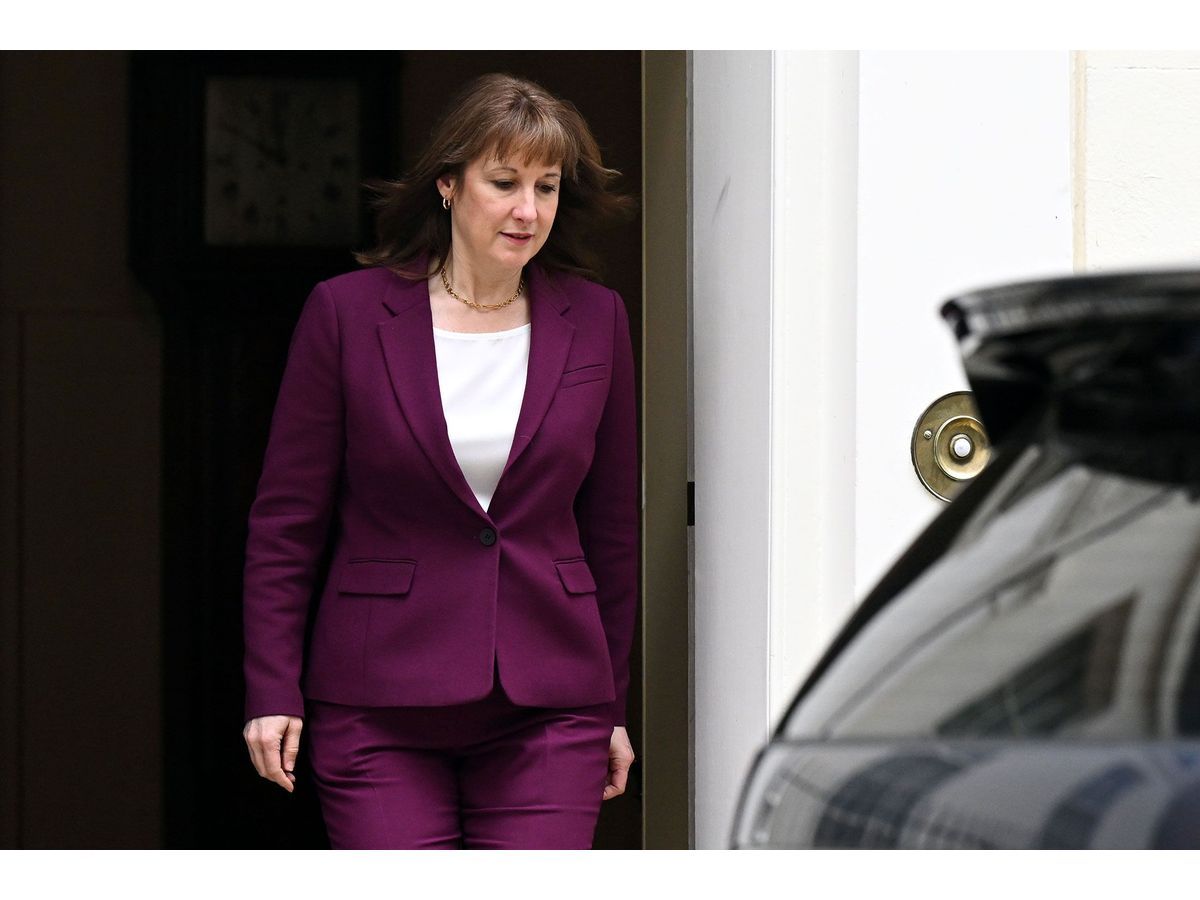
Treasury Secretary Scott Bessent and UK Chancellor Rachel Reeves are set for a contentious meeting as they diverge on the economic costs of the ongoing Iran conflict.
Alpha Score of 45 reflects weak overall profile with strong momentum, poor value, poor quality, weak sentiment.
Alpha Score of 47 reflects weak overall profile with moderate momentum, poor value, moderate quality. Based on 3 of 4 signals — score is capped at 90 until remaining data ingests.
Alpha Score of 55 reflects moderate overall profile with moderate momentum, moderate value, moderate quality. Based on 3 of 4 signals — score is capped at 90 until remaining data ingests.
Alpha Score of 57 reflects moderate overall profile with moderate momentum, moderate value, moderate quality, moderate sentiment.
US Treasury Secretary Scott Bessent signaled that the ongoing conflict with Iran is a price worth paying for long-term stability, characterizing the risk as a “small bit of economic pain.” This stance creates a clear diplomatic friction point ahead of his scheduled meeting with UK Chancellor of the Exchequer Rachel Reeves, who has expressed concerns regarding the broader inflationary impact on the British economy.
The Divergence on Geopolitical Risk
Bessent’s comments suggest the US Treasury is prioritizing the containment of Iranian regional influence over immediate market volatility. For traders, this implies a willingness to accept higher energy price premiums if it translates to a more stable security environment. Chancellor Reeves, however, is operating under a different set of fiscal constraints. With the UK economy already struggling with stagnant growth and persistent public spending pressures, the prospect of a supply-side shock to energy markets is viewed as a significant threat to her domestic agenda.
Market participants should evaluate the potential for this disagreement to spill over into broader policy coordination. When the US and UK diverge on the acceptable cost of conflict, it complicates the G7's ability to present a unified front on sanctions or energy price caps. If the UK pushes for a more cautious approach to avoid further inflationary spikes, it could lead to increased volatility in the crude oil profile as the market attempts to price in the duration and intensity of the conflict.
Market Implications and Asset Correlations
Traders should monitor the following areas for signs of stress resulting from the US-UK policy gap:
- Energy Markets: Sustained upward pressure on Brent and WTI if the US maintains a hawkish stance on Iran, potentially decoupling from global demand forecasts.
- GBP/USD Dynamics: Any indication that the UK is pushing back against US-led sanctions could weigh on the Pound, as investors fret over the impact of higher energy costs on the UK current account.
- Safe-Haven Positioning: Increased demand for XAU/USD as investors seek a hedge against potential escalation that official policy statements fail to fully discount.
Data to Watch
The immediate focus for the market will be the readout from the Bessent-Reeves meeting. Any softening of the US position would likely be interpreted as a relief for global markets, while a firm doubling-down from Bessent may force a repricing of risk premia across European indices. Monitor the following:
| Indicator | Market Impact |
|---|---|
| Official G7 Joint Statement | High volatility in oil and FX |
| UK CPI Prints | Sensitivity to energy price shocks |
| US Treasury Yields | Reaction to defense spending rhetoric |
Traders watching the gold profile will note that bullion remains the primary beneficiary of geopolitical uncertainty when major central banks and treasuries are not in lockstep. The divergence between the US and UK suggests that the market may need to adjust its outlook for how long regional instability will be allowed to persist before economic pressures force a change in diplomatic calculus.
Ultimately, the market is betting on whether the 'economic pain' Bessent references will remain contained or if it will evolve into a systemic risk that forces a shift in central bank rate expectations.
AI-drafted from named sources and checked against AlphaScala publishing rules before release. Direct quotes must match source text, low-information tables are removed, and thinner or higher-risk stories can be held for manual review.