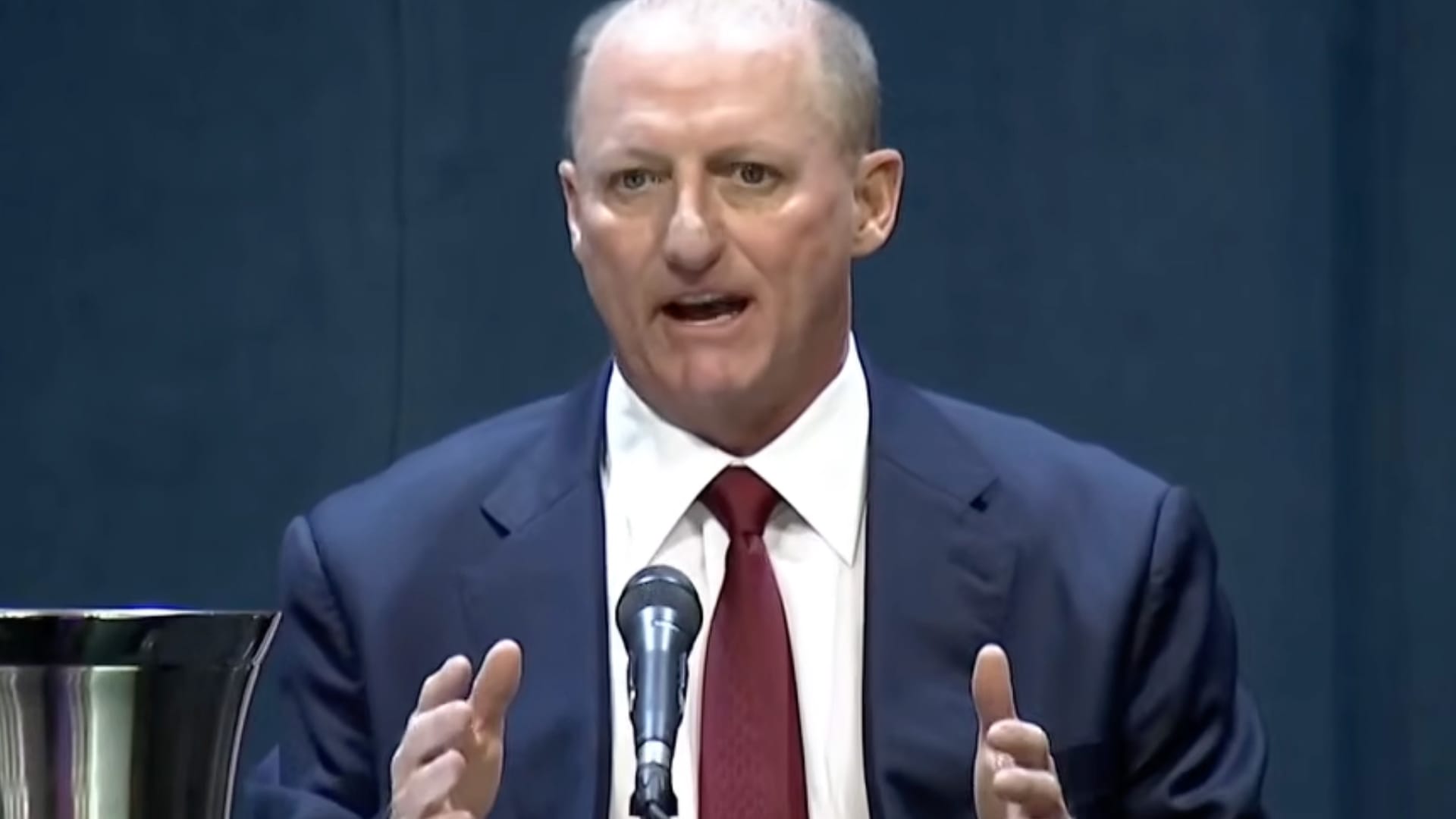
Berkshire Hathaway agreed Sunday to acquire Taylor Morrison Home in an all-cash deal valued at $6.8 billion, the conglomerate’s largest strategic move under CEO Greg Abel. Berkshire will pay $72.50 per share, a 24% premium to Taylor Morrison’s May 29 close, and plans to close the transaction in the second half of 2026.
The acquisition lands at a moment of deep uncertainty in U.S. housing. Mortgage rates remain elevated and affordability is stretched, yet the deal signals that Berkshire sees a cyclical turn ahead. The read-through is not about one homebuilder–it is about the logic of committing $400 billion of cash into a sector that has been in a multi-year downturn.
Taylor Morrison and the housing signal
Taylor Morrison operates in the site-built homebuilding segment, a profile that fits neatly alongside Berkshire’s existing housing assets. The conglomerate already owns Clayton Homes, the largest manufactured-home builder in the U.S., plus a portfolio of building-product companies and Berkshire Hathaway HomeServices, one of the country’s top real estate brokerage networks. This deal effectively consolidates the site-built piece of the housing puzzle under one platform.
The premium suggests Berkshire believes the market is mispricing the recovery timeline. A 24% upfront markup is not a passive bet; it is a conviction that pent-up demand will overwhelm current headwinds from rates and supply constraints.
A market read on capital allocation
The better read centers on Abel’s capital allocation pattern. This is his first major M&A move since taking the CEO role early in 2026, and it mirrors the scale of Berkshire’s last big deal–the $9.7 billion OxyChem acquisition from Occidental Petroleum in October 2025. Both are cash-financed, both target cyclical industries, and both imply a bet on a recovery that consensus is not pricing in.
Berkshire’s cash pile, nearing $400 billion, makes the $6.8 billion outlay modest relative to its balance sheet. The structure–all cash, no stock–eliminates execution risk tied to equity market volatility. The risk is timing: if housing demand remains sluggish through 2026, the premium paid today will take longer to earn back.
Sector read-through: homebuilders and linked subsectors
For the homebuilding sector, the deal provides a valuation floor. If Berkshire sees $72.50 as a reasonable entry price, other large public builders with similar land positions and margin profiles could become relative value plays. The read-through is strongest for national-scale builders that rely on entry-level and move-up buyers, the same demographic Taylor Morrison targets.
Building-products suppliers also get a indirect lift. A unified Berkshire housing platform could consolidate procurement, pressuring smaller suppliers but creating steady volume for larger ones. Real estate brokerage is less directly affected, but Berkshire Hathaway HomeServices gains a seamless construction-to-sale pipeline in markets where Taylor Morrison is active.
AlphaScala data context
Berkshire Hathaway Class B shares (BRK.B) carry an Alpha Score of 50 out of 100, rated Mixed, within the Financials sector. That score does not flag a clear directional edge, which is consistent with the deal’s binary outcome–either the housing cycle turns and the premium pays off, or it stalls and the capital is locked up at a cyclically poor price. The OXY stock page, reflecting the OxyChem deal partner, also scores 47/100 (Mixed).
What confirms the housing bet
The next decision point is the closing timeline. The second half of 2026 gives room for housing data to confirm or weaken the thesis. If starts and permits begin to recover by Q1 2026, the premium will look prescient. If rates stay sticky and job growth softens, Berkshire’s cash will have bought a cyclical trap. Watch the mortgage rate trajectory and existing home sales as the two lead indicators that will decide whether this deal was cycle timing or value trapping.