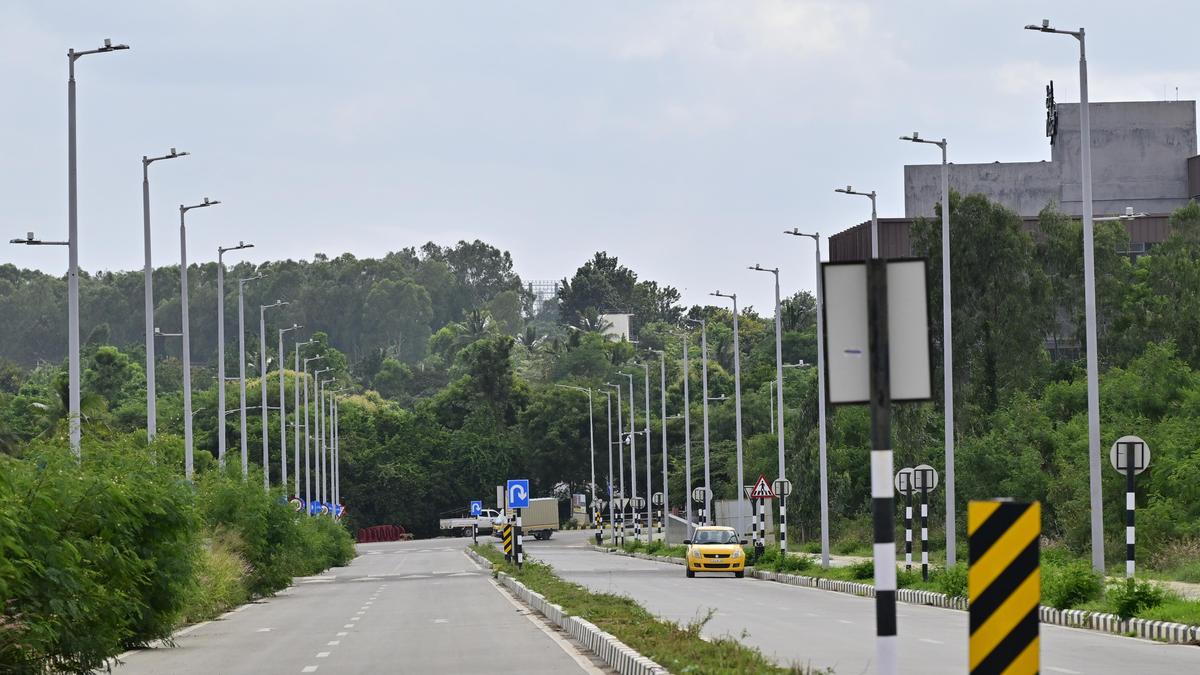
Bengaluru is experiencing a structural shift in its climate profile as the urban heat island effect drives up minimum temperatures and extends the duration of seasonal heat. While the city faces no immediate water crisis for the current year, the change in thermal baseline marks a departure from its historical status as a temperate retirement hub.
Urban Heat Island Mechanics and Infrastructure
The rising minimum temperatures indicate that the city is failing to cool down effectively overnight. This phenomenon is a direct consequence of rapid urbanization, where concrete and asphalt surfaces absorb solar radiation during the day and release it slowly after sunset. For local infrastructure and utility providers, this creates a persistent demand floor for cooling energy that was not present in previous decades.
While the current water supply remains stable, the shift in climate patterns forces a re-evaluation of long-term resource management. The reliance on traditional rainfall patterns is becoming less reliable as the urban landscape alters local microclimates. This is a common challenge for rapidly expanding metropolitan areas, often seen in stock market analysis regarding regional utility resilience and municipal bond stability.
Economic and Operational Read-Throughs
The transition from a mild climate to one defined by heat stress has tangible implications for commercial and residential real estate. Properties that were previously marketed on the basis of climate comfort must now account for higher operational costs related to climate control. This shift impacts the valuation of assets that lack modern, energy-efficient thermal insulation or adequate water-harvesting infrastructure.
For businesses operating in the region, the primary risk is not a sudden supply shock but a gradual increase in the cost of doing business. Energy consumption patterns are becoming more volatile, and the necessity for investment in sustainable urban planning is moving from a secondary concern to a primary operational requirement. The ability of local authorities to mitigate these heat effects through green cover and improved water management will dictate the long-term livability and economic productivity of the city.
Investors should monitor how local development policies evolve in response to these thermal trends. The next concrete marker will be the integration of heat-mitigation requirements into new zoning laws and infrastructure projects. If these measures are delayed, the cost of retrofitting existing urban density will likely fall on the private sector, potentially impacting margins for developers and long-term utility costs for residents.