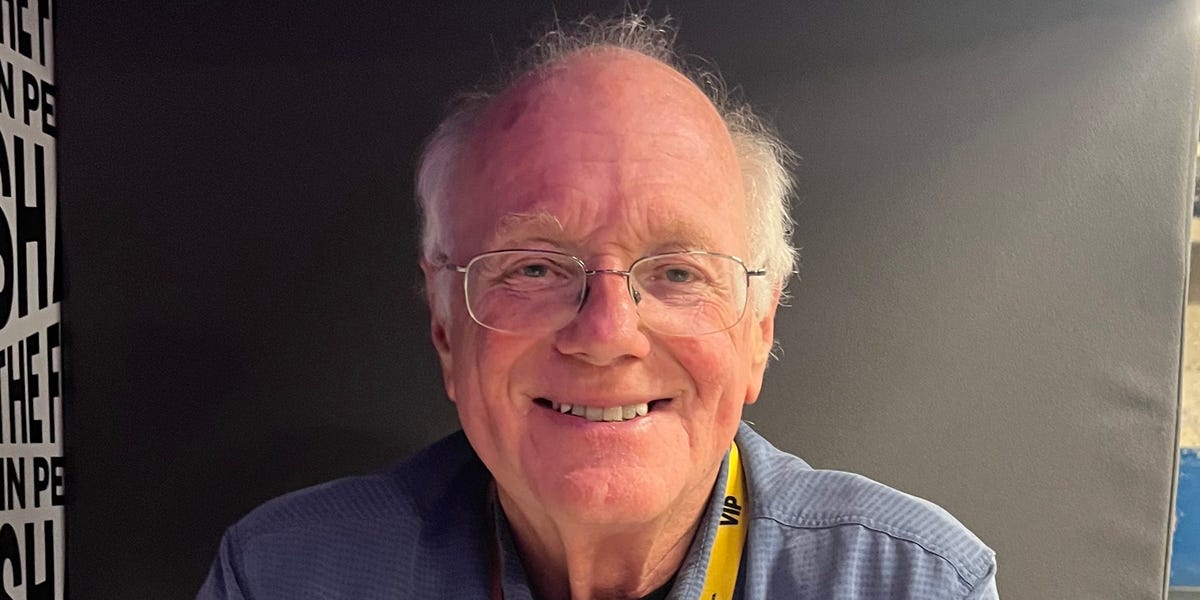
Ben Cohen has a blunt warning for anyone eyeing app-based gig work as a long-term career. The Ben & Jerry's cofounder said young people should chase passion over a paycheck, in part because autonomous vehicles are about to hollow out jobs like ride-hail driving.
Speaking on the sidelines of the SXSW London festival in early June, Cohen said becoming an Uber driver could backfire as Waymo and other self-driving fleets scale. The logic is straightforward: a job that exists only because a human sits behind the wheel disappears once the car drives itself.
"Follow your passion, not the money," Cohen said. He argued that a career built around a defensible skill – something a robot or algorithm cannot easily replicate – offers better long-term security than chasing the highest immediate wage.
The advice lands at a moment when the labor market is absorbing a wave of automation anxiety. Ride-hail driving, food delivery, and warehouse picking are among the roles most frequently cited in studies of AI-adjacent displacement. Cohen's point is that the window for turning those gigs into a career is closing.
The same logic could apply to the company that bears his ice cream brand, though Cohen has been out of Unilever's Ben & Jerry's operation for years. In a 2024 interview he told the AP business news service that the brand had "lost its social mission" under corporate ownership.
Cohen's career message has more immediate relevance for the ride-hail industry. Uber's stock page shows an Alpha Score of 49, a mixed signal that reflects the tension between its current cash flow dominance and the long-term threat from autonomous competitors. In July 2024 Waymo expanded its San Francisco service area and its Phoenix robotaxi fleet passed 50,000 paid weekly trips.
The median gig driver in the U.S. earns roughly $16 an hour after vehicle costs, according to academic research published last year by the Economic Policy Institute. Against that math, Cohen's argument is less about idealism and more about compound odds: a career pays off over decades, not quarters, and the bet on a skill that machines cannot mimic has a wider margin of safety.
He offered no silver bullet. Passion careers do not always pay the bills, and few people can start a global brand from a Vermont gas station the way Cohen and Jerry Greenfield did in 1978. The question for a 22-year-old choosing between a $30-an-hour delivery shift and a $40,000 entry-level job in an industry they care about is whether the machine-proof skill is real.
Cohen's answer: real enough that the paycheck-only route is the bigger risk.