Stocks● Neutral
Bell's Lesson on Failure: Look Away From the Closed Door
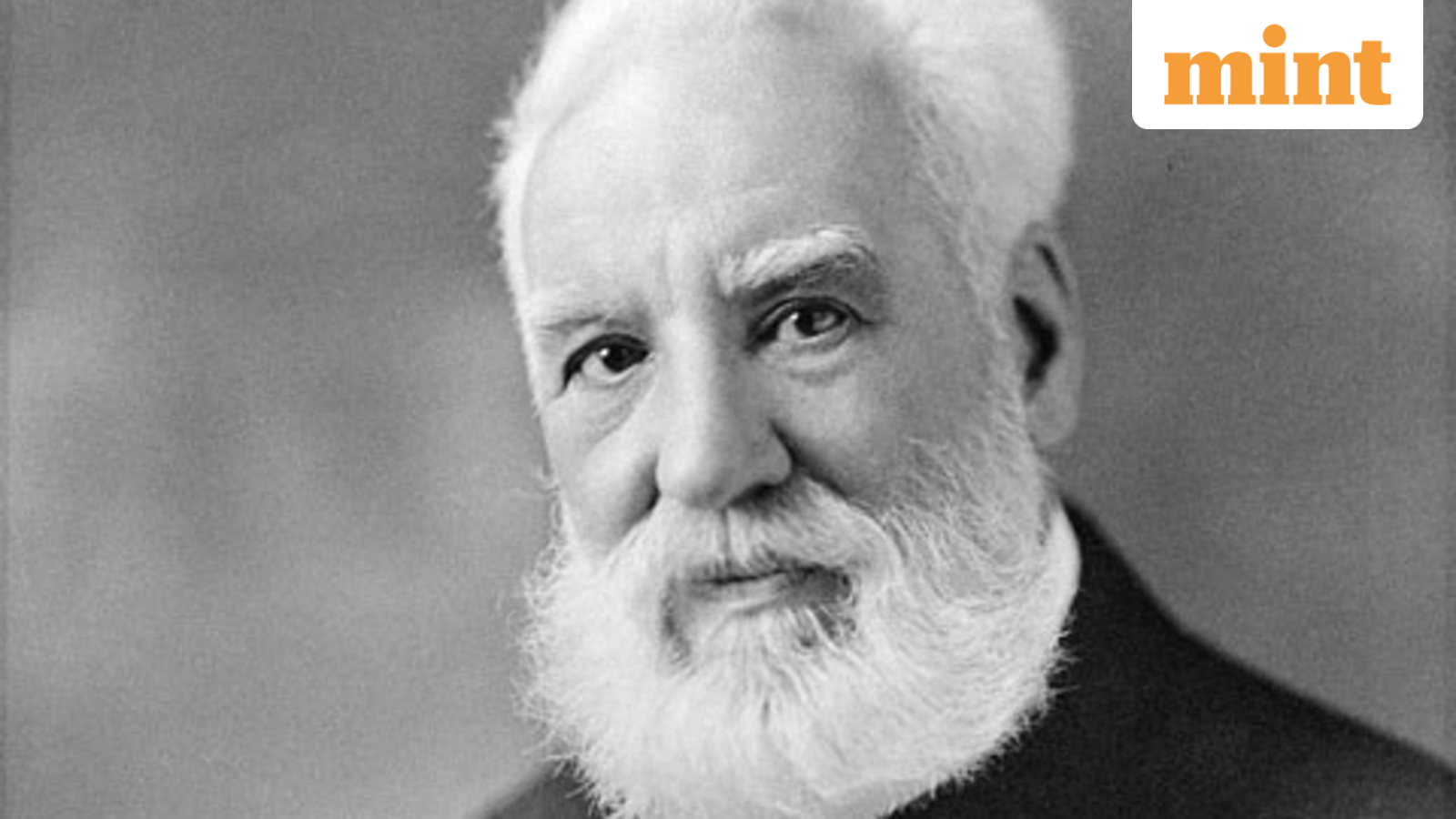
Alexander Graham Bell's quote about closed doors is not a promise of better things. It is a pointed warning about where we place our attention after a loss.
Continue with
Alexander Graham Bell's line about closed doors reads like reassurance. It sounds like a promise that every loss makes room for a gain. Read closely, he is not promising anything. He is pointing at a habit of attention: "When one door closes, another door opens; but we so often look so long and so regretfully upon the closed door, that we do not see the ones which open for us."
Bell was born in Scotland in 1847 and became famous for the telephone. The achievement did not fix his attention. He continued experimenting across science and technology, with a particular interest in speech and acoustics. Education also occupied him. His career was a running illustration of the quote: each line of inquiry eventually closed, and he moved to the next without spending years mourning the old one.
The quote is not about comfort. It is about where the mind goes after an ending. When a project dies or a job disappears, the first instinct is to study the loss. The same happens after a relationship ends. We replay the decision, wonder about the timing, ask what could have been said differently. Some reflection is useful. At a certain point it becomes a loop, and the loop blocks the view.
Endings change the set of options. Once one path closes, the remaining paths may look less attractive simply because they are unfamiliar. A career change can feel like a step backward. A new responsibility can seem inconvenient. New possibilities rarely arrive dressed as identical replacements. They ask for a closer look.
Bell's sharpest observation is not that a new door opens. It is that we keep looking at the old one long enough to miss the new one.