Strategic Adjustments in the Face of Supply Volatility
In a tactical move to maintain domestic energy security and sustain industrial fuel output, Beijing has authorized additional crude oil import quotas for independent refiners—the so-called 'teapots.' This policy adjustment serves as a critical counterbalance to the tightening availability of Iranian crude, which has historically provided a low-cost feedstock for China’s massive independent refining sector.
For the market, the move signals that the Chinese government is prioritizing operational stability within its refining complex. By granting these supplemental quotas, Beijing is effectively providing a release valve for refiners struggling to source discounted barrels, ensuring that national fuel production mandates remain uncompromised despite the evolving geopolitical and logistical complexities surrounding Iranian imports.
The 'Teapot' Dilemma and Iranian Reliance
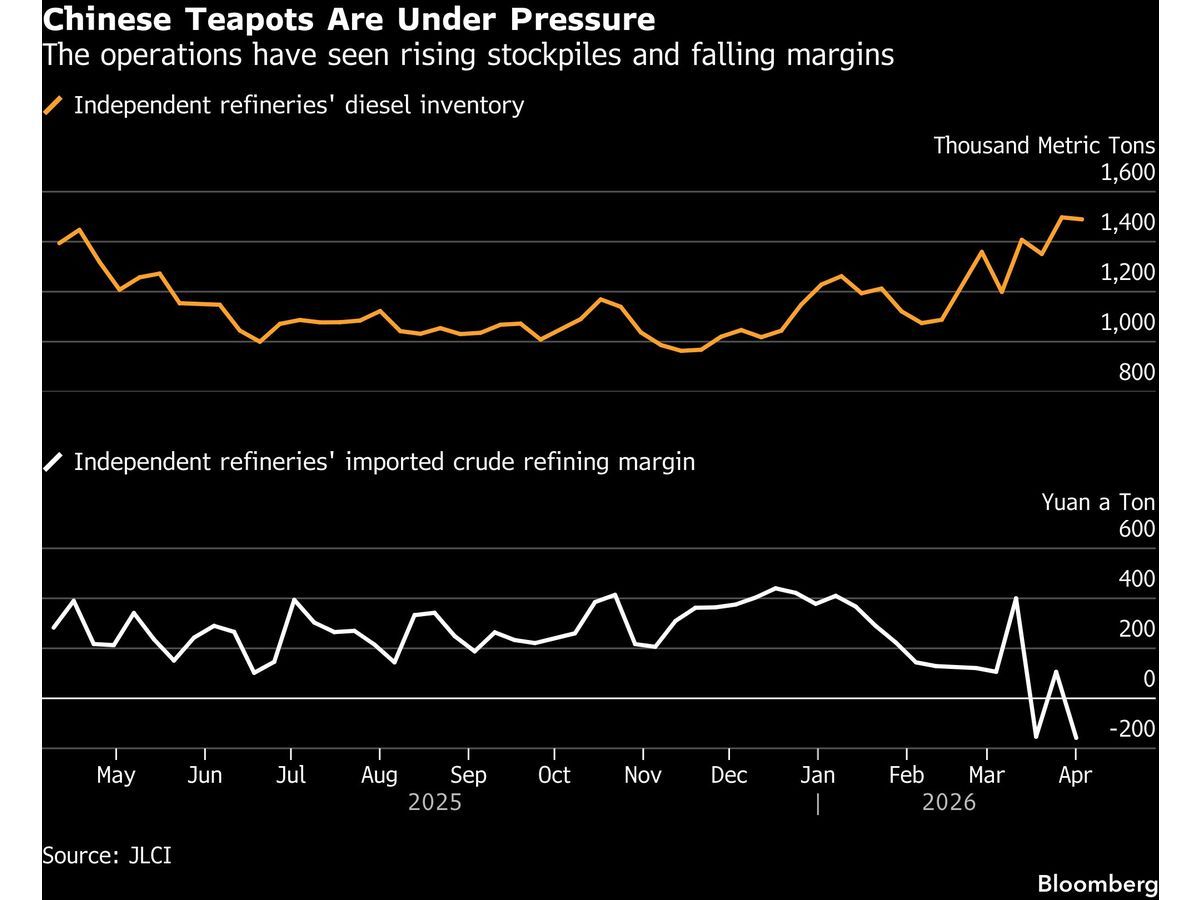
Independent refiners, located primarily in Shandong province, have long relied on Iranian crude to maintain competitive margins. These volumes, often characterized by significant discounts, have been a staple for the sector, allowing them to operate profitably even when global benchmark prices face upward pressure. However, recent shifts—ranging from stricter enforcement of sanctions to logistical bottlenecks—have constrained the flow of Iranian oil into the Chinese market.
When these supplies tighten, the 'teapots' face an existential challenge: either reduce throughput, which risks failing to meet government-mandated production targets, or source more expensive alternatives from the international market, which erodes their bottom line. The issuance of these additional import quotas represents a direct intervention by Beijing to mitigate this margin squeeze, allowing refiners to pivot toward other suppliers without the financial burden of exhausting their strictly managed annual allowances.
Why This Matters for Global Energy Traders
For global energy traders, the implications of this policy shift are three-fold. First, it highlights the resilience of China’s appetite for crude. Despite domestic economic headwinds, Beijing remains committed to ensuring its refining sector functions at high capacity. This suggests a floor for crude demand that traders must account for when modeling global supply-demand balances.
Second, the move underscores the sensitivity of the Chinese market to the 'Iran premium.' If independent refiners are forced to look elsewhere for their crude requirements, it effectively shifts the global demand curve toward other producers, potentially impacting the price spreads between various crude grades. Traders should monitor whether this shift leads to increased demand for West African or Russian crudes, which are often the primary alternatives for these independent players.
Finally, the government’s willingness to adjust quota allocations mid-cycle demonstrates that Beijing is closely monitoring the health of its refining sector. It is a reminder that in the Chinese energy market, policy and regulation act as the primary movers of supply, often overriding standard market signals.
Forward Outlook: Monitoring Quota Utilization
Moving forward, the primary metric for market participants will be the utilization rates of these new quotas. While the issuance of the permits is a positive signal for supply, the actual impact on global oil prices will depend on how quickly these refiners can secure and process alternative cargoes.
Analysts will be watching for any signs of further quota expansions in the coming quarters. Should the supply crunch from Iran persist, or if geopolitical tensions continue to disrupt traditional trade routes, Beijing may be forced to release even larger volumes to prevent a domestic fuel shortage. For now, the market remains in a state of watchful waiting, as traders assess whether this intervention will be sufficient to stabilize the independent refining sector for the remainder of the fiscal year.