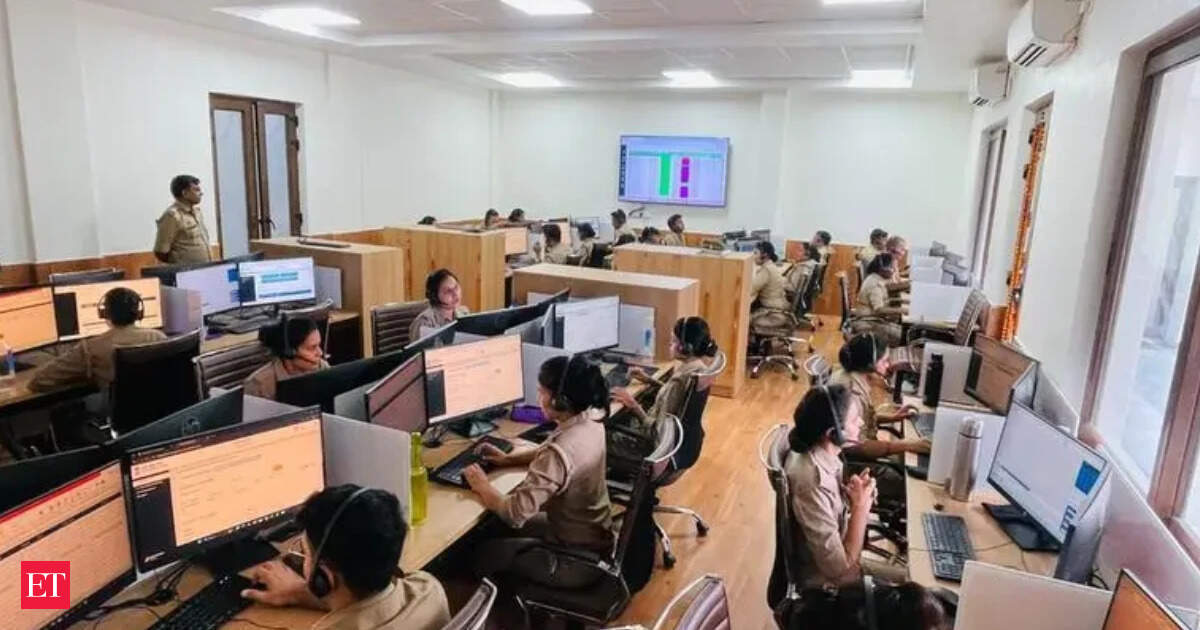
The new bob SAMVAD platform bridges linguistic gaps to drive financial inclusion. Expect improved efficiency and customer retention across rural markets.
Bank of Baroda (BoB), one of India’s largest public sector lenders, has officially entered the next phase of its digital transformation strategy with the launch of 'bob SAMVAD.' This sophisticated, AI-powered platform is designed to dismantle the long-standing linguistic hurdles inherent in a nation as diverse as India, fundamentally altering the nature of in-branch customer service.
As the banking sector continues to balance aggressive digital expansion with the necessity of maintaining physical branch footprints, BoB is leveraging artificial intelligence to bridge the gap between complex banking terminology and the regional language requirements of its vast customer base. By integrating real-time translation capabilities, the bank is positioning itself to capture a wider demographic, particularly in rural and semi-urban markets where language remains a significant barrier to financial inclusion.
The core of the bob SAMVAD initiative is a robust AI engine capable of facilitating seamless communication between bank officials and customers. The platform supports 22 Indian languages, enabling real-time, bidirectional translation. Whether a customer prefers to voice their query or input text via a digital interface, the platform processes the information instantly, allowing staff to respond in their preferred language while the system handles the linguistic conversion.
This technology is not merely a translation tool; it represents a functional upgrade to the branch experience. By allowing customers to interact in their native tongue, BoB aims to reduce friction in complex service requests—such as loan applications, account queries, or investment inquiries—where misunderstandings can lead to significant operational delays or customer dissatisfaction.
For investors and market analysts, this development is indicative of a broader trend in the Indian banking sector: the shift toward 'hyper-localization.' As public sector banks face increasing competition from agile, tech-first private lenders and fintech startups, the ability to offer a personalized, accessible experience at scale is a critical competitive advantage.
Historically, banking in India has been heavily reliant on English or Hindi, which often alienates non-native speakers in diverse states. By removing this barrier, Bank of Baroda is effectively expanding its addressable market and improving the efficiency of its overhead-heavy branch network. Reduced wait times and improved query resolution rates are expected to drive higher customer stickiness, a metric that is increasingly scrutinized by analysts evaluating the long-term health of retail banking franchises.
While the implementation of bob SAMVAD is a technological move, the implications are deeply financial. Increased adoption of AI-driven tools in branch operations is likely to lead to long-term cost optimization. By streamlining front-end interactions, the bank can improve its cost-to-income ratio, a vital efficiency metric for institutional investors tracking the stock's performance.
Furthermore, this move signals that Bank of Baroda is moving beyond traditional cost-cutting measures and into value-added service delivery. Traders should monitor the bank’s upcoming quarterly reports for mentions of digital adoption rates and customer acquisition costs in regional markets, as these will serve as lead indicators of the platform's success.
The launch of bob SAMVAD sets a benchmark for other public sector banks currently navigating their own digital transformation roadmaps. As BoB integrates this technology, the industry will be watching closely to see if the platform can successfully scale across its extensive network of thousands of branches. The future of retail banking in emerging markets will likely be defined by such innovations—where the physical branch remains a pillar of trust, but is augmented by AI to provide a truly universal and inclusive experience.
Prepared with AlphaScala editorial tooling from the source reporting linked above. Indexable analysis may include a cited Alpha Score value. Publishing checks screen each story before release. Educational coverage, not personalized advice.