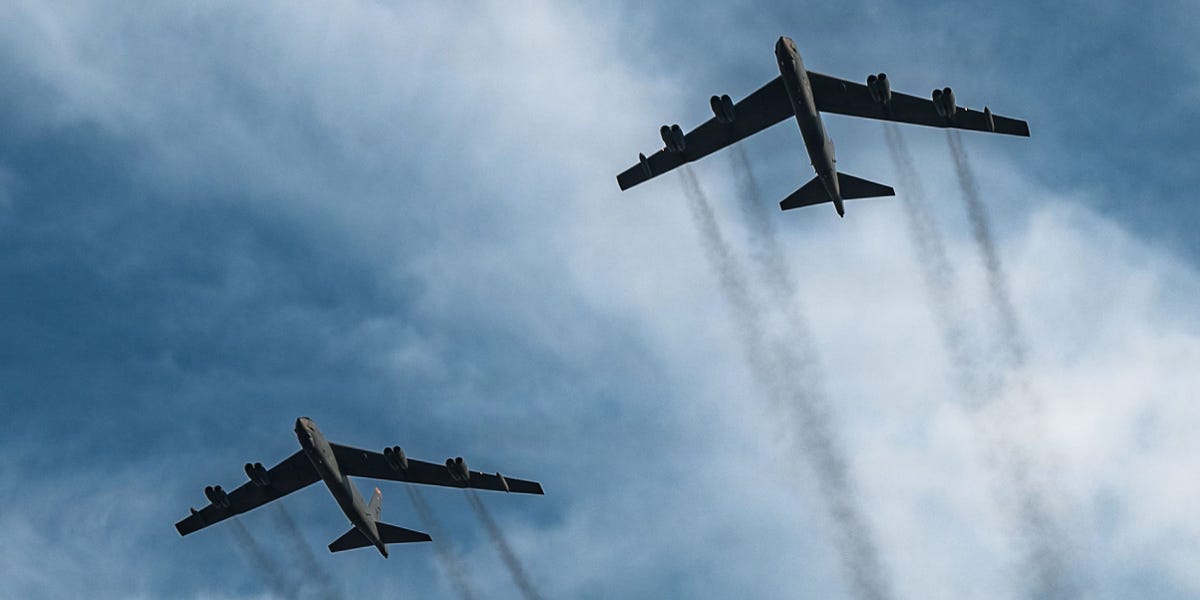
Ten of 13 B-52 upgrades face cost or schedule trouble. The engine replacement alone is up roughly $3 billion and 15 months late, with production risk ahead.
The Government Accountability Office said last week that the Air Force's program to modernize the 70-year-old B-52 Stratofortress is running billions over budget.
Cost on the Commercial Engine Replacement Program, the most expensive piece of the upgrade package, has risen by roughly $3 billion since 2023. The initial operational date has slipped more than 15 months. The GAO said the engine work "will likely continue to face significant challenges as the Air Force plans to begin production with little to no developmental flight testing."
Ten of the 13 B-52 upgrades are experiencing cost growth or schedule slips; some also face performance problems. Other work in the package covers new radars, communications gear, training devices, and advanced targeting displays. The bombers are also being fitted to carry the AGM-181 Long-Range Standoff weapon, a nuclear-armed cruise missile still in development.
GAO also faulted the Air Force's approach of running many of these upgrades at once. Because the service is working on several programs on the same airframes, work on one can interfere with work that another already completed. "Work on one program may involve moving hardware on the aircraft that relates to work to be completed by other modernization programs," the report said.
The report makes six recommendations, including delaying the engine production decision until the program office has analyzed the recent cost growth and schedule delays and weighed the risks and benefits of starting production. Earlier GAO reviews raised similar concerns.
Air Force leaders have stayed behind the program. Vice Adm. Richard Correll, then the Trump administration's nominee to lead U.S. Strategic Command, told Congress last year that the upgrades were "essential" to ensuring the bombers can fulfill their intended role in strategic deterrence. Correll said the Rolls-Royce engines and new radar technologies would turn the B-52 into "a new airplane."
The modernization work is happening while the bomber remains on combat duty. In March, one month into the war with Iran, Air Force Gen. Dan Caine, chairman of the Joint Chiefs of Staff, said the service had started the first overland B-52 missions of the conflict. "Over the past 30 days, we've struck more than 11,000 targets," Caine said. "Given the increase in air superiority, we've successfully started to conduct the first overland B-52 missions, which allow us to continue to get on top of the enemy." The strikes were part of the same campaign that pushed oil above $100 a barrel.
Defense experts and lawmakers have warned that America's fleet of air assets is shrinking and aging at an accelerating pace.
The Air Force plans to keep the B-52 in service into the 2050s.
Drafted by a large language model from the source reporting linked above, then screened by automated publishing checks. It is not read by a journalist before publication. Some articles cite our Alpha Score. Verify prices and figures against the original source. Educational coverage, not personalized advice.