Stocks● Neutral
Azul Emerges From Chapter 11, Returns to NYSE Main Board
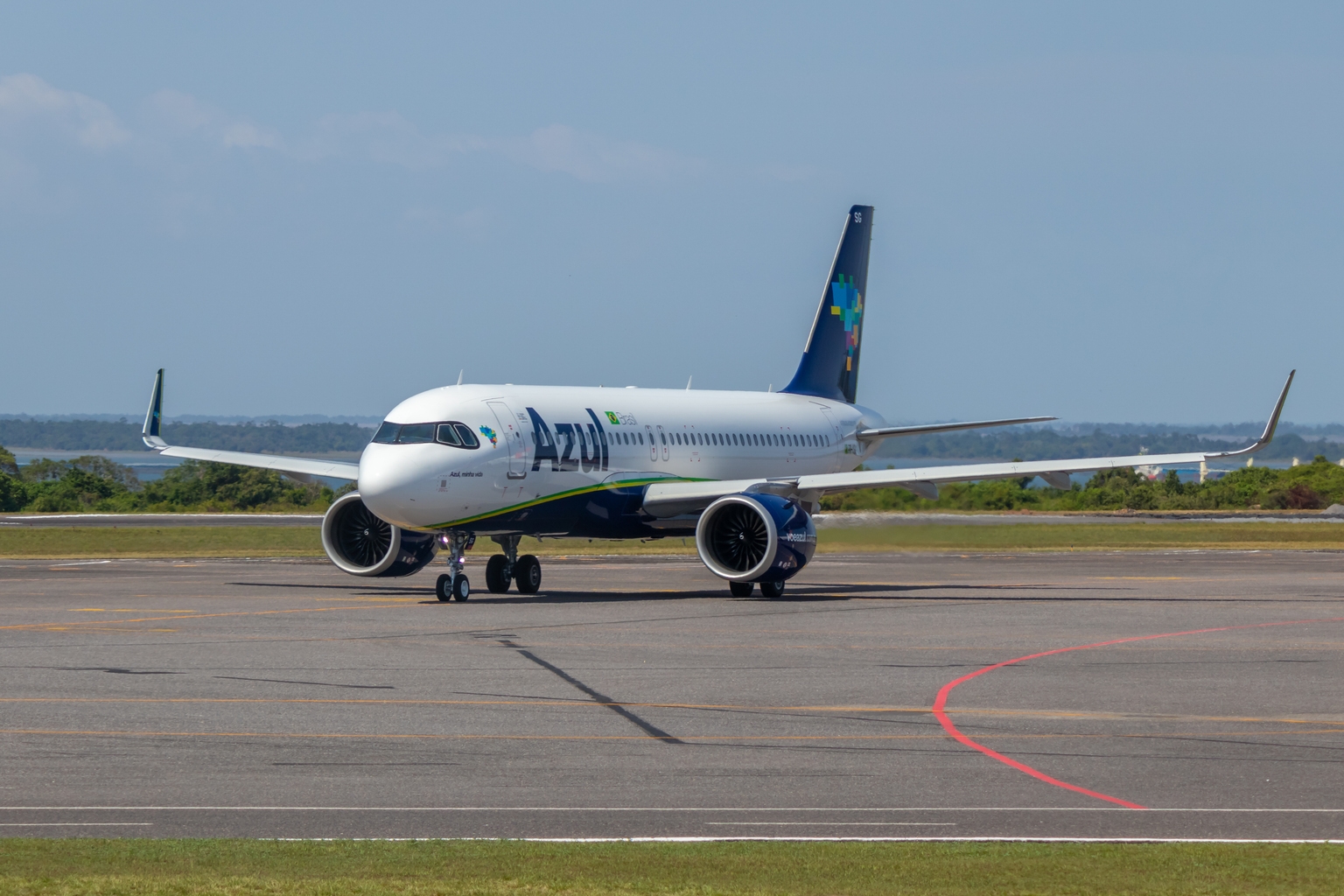
Azul returned to the NYSE main board after Chapter 11, cutting debt 40% and securing $800M in new financing. The stock trades at a 24% EBITDA discount to LATAM with 4.8x net leverage.
Continue with
Azul (AZUL) returned to the NYSE main board on July 6 after trading on the NYSE American during its Chapter 11 restructuring. The Brazilian airline emerged from bankruptcy protection with a leaner cost structure and renegotiated aircraft leases.
The company cut debt by roughly 40% during the process, according to court filings. Azul also secured new financing commitments totaling $800 million from existing creditors and a group of asset managers.
Azul's domestic market share in Brazil sits at about 30%, behind only LATAM. The carrier benefits from a fragmented airport network and limited competition on many of its routes. Domestic air travel demand in Brazil rose 6% year-over-year in the first quarter, the country's aviation regulator reported.