Provisioning Dynamics and Margin Pressure
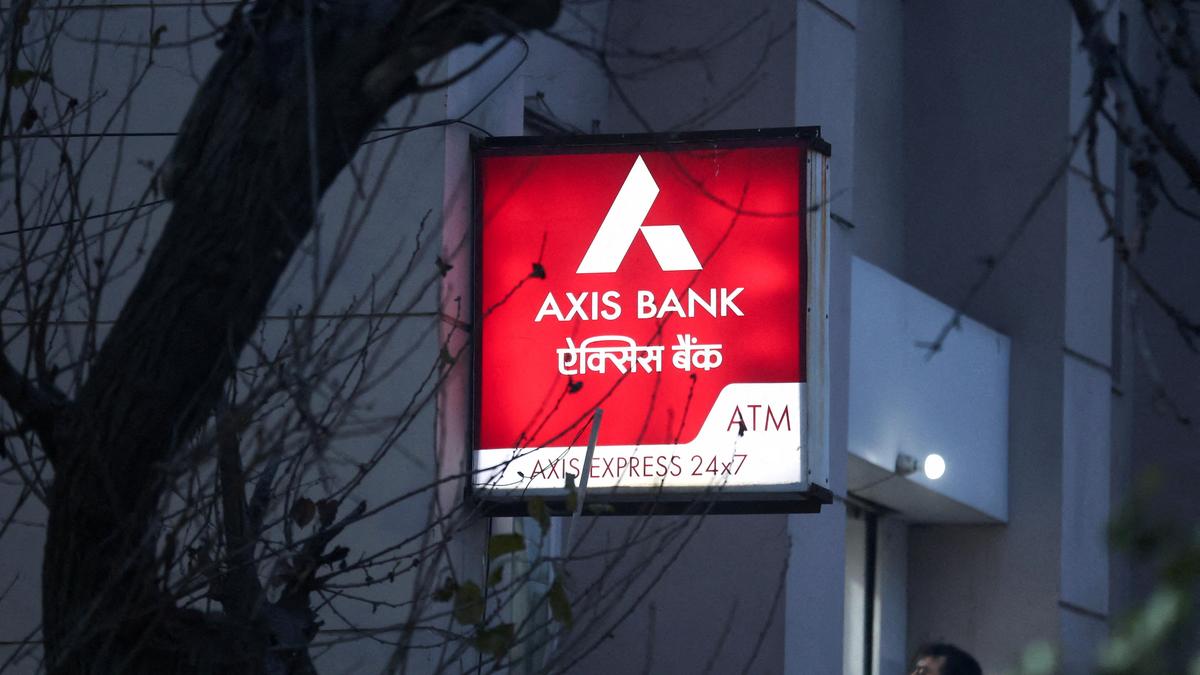
Axis Bank reported a marginal decline in net profit for the fourth quarter, with the figure settling at ₹7,071 crore. This contraction arrives as the bank navigates a period of macroeconomic uncertainty, forcing a strategic shift toward strengthening its balance sheet through increased provisioning. By prioritizing capital stability, the institution has opted to absorb higher costs rather than pursue aggressive short-term earnings growth.
The decision to bolster provisions suggests a cautious outlook regarding asset quality in the current interest rate environment. While the bank maintains its core operational footprint, the immediate impact on the bottom line highlights the trade-off between aggressive lending and risk mitigation. Investors are now evaluating whether these additional buffers will suffice to insulate the bank against potential volatility in the coming fiscal year.
Sectoral Read-Through and Capital Allocation
Financial institutions across the sector are currently balancing the need for credit expansion with the reality of tighter liquidity conditions. Axis Bank is not alone in adjusting its provisioning strategy to account for broader economic headwinds. This move aligns with a wider trend of banks prioritizing long-term solvency over immediate profit maximization, a shift that is reshaping expectations for the financial sector.
For those tracking the broader stock market analysis, the performance of major lenders like Axis Bank serves as a barometer for domestic credit health. The bank's ability to manage its net interest margins while simultaneously increasing its reserve requirements will be the primary metric for assessing its operational efficiency in the next quarter. The following factors remain critical to the bank's near-term trajectory:
- The sustainability of current provisioning levels against potential loan slippages.
- The impact of macroeconomic shifts on retail and corporate credit demand.
- The bank's capacity to maintain capital adequacy ratios without further impacting net earnings.
AlphaScala Data and Outlook
When comparing institutional performance, AlphaScala data provides a lens into how different entities manage these systemic pressures. For instance, The Allstate Corporation currently holds an Alpha Score of 70/100, categorized as Moderate, which contrasts with the more volatile sentiment often seen in technology-heavy portfolios like those tracking NET stock page at 33/100. While the sectors differ, the underlying theme of capital preservation remains a constant across all financial and service-oriented assets.
The next concrete marker for Axis Bank will be the management commentary regarding the anticipated duration of these elevated provisions. Stakeholders should look for the subsequent quarterly filing to determine if the current profit dip represents a temporary adjustment or a sustained shift in the bank's risk appetite. Any change in the credit cost guidance will be the definitive signal for how the bank intends to balance growth and stability throughout the remainder of the fiscal year.