The Caribbean draws millions of visitors each year with its warm weather, white-sand beaches, and water sports. But first-time travelers often make the same errors, from poor timing to skipping local food. Those who plan ahead can avoid the pitfalls and get more out of the trip.
Timing matters. The Caribbean has a hurricane season from June to November. Some islands, including Aruba, Bonaire, and Curaçao, sit outside the hurricane belt and stay relatively safe. The summer low season brings lower hotel rates. It also brings higher temperatures and afternoon rain showers. The peak season runs through the winter months. Hotel rates are premium then, and rooms sell out quickly. Visitors who book well in advance can still enjoy a New Year's Eve on the beach, but the cost is higher.
Accommodation choices also trip up first-timers. All-inclusive resorts are convenient for families with small children or large groups. But solo travelers, couples, and families with older kids often get a better experience from smaller boutique hotels. One traveler visited Puerto Rico and stayed in a charming one-bedroom apartment in Old San Juan, a short taxi ride from the beach. Each day they explored the old city, and each night they chose a new restaurant. That kind of freedom does not come from a large resort.
Even guests who choose a resort often make the mistake of never leaving the property. A better approach is to book one or two excursions. A day trip in Jamaica might include floating down the Martha Brae River and climbing Dunn's River Falls. Visitors unsure of what activities are available can check reputable tours online or ask the hotel's concierge. Standard safety precautions apply, but the adventure is worth it.
Another common misconception is that all Caribbean islands look the same. The geography varies widely. Volcanic islands like St. Lucia and Dominica have black-sand beaches. Turks and Caicos and the Bahamas feature flat terrains and deep cave systems. Antigua and St. Croix have rolling hills ideal for long hikes. In Aruba, visitors can relax on white-sand beaches or explore the towering cactus plants, sand dunes, and rocky pools in Arikok National Park. Knowing the island's character helps travelers pick the right destination.
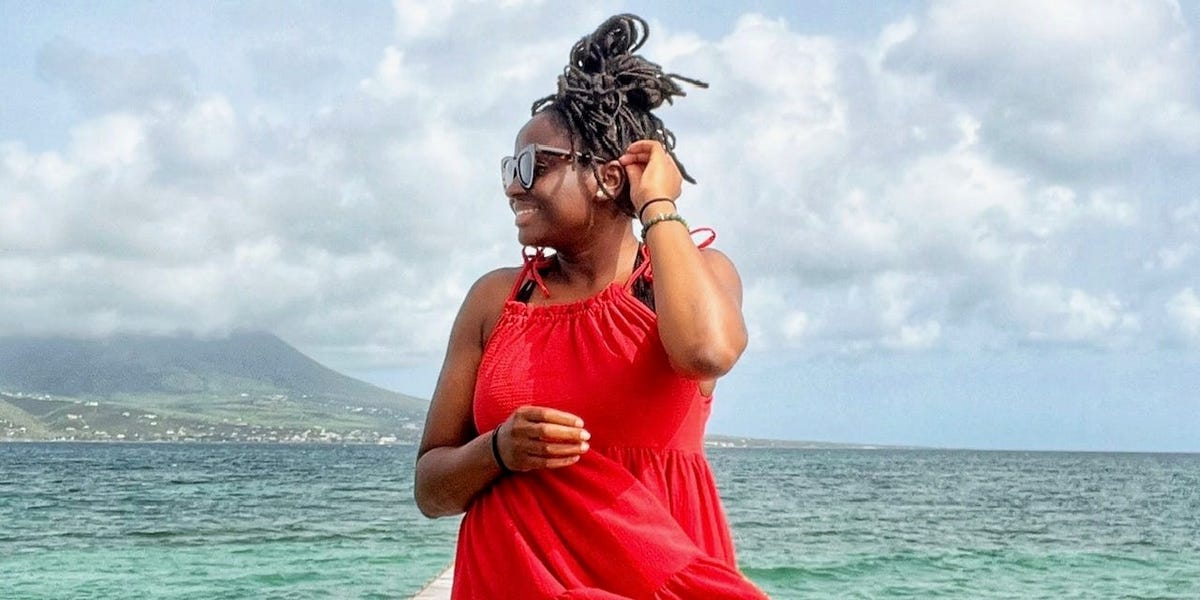
Island hopping does not have to be expensive. Several locations have convenient and affordable ferries. A ferry from St. Kitts to neighboring Nevis allows visitors to dip in the hot springs or visit the botanical gardens. Setting aside a day to check out a nearby island can add variety to the trip.
Pace is another issue. Life in the Caribbean moves slower than what many visitors expect. Leaving time between activities and embracing flexibility makes for a smoother trip. One traveler in Barbados hired a driver to visit Bathsheba, a rocky beach on the east coast. On the way back, the tour guide recommended a popular beachside restaurant that was not on the itinerary. The traveler ended up staying for hours, ordering food and drinks, and walking along the beach. That kind of discovery disappears when the schedule is too tight.
Local cuisine is a major part of the experience. Each island's food reflects its history and culture. In Puerto Rico, one traveler made a point to eat mofongo, an African-influenced dish made from fried plantain. In Grenada, they tried oil down, a meat and vegetable stew. On a trip to Curaçao, a group stopped at a local restaurant that had come highly recommended for its goat burgers. The dish was unfamiliar, but it became one of the most memorable meals of the trip. Skipping local food means missing out on the island's character.