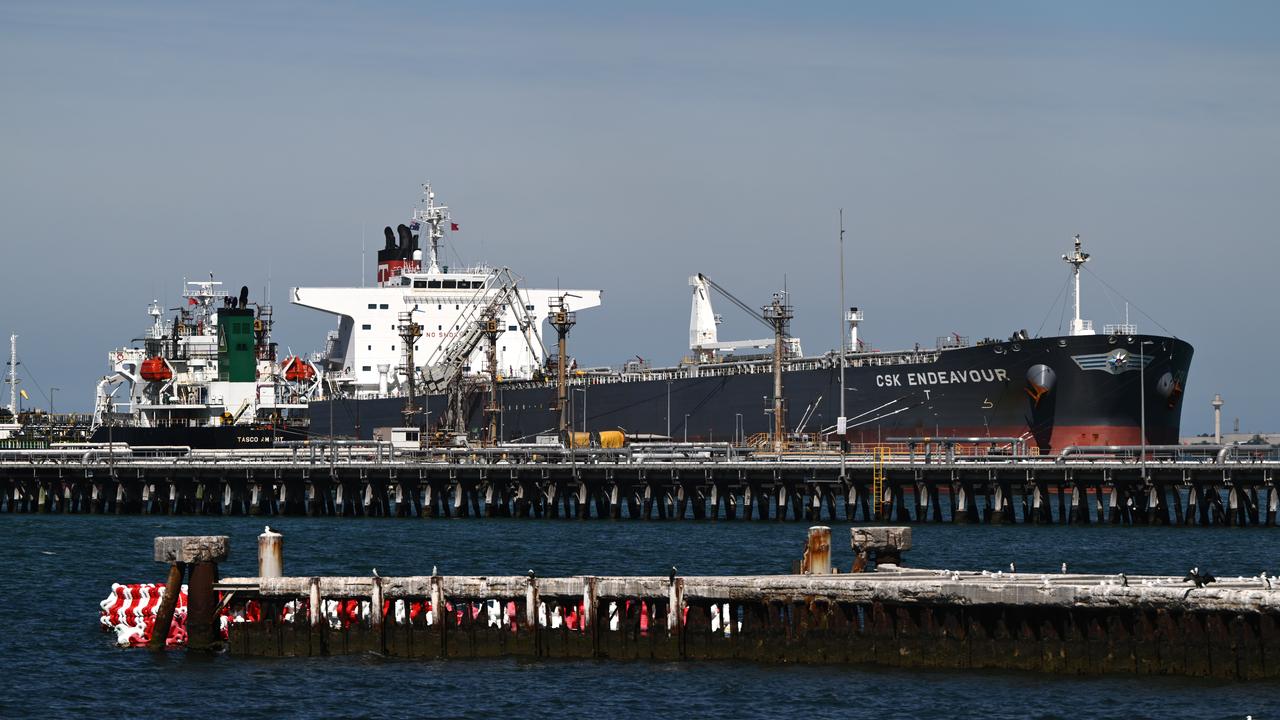
The S&P/ASX 200 jumped to an eight-week high on Monday as news of a US-Iran truce triggered a sharp slide in oil prices. The benchmark rose 0.8% by midday Sydney time, with energy and consumer stocks leading the advance. Crude fell more than 5% in early trade, its biggest intraday drop in months, after the two governments announced a ceasefire that could end weeks of tension in the Persian Gulf.
The peace deal removes a key risk premium that had built into energy markets since early January. Iranian tanker traffic through the Strait of Hormuz had been disrupted by US naval patrols, raising the spectre of supply curbs. The truce opens the waterway to normal transit, traders said, and caps the near-term threat of a broader conflict that would have driven oil toward $100 a barrel.
For Australia, the relief is twofold. The country imports roughly 30% of its crude and refined products, meaning lower oil prices directly cut fuel costs for businesses and households. That flows through to inflation expectations, which had been sticky because of elevated energy expenses. A sustained drop in oil also strengthens the case for the Reserve Bank to start cutting rates later this year, even if the next move is still a hold.
Rate-sensitive sectors responded first. Retailers and transport names saw the biggest gains alongside the broader market. Energy stocks were more mixed – Woodside and Santos recovered from early weakness as the initial shock of lower crude gave way to relief that a military escalation had been averted. The truce removes a source of uncertainty that had weighed on the sector's capital expenditure plans, one Sydney-based analyst said.
Mining stocks also gained, partly on a weaker US dollar after the news. The greenback slipped as safe-haven flows reversed, lifting commodity prices across copper and iron ore. That added a second layer of support for Australia's resources-heavy index.
What happens next depends on the durability of the truce. No formal text has been released, and both sides have described the agreement as a first step. If the ceasefire holds through the week, oil could test the $75 support level in Brent, a level not seen since early January. A breakdown would reverse the move and snap the ASX's rally just as quickly.
The day's session saw above-average volumes, indicating conviction behind the positioning shift. Short covering in beaten-down consumer names added momentum. Whether that carry over to Tuesday depends on oil's open and any further statements from Tehran or Washington.
The Strait of Hormuz is the world's most critical oil chokepoint, handling about a fifth of global supply. Read more on how oil prices drive the Australian market here.