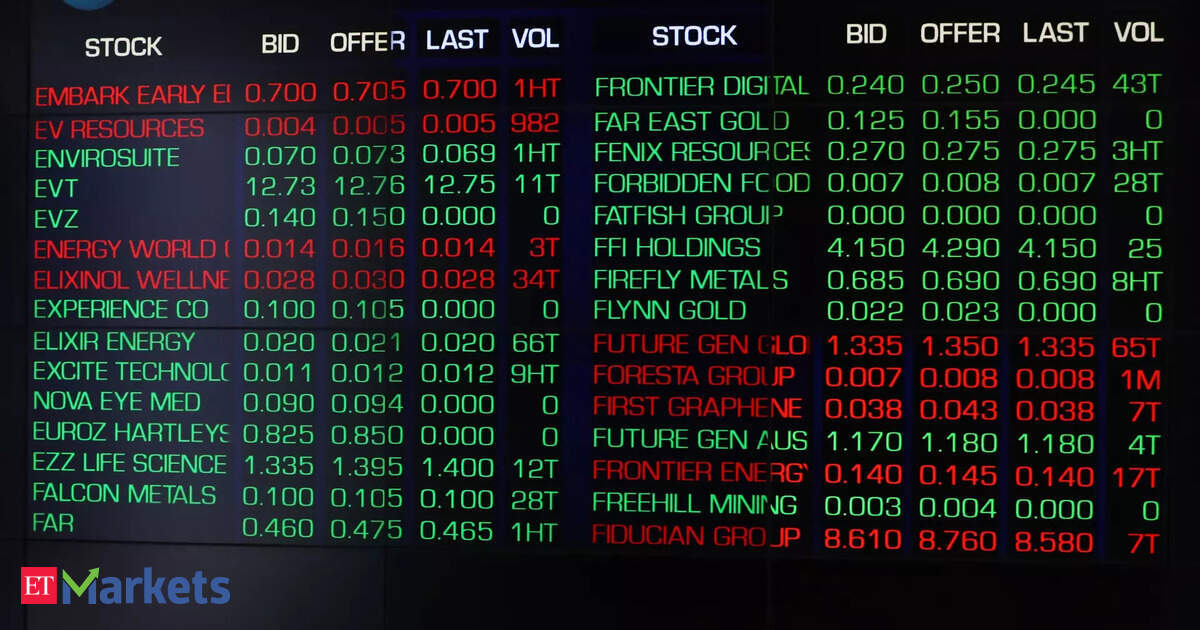
The ASX 200 closed 0.6% higher after a ceasefire between Iran and a regional rival calmed supply fears. Crude pulled back, gold faded. The focus now shifts to China PMI and US jobs data.
Australian shares closed higher on Monday, with the S&P/ASX 200 gaining 0.6%. Energy and mining stocks led the advance after a ceasefire between Iran and a regional rival eased fears of an immediate supply disruption in the Middle East.
Brent crude settled near $78 a barrel, down from last week's spike above $80. Traders had priced out the short-term premium for a Strait of Hormuz closure. That premium was thin from the start. The bigger story sits on the demand side.
Retail fuel prices in Australia have not followed crude lower. The Australian Competition and Consumer Commission tracks a 1-2 week delay between wholesale moves and bowser changes. Relief at the pump will take time.
Gold took a different path. Spot gold traded near $2,310, paring its weekly gain. The safe-haven bid that pushed prices above $2,450 in early June had faded. Some commodity analysts said the pullback reflected a rotation out of geopolitical hedges. Structural buyers, central banks in China and India, have not disappeared. The Reserve Bank of India added 12 tonnes of gold in April, extending a multiyear accumulation pattern.
The real test for both crude and gold lies in the macro data due this week. China's Caixin manufacturing PMI for May is out Wednesday. A print below 50 would reinforce fears that industrial demand is softening, weighing on crude and industrial metals. A beat would shift attention back to supply tightness in refined products, especially diesel and jet fuel. Global inventories for those products are running below the five-year average.
For gold, the U.S. jobs report on Friday carries more weight than the ceasefire. A strong payrolls number would push the dollar higher and delay rate-cut expectations, pressuring gold further. A weak print would revive the bull case. Gold has moved inversely to the Bloomberg Dollar Spot Index with a rolling 30-day correlation of -0.7 since the start of the year. The gold profile tracks these relationships.
The market's next decision point on crude is technical. Brent has support at $76.50, the 100-day moving average. A break below that level would open the door to $74, a zone where OPEC+ rhetoric typically stiffens. The group's next ministerial meeting is scheduled for June 2. Producers have signaled they can extend or deepen cuts if demand falters. That threat has kept the contango in Brent's nearby futures relatively flat, a sign the market is pricing a floor. For more on crude's positioning, see the crude oil profile.
The Iran truce removes one variable from the commodity risk matrix. The demand picture and the dollar direction remain unresolved. The next 48 hours of data will tell traders whether the ceasefire is a genuine turning point or just a pause in a longer trend. Underlying mechanics – pass-through lags in fuel and central bank buying in gold – have not changed. OPEC+ supply discipline remains in place.
Prepared with AlphaScala editorial tooling from the source reporting linked above. Indexable analysis may include a cited Alpha Score value. Publishing checks screen each story before release. Educational coverage, not personalized advice.