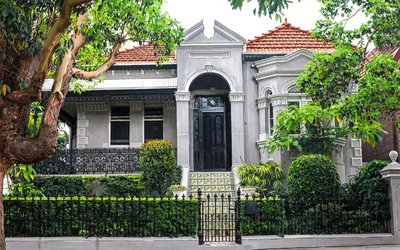
National house prices fell 0.4% in the latest month, with Sydney down 1.2% and Melbourne 1%. Rents rose. The market is cooling, not crashing, despite dire predictions.
National house prices fell 0.4% in the latest month, CoreLogic data shows. Sydney dropped 1.2%. Melbourne fell 1%. Brisbane and Perth posted small gains.
Those numbers are a far cry from the 10% or greater collapse some headlines predict. A mild pullback after a long run of above-inflation growth is normal, not a crisis. Since the capital gains tax cut in 2000, house prices have risen five-fold. The average home gained about $70,000 a year over the past five years. Some properties earned more than their owners, tax-free.
That pace was never sustainable. If prices keep rising faster than wages, the buyer pool shrinks to the already wealthy and those with access to the bank of mum and dad. The rest face mortgage stress or rental pressure.
The rental market tells part of the story. Secondary property ownership – houses bought as investments – expanded to 3.2 million properties in 2022, a 43% increase from 2006. Landlords competing with owner-occupiers drove prices higher. The government's changes to negative gearing and capital gains tax are designed to slow that dynamic, not crash the market.
Interest rates are another factor. High inflation and global uncertainty, including the Iran war, have pushed rates up. That typically cools housing demand. The national data shows only a 0.4% dip. That is a pause, not a rout.
Some sellers are still getting strong prices. Others are finding buyers scarce. That has always been the case. The shift is real but small. House prices have climbed from about 4.5 times average wages in the 1970s to nearly 14 times now. A full reversal of that ratio is unlikely. A modest cooling is not a national disaster.
Drafted by a large language model from the source reporting linked above, then screened by automated publishing checks. It is not read by a journalist before publication. Some articles cite our Alpha Score. Verify prices and figures against the original source. Educational coverage, not personalized advice.